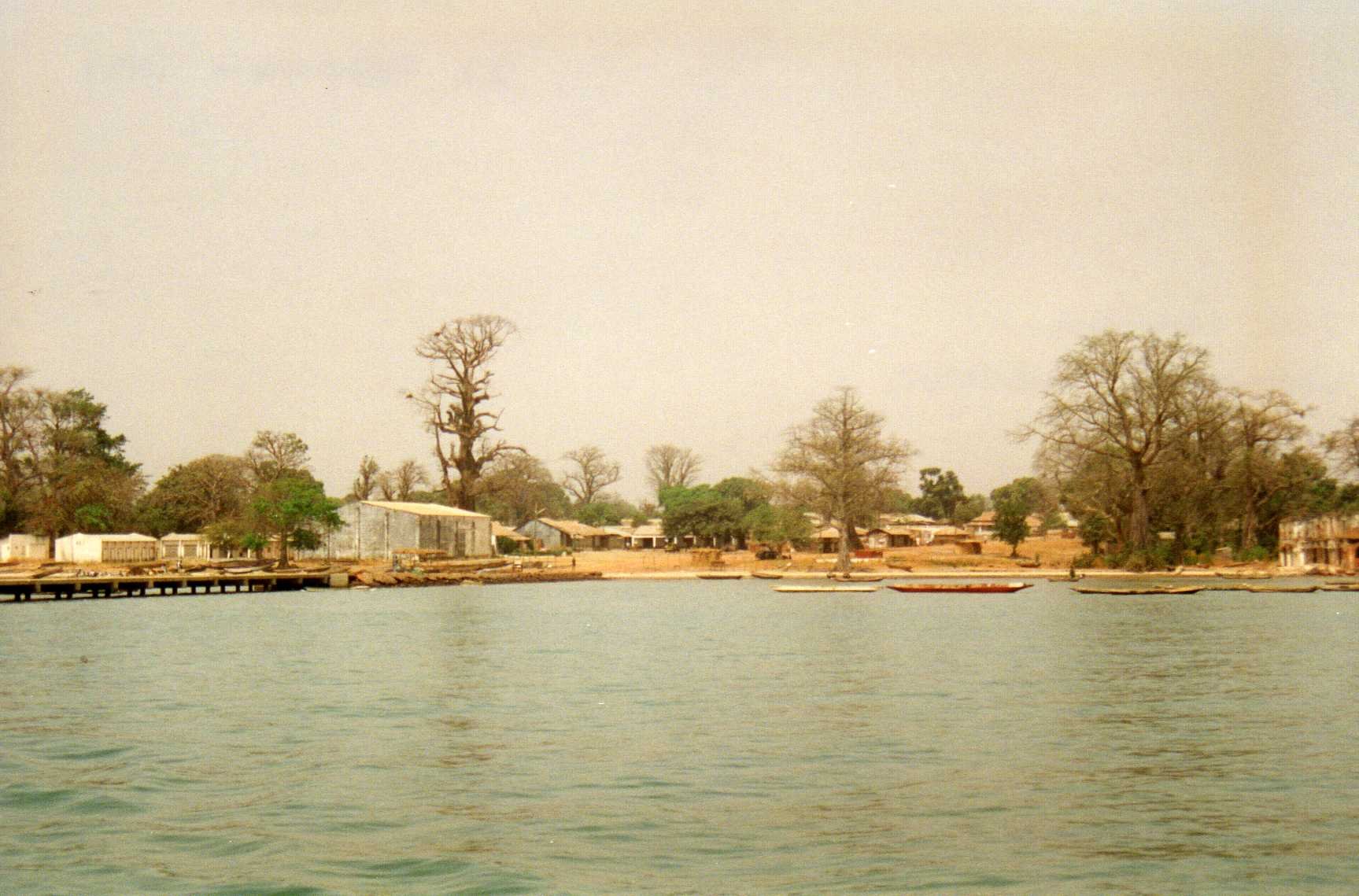
The Gambia is Africa's smallest mainland country, a slender ribbon of land following the Gambia River for 450 kilometres inland from the Atlantic coast, entirely surrounded by Senegal. It is known as the Smiling Coast, and the nickname is earned -- Gambians are genuinely, disarmingly friendly.
Most visitors come for the beaches and the birds. The Atlantic coast around Banjul and Bakau offers reliable winter sun just six hours from Europe, with wide sandy beaches and a relaxed pace. But the real draw for many is the birdlife: over 540 species have been recorded here, making this one of the best birdwatching destinations in West Africa, especially for beginners. You can see 200 species in a week without trying very hard.
Beyond the coast, the Gambia River defines everything. Upstream, the country becomes quieter and wilder. River cruises pass through mangrove creeks, past hippos and crocodiles, to places like Juffure, the village made famous by Alex Haley's novel Roots, and Kunta Kinteh Island (formerly James Island), a UNESCO World Heritage Site that was a key holding point in the transatlantic slave trade.
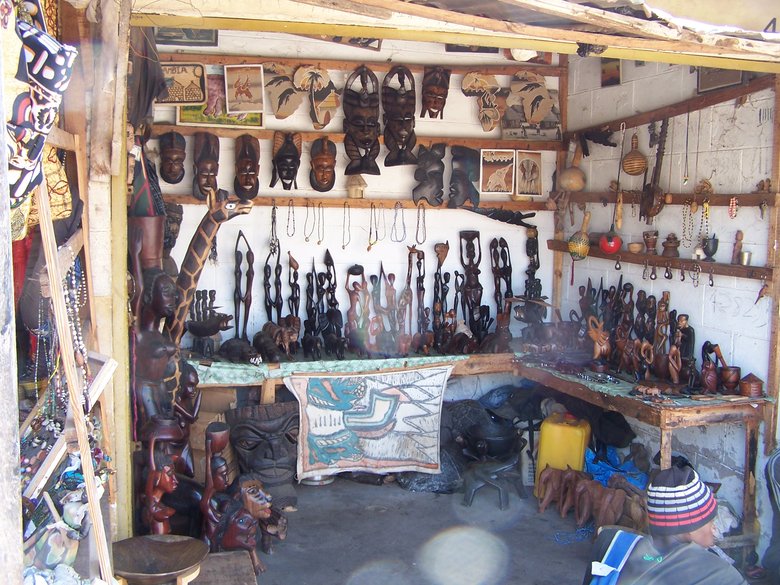
The Gambia is poor and the infrastructure reflects that. Roads upcountry are rough, power cuts are common, and the healthcare system is basic. But the country is compact, generally safe, and English-speaking, which makes it one of the most accessible introductions to West Africa. The people, the music, the markets, the food -- it all comes with a warmth that is hard to find elsewhere.
The tourist season runs from November to April, when the weather is dry and the migratory birds are in residence. Outside these months, the rains make travel more difficult and many tourist facilities close.