Sapo National Park
©
Sapo National Park

Sapo National Park

Liberia's only national park, protecting primary lowland rainforest in the Upper Guinean Forest hotspot.

Africa > Liberia > Sapo National Park

Sapo is Liberia's only national park and the largest contiguous block of primary lowland rainforest in West Africa — roughly 1,800 km² of dense forest in the country's southeastern interior, in Sinoe County. It is one of the last intact pieces of the Upper Guinean Forest hotspot, a once-vast ecosystem that today survives only in fragments stretching from Guinea through Sierra Leone, Liberia, Côte d'Ivoire and into western Ghana.

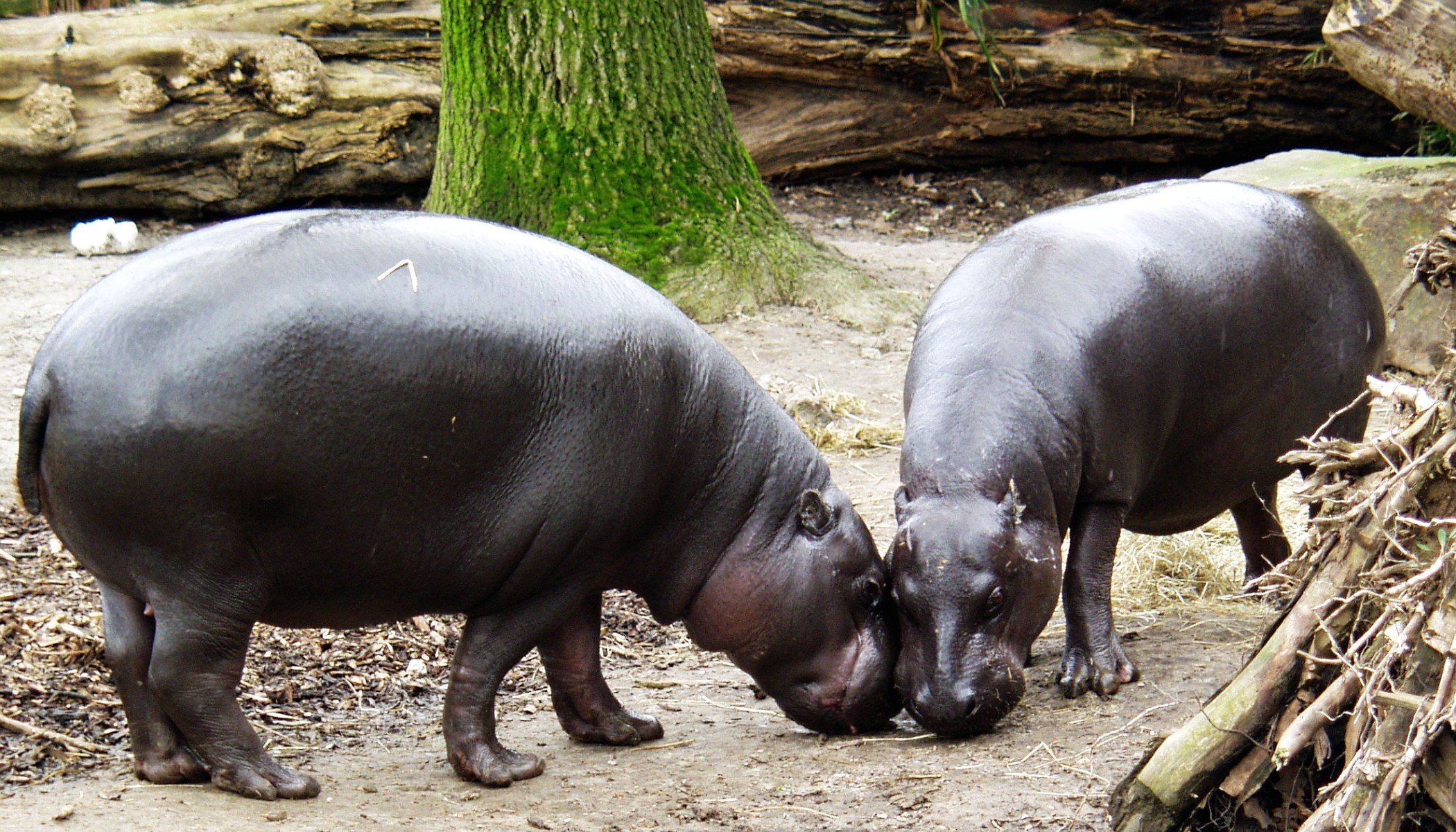
The roll call of wildlife in Sapo reads like a checklist of what survives of Upper Guinean West Africa: forest elephants, pygmy hippopotamus (one of the most reliable populations anywhere of this very rare species), chimpanzees, leopards, several species of duiker, the western African manatee in the rivers, Diana monkeys, red colobus, and a long list of forest birds including hornbills, the white-breasted guineafowl and the rufous fishing-owl. Over 125 mammals have been recorded in the park, along with more than 590 species of birds.

The park is wild and barely set up for tourism. Access is from Greenville and the small town of Juarzon on the park's edge — both expeditions in themselves from Monrovia. A permit and a guide must be arranged in advance through the Forestry Development Authority (FDA) and the Society for the Conservation of Nature in Liberia (SCNL). There are no lodges; visitors camp at basic stations and trek into the forest with rangers. The trekking is hard, hot and wet, and wildlife is mostly heard rather than seen — but the forest itself is reason enough to come.

Sapo also has a difficult recent history: illegal mining and large-scale unsanctioned settlements during and after the civil wars threatened large parts of the park, and rangers were periodically evicted by gold miners. The miners were finally cleared out in 2013 after a sustained government effort, and the FDA has been progressively rebuilding ranger infrastructure since. For now, the park is the country's best remaining wild place — and one of the most important conservation sites in West Africa.

Guide

Getting There

Sapo is genuinely remote. The standard approach is from Monrovia via Buchanan and Greenville — a journey of at least one (probably two) long days by 4x4, with the road south of Buchanan progressively deteriorating. From Greenville, it is several more hours of rough driving to Juarzon or Jalay's Town on the park edge.

In the rainy season (May–October) the route is often impassable and trekking inside the park is hard going. The best window for a visit is the drier months from December to March.

All visitors must have a permit and a guide arranged in advance. Contact the Forestry Development Authority (FDA) in Monrovia, or work through the Society for the Conservation of Nature in Liberia (SCNL) or an established eco-tour operator. Do not turn up unannounced.

Guide

Things to Do

Sapo is not a park for casual sightseeing — its appeal is the forest itself and the chance of encounters with pygmy hippopotamus, forest elephants, chimpanzees and the rich birdlife of the Upper Guinean rainforest. Treks of two to five days from the main ranger station at Jalay's Town are the standard way to see it. The Sinoe River and other forest watercourses are good spots for wildlife sightings and for an idea of how a really intact West African rainforest looks and sounds.

Guide

When to Go

The dry season — December through March — is the only realistic time to visit Sapo. River crossings are easier, the trails are passable, and wildlife concentrates around remaining water sources, which improves the (already slim) chance of sightings.

The rainy season runs from May through October, and at its peak (August–September) trekking inside the park becomes very difficult — game trails turn to mud, rivers run high and often unfordable, and the access roads to Greenville and Juarzon become impassable for ordinary vehicles. Even in the dry season expect afternoon showers and high humidity; this is equatorial rainforest, after all.