Africa > Madagascar
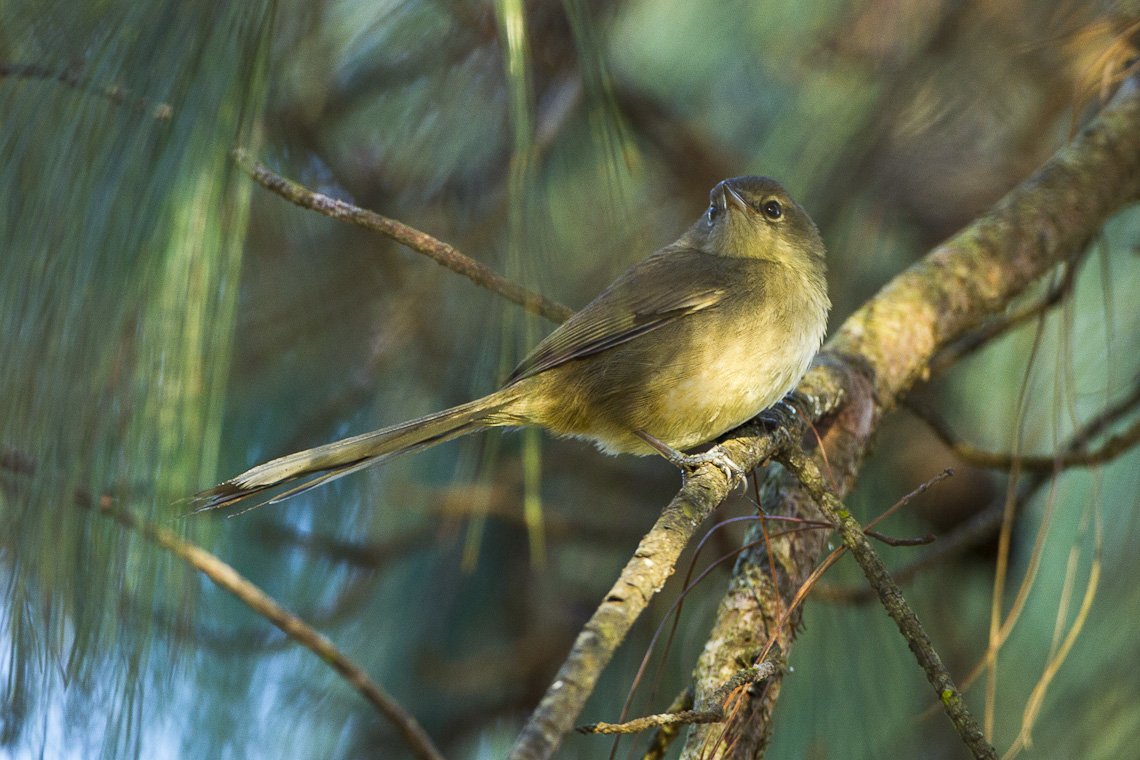
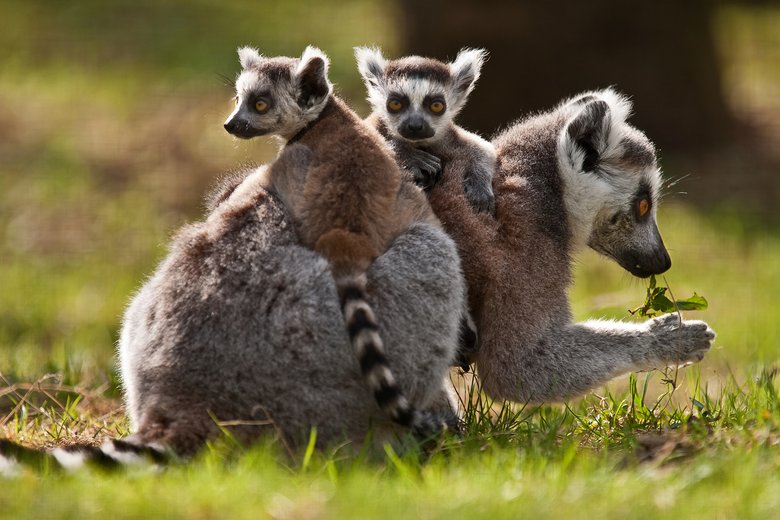
Madagascar is unlike anywhere else on earth. Separated from the African mainland roughly 88 million years ago, the island developed in isolation long enough for around 90 percent of its wildlife to evolve into forms found nowhere else — including dozens of lemur species, hundreds of endemic birds, and plants that look like they belong on another planet. For a traveler who cares about nature, it is one of the most extraordinary destinations in the world.
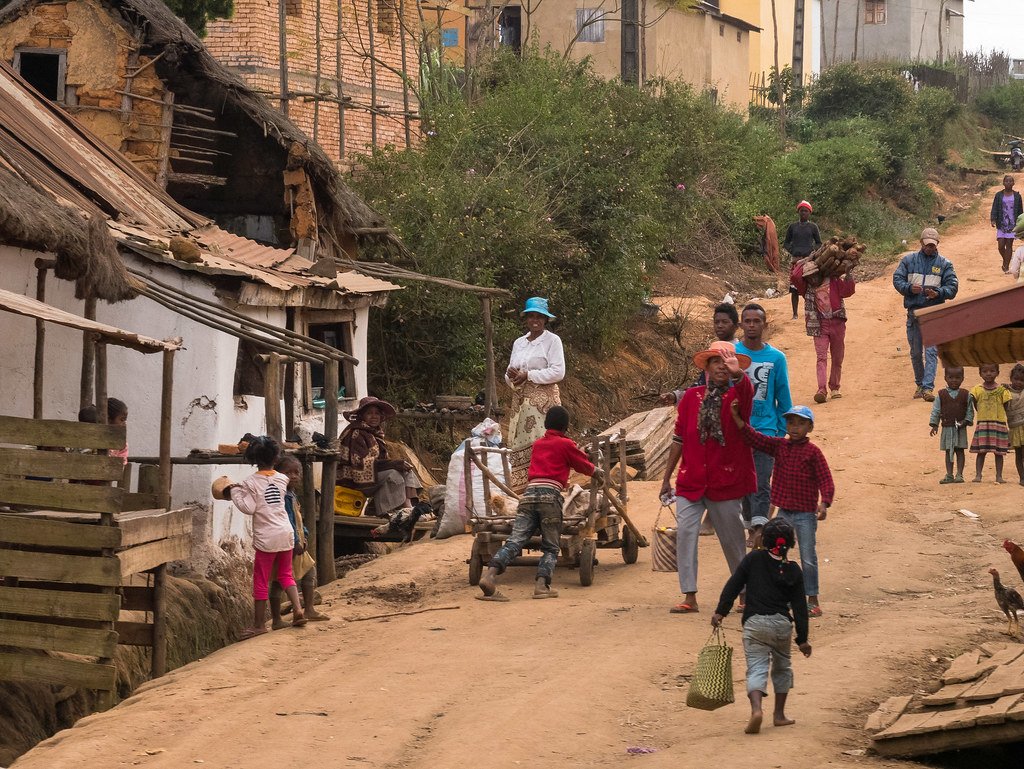
The country is also genuinely poor and difficult to get around. Roads are rough, travel times are long, and infrastructure outside the capital is thin. That is partly what keeps the crowds away — Madagascar receives only a few hundred thousand tourists a year. If you come expecting comfort and efficiency, you will be frustrated. If you come prepared to move slowly and improvise, you will be rewarded.
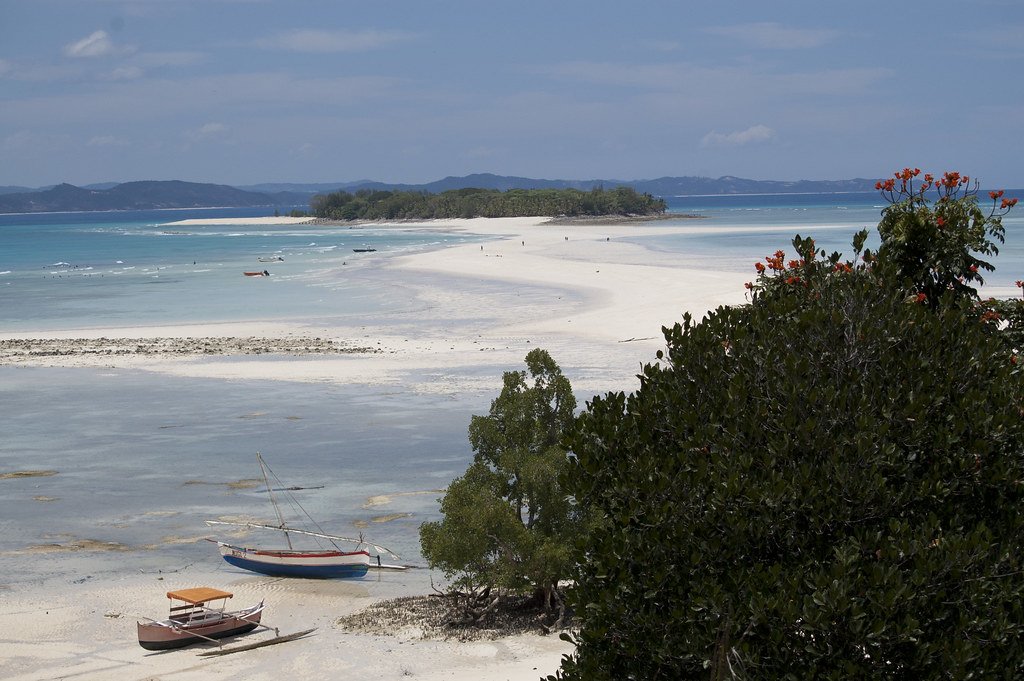
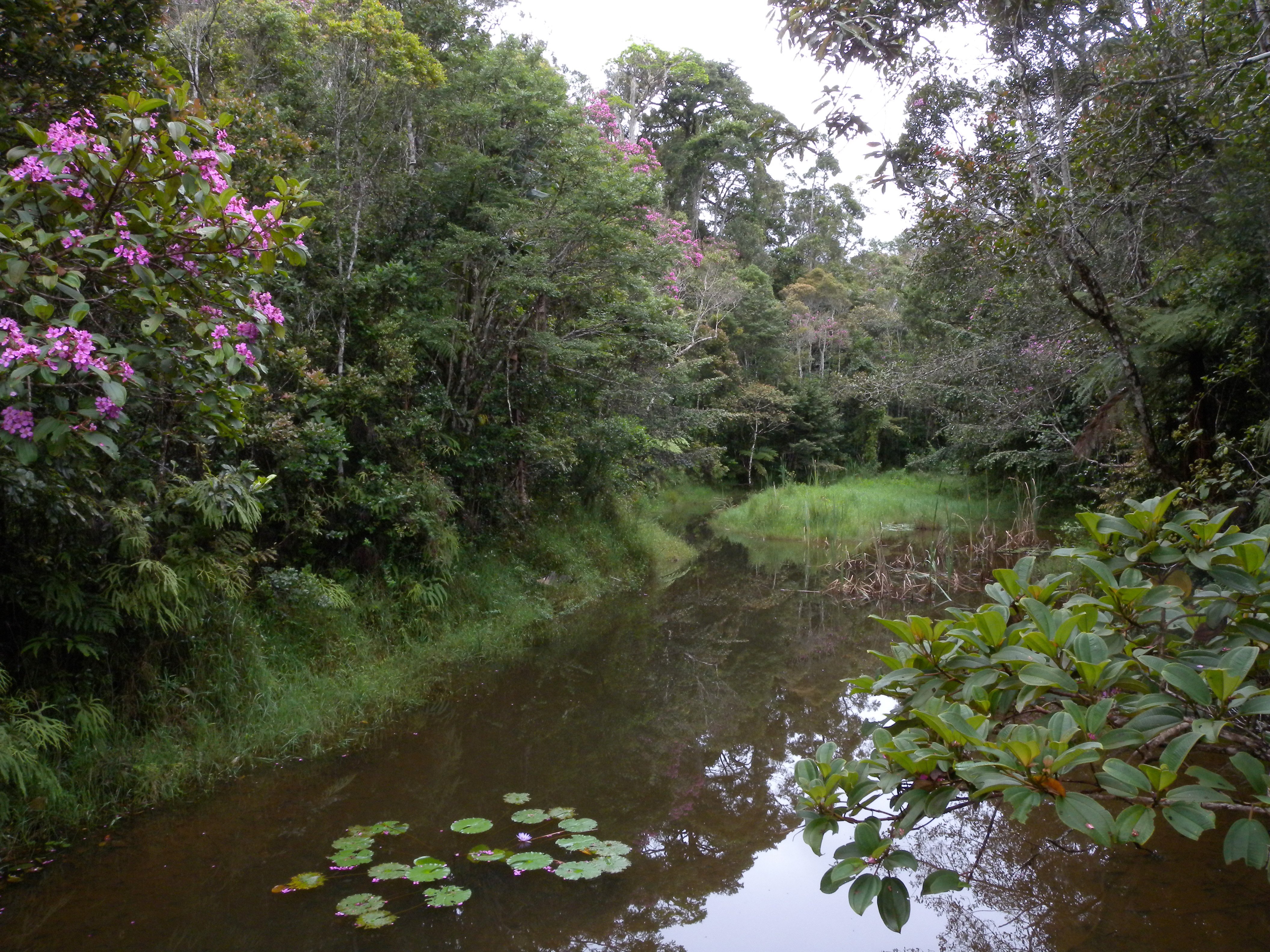
The island stretches over 1,600 km from north to south, encompassing radically different landscapes: the humid rainforests of the east coast, the high central plateau with its rice terraces and eroded red hills, the semi-arid spiny forests of the south, and the mangrove-fringed channels of the west. Each region has its own climate, wildlife, and ethnic character.
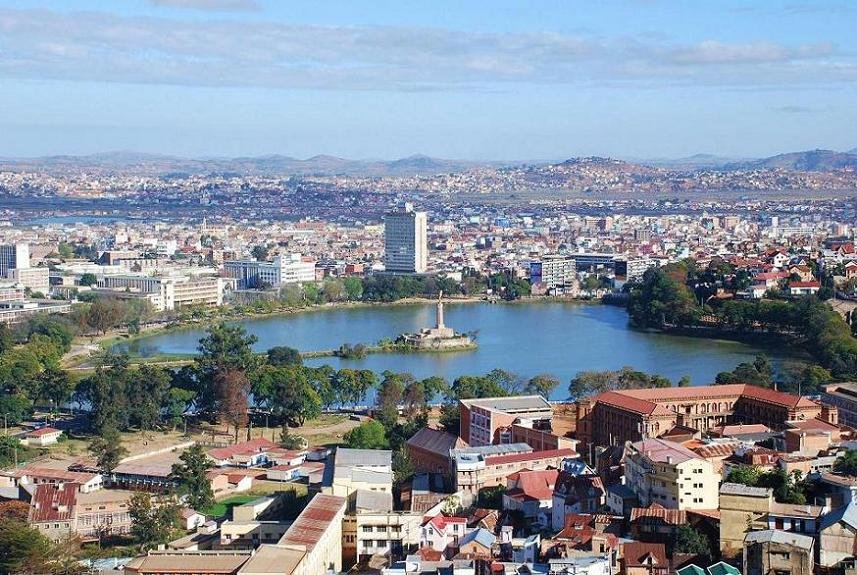
Most visitors enter through Antananarivo (universally called Tana), the highland capital. The classic route south along RN7 passes through Antsirabe, Fianarantsoa, and the spectacular Isalo National Park before reaching the coast at Tulear. The northwest island of Nosy Be is the main beach destination. Toamasina (Tamatave) is the main port on the east coast, with access to Île Sainte-Marie and the Ivoloina nature reserve nearby.
Destinations
- Antananarivo — the capital, the starting point
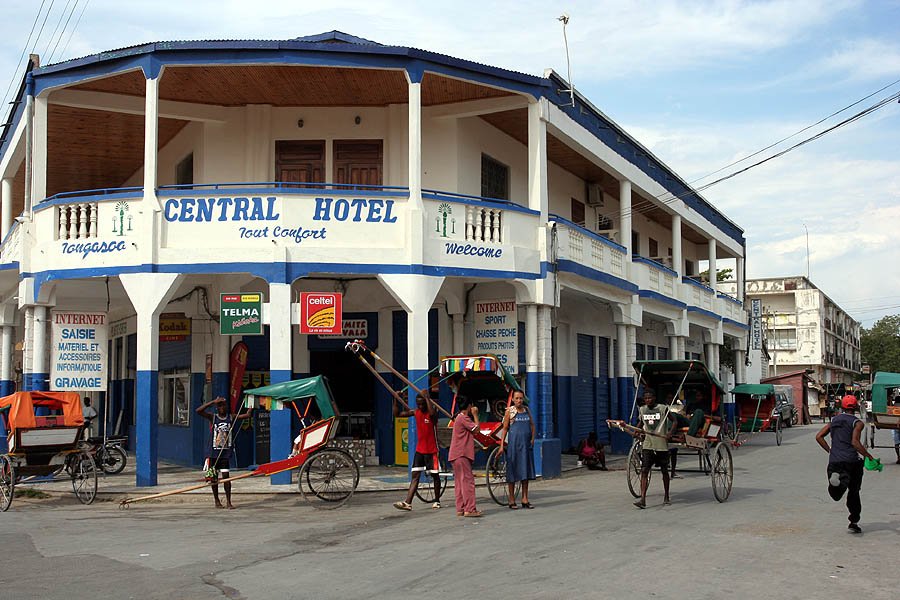
- Antsirabe — highland town famous for its pousse-pousse and thermal springs
- Fianarantsoa — highland city, gateway to Ranomafana National Park and the scenic east-coast railway
- Isalo — dramatic sandstone canyon national park
- Nosy Be — Madagascar's main beach and diving island
- Toamasina — the main east-coast port
- Morondava — base for the famous Avenue of the Baobabs
- Mahajanga — northwestern port city with a different, drier character
- Anakao — fishing village south of Tulear, excellent snorkeling
- Ambohimanga — UNESCO-listed royal hill fortress outside Tana