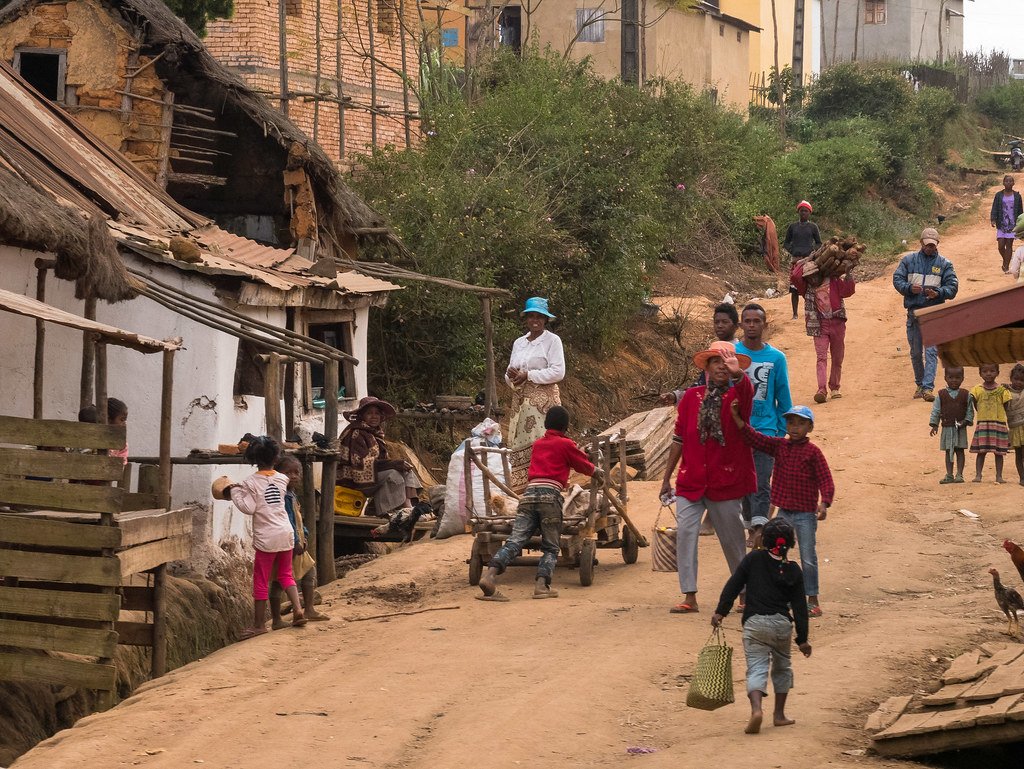
Hilly Malagasy highland city and starting point for the scenic narrow-gauge train to Manakara.
Fianarantsoa is the largest town in the southern highlands of Madagascar and the capital of the province of the same name. Like all of Madagascar's highland towns it is steeply hilly, built across ridges that rise sharply from the surrounding plateau — so be prepared for some serious climbs.
Most visitors arrive at the busy taxi-brousse station on Rue MDRM, a dusty, animated place where minibuses depart in every direction. From here the upper town rises in tiers, with the old quarter sitting at the top and a wonderfully chaotic market filling the slopes between. The town rewards wandering: the upper streets are lined with colonial-era houses, the ruined Old Rova fortress crowns the summit, and the views across the valley are impressive even from mid-town.
Fianarantsoa is also the starting point for one of Madagascar's great journeys — the narrow-gauge train to Manakara on the east coast. The line winds through spectacular mountain scenery and stops at every village along the way, taking the better part of a day if it runs on time (which it often does not, which is half the fun). It is easily one of the most scenic rail trips in Africa.
Ranomafana National Park is about 60 km to the northwest and makes an excellent day trip or overnight excursion: dense rainforest, hot springs, and some of Madagascar's most accessible lemur viewing.
Guide
Getting There
Fianarantsoa sits on Route Nationale 7, roughly 400 km south of Antananarivo, making it a natural stop on any overland journey down the spine of Madagascar. Taxis-brousse (shared minibuses) connect it to Tana, Antsirabe, Ambalavao, and points further south; they all depart from the busy station on Rue MDRM.
The other way in — or out — is the narrow-gauge train to Manakara on the east coast. The FCE railway winds through mountain rainforest and rice paddies, stopping at every village along the way. The journey takes anywhere from six to ten hours depending on conditions, and the scenery is spectacular throughout. Departures are infrequent and the schedule unreliable, so check locally before counting on it for a connection.
Guide
When to Go
Fianarantsoa sits at around 1,200 metres and has a pleasant temperate climate by Malagasy standards. The dry season (April to October) is the practical time to visit: cool mornings, warm days, and reliable roads. The rainy season (November to March) brings heavy showers in the late afternoon — manageable but the train to Manakara is more likely to be cancelled when the line gets washed out.
Bring layers regardless of season. Highland mornings can be cold enough that fires are lit in the cheaper guesthouses, and the temperature can swing 20°C between dawn and midday.