Bilma
©
Bilma

Bilma

Remote Kawar oasis in Niger, long tied to salt pans and Sahara caravan routes.

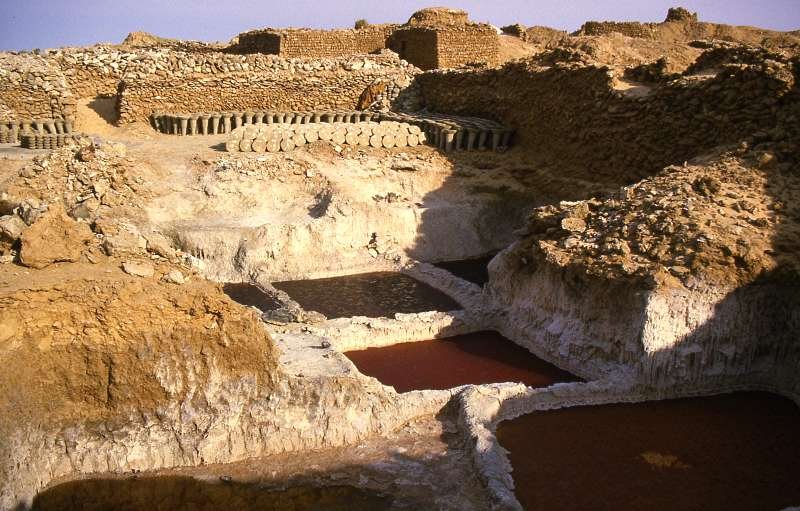
Bilma is about as far as you can get from anywhere in Niger. After 500 km of desert from Agadez, this remote oasis in the Kawar region is the last significant stop before the Libyan border. The salt pans here have been mined for centuries — caravans once carried Bilma salt south to Hausa markets in exchange for millet.

The town itself is small and the welcome basic, but the scenery is extraordinary: red and black escarpments to the east, the endless dunes of the Tenere to the west, and improbably lush palm-shaded springs at the heart of the oasis. The contrast between desert and water here is one of the most striking sights in Niger.

Getting to Bilma without your own 4WD means hitching with a truck convoy from Agadez or joining an organized tour. It's not a place to be stranded without resources.

Guide

Getting There

There is no road to Bilma in any conventional sense. The 600 km from Agadez crosses the worst of the Tenere — soft sand, no fixed track for long stretches, no water and no settlements between the two. Expect three to four days each way in a 4WD convoy. Guides, two vehicles minimum, satellite phone, fuel and water for double the planned distance are the standard precautions.

The handful of organised desert tours that still operate out of Agadez make the trip seasonally, usually as part of a longer loop that takes in the Air mountains as well. Independent travel is not advised: there are landmines along the Libyan border to the north, banditry along the route, and a permanent risk of vehicles breaking down in places where nobody else will pass for days.

Light aircraft occasionally fly into Bilma's airstrip for special charters; there is no scheduled service.

Guide

When to Go

Bilma is in the deep Sahara, where summer heat regularly tops 45°C (113°F) and the nights stay warm. Travel between June and September is genuinely dangerous and most tour operators do not run trips at all in this window.

The window is November to February: daytime highs around 25–30°C, cold clear nights that can drop near freezing, and the harmattan wind blowing thin desert dust across the south. The salt caravans are most likely between October and January. Avoid the shoulder months either side of summer — March and April get too hot for comfortable trekking, and dust storms become more frequent.

Before going anywhere in northern Niger, check your government's travel advisory. The region is regularly classified as do-not-travel for security reasons; current conditions matter more than any seasonal weather window.