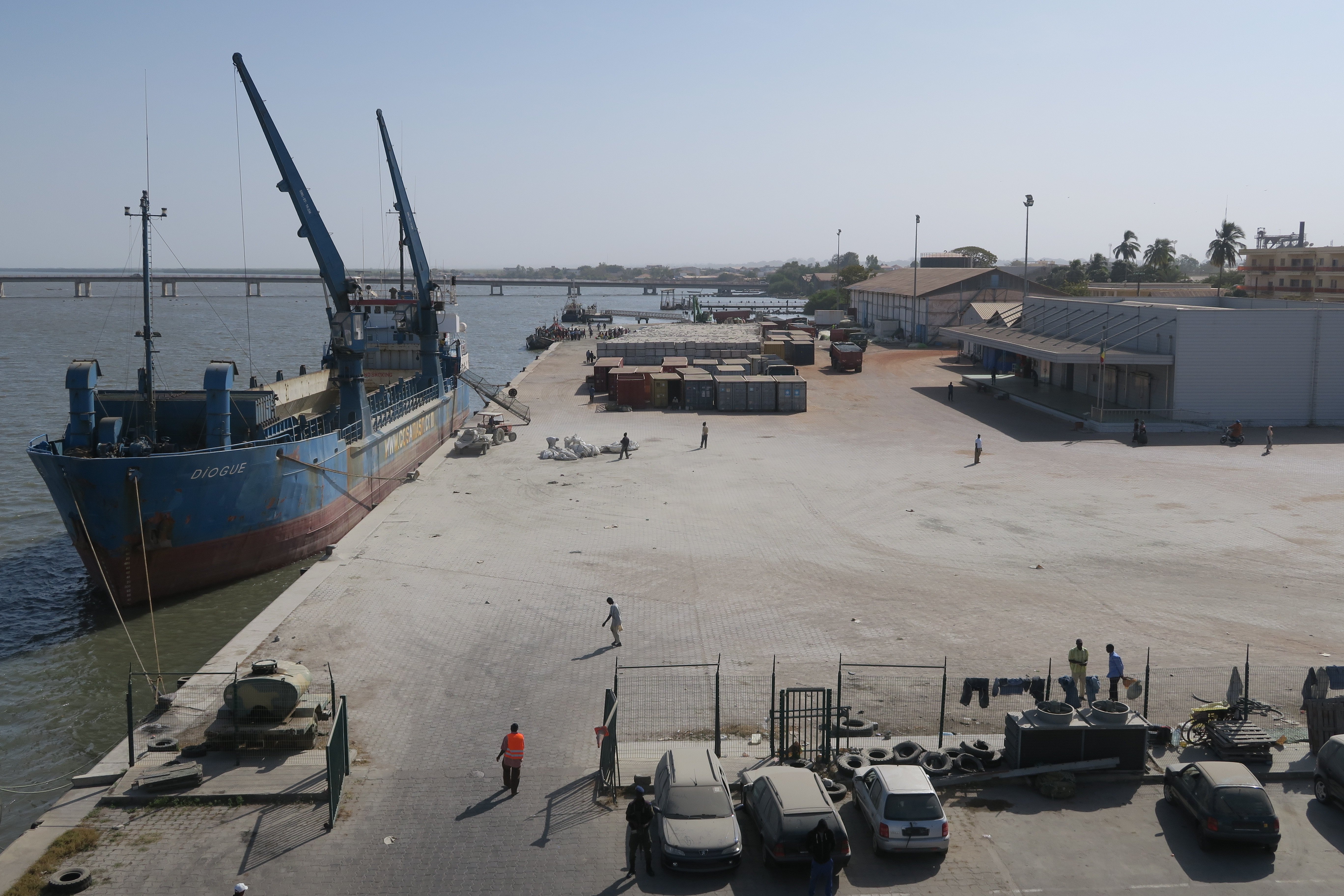
Ziguinchor
©
Ziguinchor

Ziguinchor

Main town of Senegal’s Casamance region, set beside the river amid forests, mangroves, and Diola culture.

Ziguinchor is the main town of the Casamance region, sitting on the south bank of the Casamance River about 70 km from the Atlantic coast. It is the obvious base for exploring the lush forests, mangroves, and villages of southern Senegal.

The town has a pleasantly drowsy atmosphere compared to Dakar. The influence of the Diola people is evident in the culture and architecture, and the surrounding landscape — rice paddies, oil palms, tall ceiba trees — looks nothing like the sandy north. The Marché de Ziguinchor is animated and well-stocked, especially for fish and fresh produce. The Cathédrale Saint-Antoine-de-Padoue, built in 1930, is a fine example of colonial architecture with local craftsmanship inside. A roundabout near the centre bears the name of Aline Sitoe Diatta, the young Diola queen who led resistance against French colonial rule in the 1940s — one of Senegal's great historical figures, and little known outside the country.

From Ziguinchor, pirogues carry passengers up the river to villages and the remarkable mangrove forests of the delta. The town also serves as the ferry terminus for the overnight service from Dakar — a 12-hour journey that is the most atmospheric way to arrive.

Guide

Getting There

The most atmospheric way to arrive is by the overnight ferry from Dakar — a 12-hour journey on the MV Aline Sitoe Diatta, which departs from the port of Dakar and arrives in Ziguinchor the following morning. The ferry runs twice weekly in each direction. Cabins are available, or you can sleep on deck; the latter is decidedly West African. Book in advance during the dry season, when the boat fills up.

By road, the direct route from Dakar runs through the Gambia — either via the ferry crossing at Banjul/Barra or the land crossing further east. The total journey is around eight hours and requires navigating Gambian border crossings (bring your passport and any required documentation). Alternatively, bush taxis run from Dakar's Pompiers station or from Ziguinchor's own gare routière to various destinations in the region. The Transgambian Highway through the Gambia is the main overland route.

Ziguinchor has a small regional airport with connections to Dakar and Cap Skirring. Air Sénégal operates the Dakar-Ziguinchor route; the flight takes under an hour. If time is short, this is by far the most practical option.

Guide

When to Go

The Casamance has two seasons: dry (November to May) and wet (June to October). The dry season is the obvious time to visit — roads are passable, the river is calm, and the humidity is bearable. December to February is the most comfortable period, with temperatures in the low 30s and cool evenings.

The wet season transforms the landscape. Rice paddies flood, mangrove channels fill, and the forest turns an intense green. Travelling in the wet season is difficult — roads can become impassable and some village campements close — but pirogue travel on the river is actually easier, and the countryside is beautiful. If you can manage the logistics, a visit in September or October is not as inadvisable as people often suggest.

The mango season, from April to June, is a good time to be in Ziguinchor — the market is full of fruit and the mood is festive. Avoid the peak of the dry season harmattan (December–January) if dust and dry air bother you. The Diola sacred forest initiation ceremonies (called bukut) happen on an irregular cycle, roughly every generation, and are not open to outsiders — but the associated festivities in Oussouye and nearby villages are one of the most extraordinary things you can witness in West Africa.