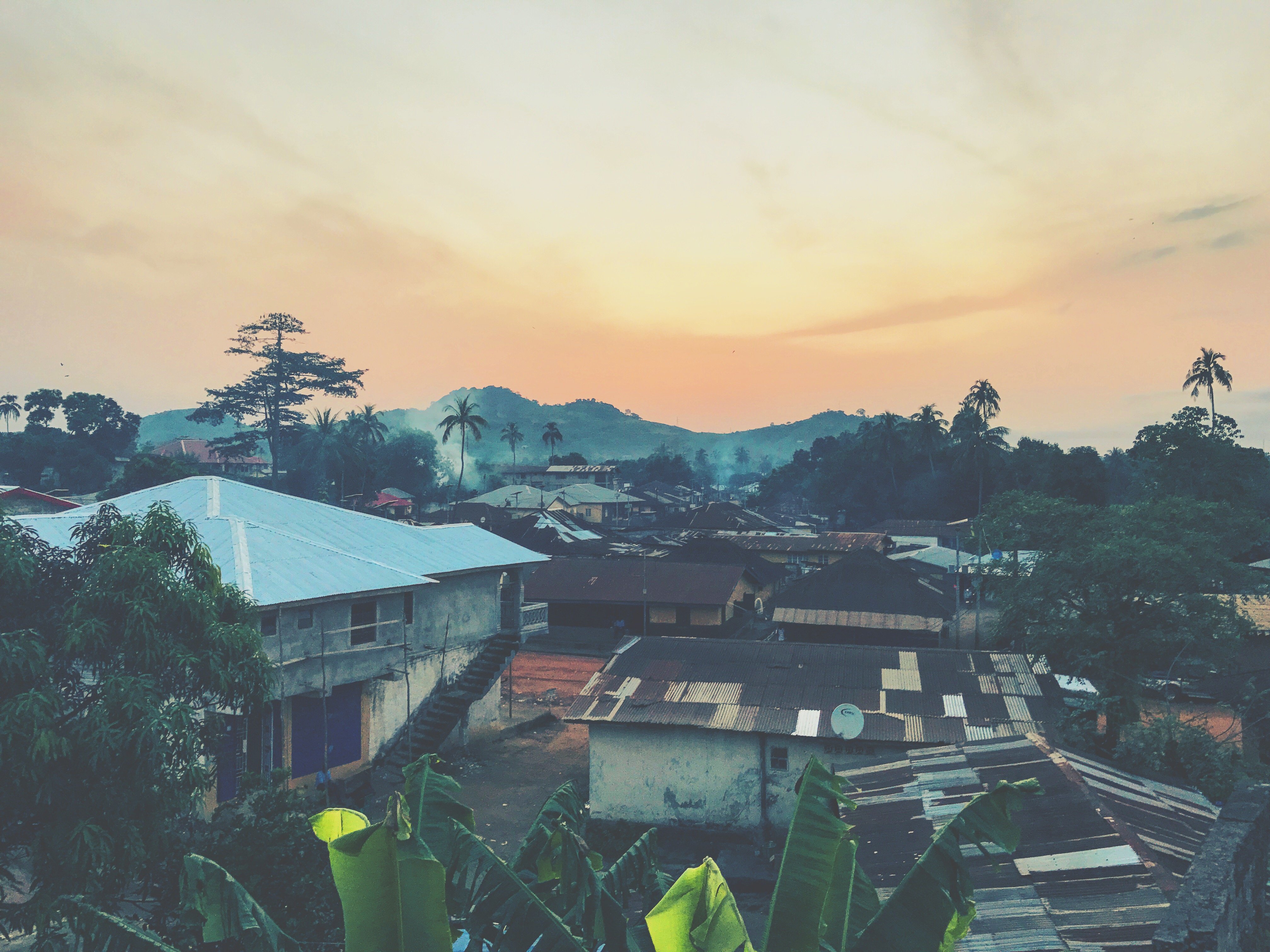
Northern Sierra Leone market city and Bombali capital, with a university town energy and regional trade.
Makeni is the largest city in northern Sierra Leone and the capital of the Bombali District, a busy market town that serves as the commercial hub for the surrounding region. The city was heavily affected during the civil war but has rebuilt steadily since, and the University of Makeni, run by the Salesians, has brought a youthful energy to the town.
The central market is the main attraction for visitors, a lively and colorful place where you can find everything from locally grown produce to imported goods. Makeni is also a useful base for exploring the north of Sierra Leone, including the Outamba-Kilimi National Park and the Loma Mountains, where Mount Bintumani, the highest peak in West Africa west of Cameroon, rises from the forest. Getting to these places requires some effort and ideally a four-wheel-drive vehicle, but the scenery is worth it.
Guide
Day Trips
Makeni is the natural staging point for the north of Sierra Leone. Kabala is the closest major day trip, a hill town two hours further north with cooler air and walks up to Wara Wara mountain. With more time, the Outamba-Kilimi National Park, on the Guinea border, offers chimpanzees, hippos, and a network of forest rivers — plan on at least two days for the round trip.
For the truly ambitious, Mount Bintumani in the Loma Mountains is the highest peak in West Africa west of Cameroon, at 1,945 m. Reaching the base requires a long drive on rough tracks, and the climb itself takes two to three days with a local guide. It is one of the great unsung treks of the region.
Guide
Getting Around
Central Makeni is small enough to walk. From the cathedral to the central market is ten minutes on foot, and most of what a visitor wants to see lies inside that triangle.
For longer hops — out to the University of Makeni, or to one of the chiefdoms around town — okada (motorbike taxis) are everywhere and cheap. Agree the price before you climb on; helmets are rarely offered but you can ask. Shared taxis run fixed routes along the main roads for a flat fare. Private taxi hire is straightforward but expect to negotiate.
If you are heading out to Mount Bintumani, Outamba-Kilimi National Park, or anywhere off the tarmac, you will need a four-wheel-drive vehicle with a driver. Arrange this through your guesthouse or one of the tour operators in Freetown before you arrive; renting on the spot in Makeni is hit-and-miss.
Guide
Getting There
Makeni sits on the main highway between Freetown and the interior, about 185 km northeast of the capital. The road is paved and in decent condition, and the journey takes three to four hours by shared taxi or poda-poda (minibus) depending on the number of stops.
Shared taxis leave from Freetown's Kissy lorry park throughout the day until mid-afternoon. They are cheaper but slower than chartering a private vehicle. The first taxis to fill leave around dawn; if you want a seat that is not in the middle, get there early. Coming from Bo or Kenema in the south, you can change vehicles at Mile 91 or Magburaka.
There is no functioning passenger train, and no scheduled flights serve Makeni. The nearest airport is Freetown's Lungi, on the opposite side of the Sierra Leone River from the capital.
Guide
When to Go
The dry season runs roughly from November to April and is the easiest time to be in Makeni. Days are hot, often above 35°C in March, but the roads to the surrounding chiefdoms and parks are passable and the dust is preferable to the mud.
The rains start in May and peak from July to September, when the city is regularly cut off from outlying villages and the unpaved roads turn to slurry. The compensation is the green — the surrounding country is at its most beautiful, and the air feels cleaner once the harmattan haze has been washed away.
December and January bring the harmattan, the dry Saharan wind that drops a fine red dust over everything and softens the sky to a pale haze. Nights are cool. It is the best month to climb in the Loma Mountains.