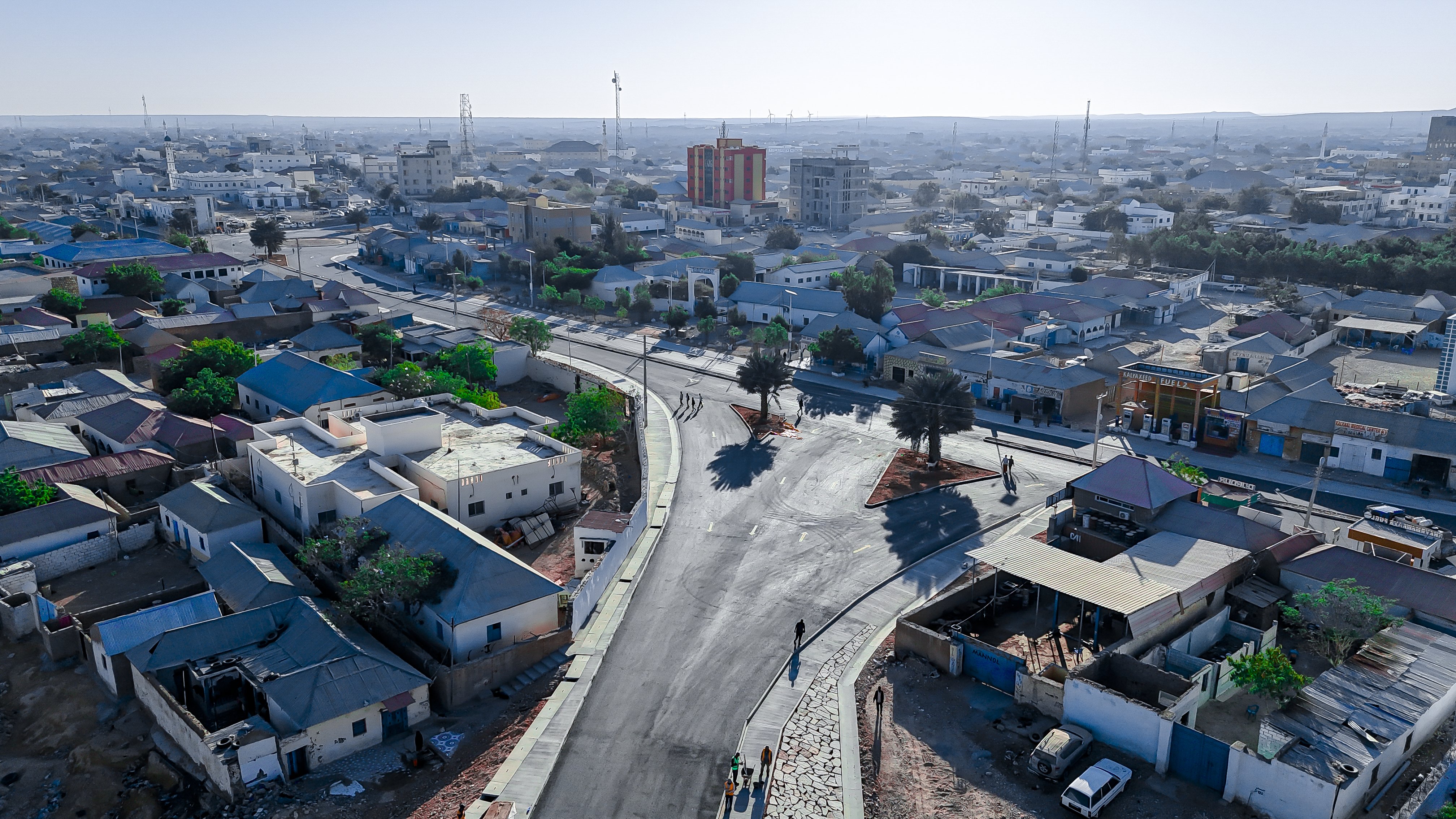
Garowe is the capital of Puntland, Somalia's semi-autonomous northeastern region. It sits in the Nugal Valley at around 500 m elevation, which makes it cooler than the coastal cities. The city has grown from a small settlement into a functioning regional capital since Puntland was established in 1998, and it serves as the seat of the Puntland government — home to the presidential palace, parliament, and the main government ministries.
Garowe has banks, hotels, a university, and regular air connections to Mogadishu and Bossaso. By Somali standards it is relatively orderly and stable, though kidnapping risk and general insecurity still apply. It is the administrative base for many NGOs and international organizations working in the Puntland region.
There is not much for a conventional tourist to see in Garowe, but the surrounding Nugal valley is striking — semi-arid terrain that turns green after the rains, with scattered frankincense and acacia trees. Somalia is one of the world's major frankincense producers, and the resin has been harvested in this valley since ancient times. The Mire Aware Stadium, with its 15,000-person capacity, hosted Somalia's first nationwide football tournament in 2010 — the kind of event that passes without much international notice but carries real meaning in a country rebuilding normal life.