Gedaref
©
Gedaref

Gedaref

Eastern Sudanese agricultural city on the Butana plains, surrounded by sorghum, sesame, and cotton fields

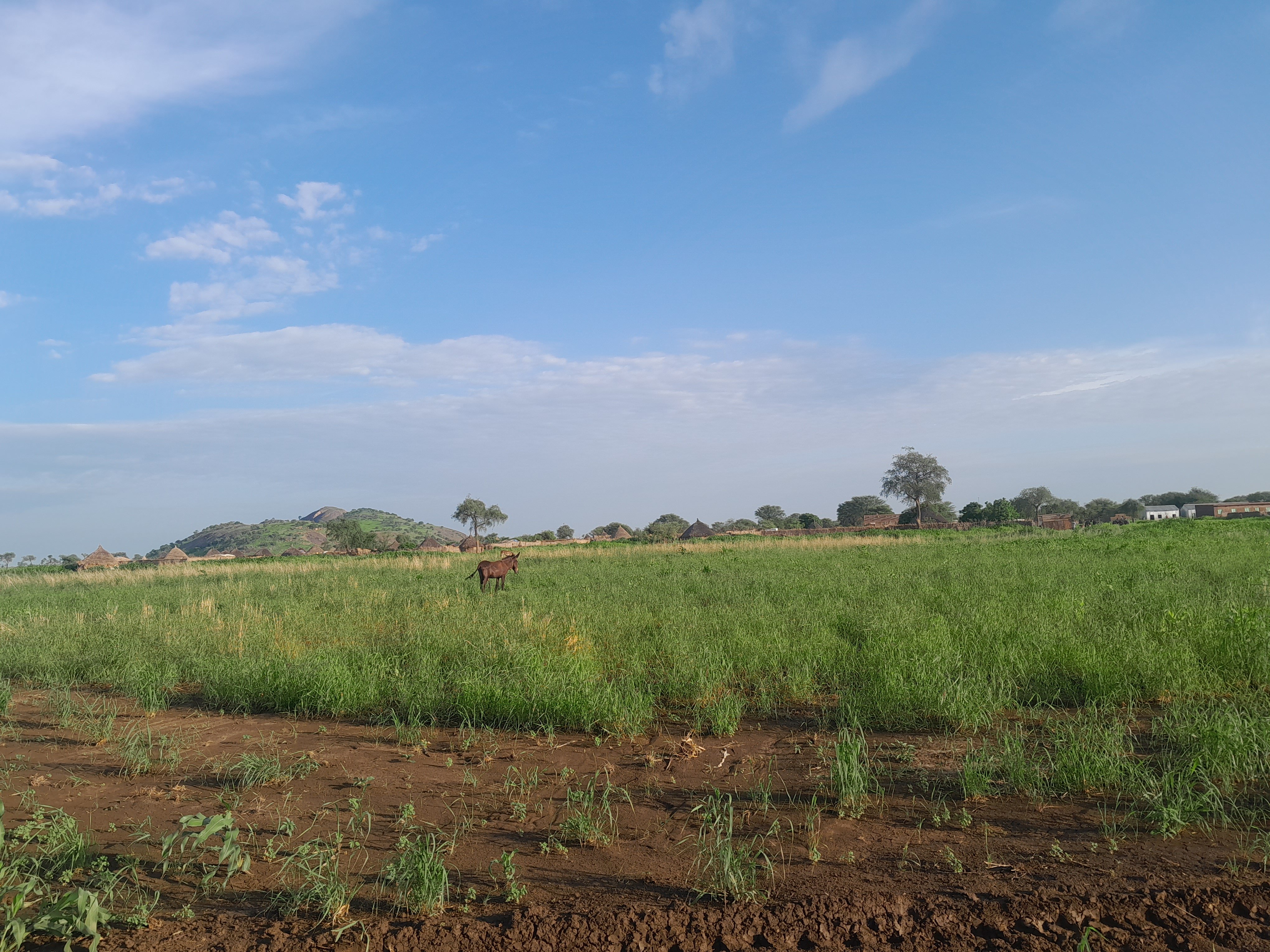
Gedaref — also known as Al-Qadarif — is the agricultural heartland of eastern Sudan and the country's granary. The city sits on the fertile Butana plains, where vast fields of sorghum, sesame, sunflower, peanuts, and cotton stretch across the landscape. Roads connect it to Khartoum to the west, Port Sudan to the northeast, and south to the Ethiopian border town of Galabat, linking Gedaref to the Ethiopian city of Gondar.

The name itself carries a story. Arab nomad tribes once used this spot on the Butana plains as a market to trade with local peoples. At day's end, a herald would call out "Alli Gada-ye-rif" — "those who have finished their business should leave, so the market can close." That call became the name of the settlement that grew up around the market, which gradually expanded from a village into a trading town.

Few Sudanese cities outside Khartoum and Port Sudan have such a diverse population. Kurds, Armenians, Indians, Greeks, Egyptian Copts, Ethiopians, Eritreans, Somalis, Nigerians, Chadians, Yemenis, and Italians have all settled here over generations, drawn by the agricultural boom that turned Gedaref into a regional commercial hub. Their descendants are now thoroughly Sudanese, woven into the fabric of a city that has long been a crossroads of peoples.

Guide

Eating Out

Food in Gedaref is straightforward Sudanese fare: ful medames (stewed brown beans with oil, cheese, and bread for breakfast), grilled mutton and goat, kisra flatbread, and asida porridge served with peanut or okra stew. The city's history as a crossroads shows up in small touches — Ethiopian injera and tibs in a couple of corner restaurants near the bus station, Yemeni bread bakeries, and the occasional Greek-era recipe surviving in family kitchens.

Eat where the truckers eat. The cluster of grills around the central market opens early and serves until late, charging next to nothing for skewered mutton, fresh bread, and a glass of sweet tea. For something more comfortable, the hotel restaurants along the Khartoum road do a passable kebab and the only cold drinks in town.

Guide

Getting There

Gedaref sits at the junction of Sudan's main eastern roads. The paved highway from Khartoum runs east through Wad Medani and on to Gedaref — around 410 km, six to eight hours by bus depending on the season and the checkpoints. From Gedaref the road continues north-east to Kassala and Port Sudan on the Red Sea, and south to Galabat on the Ethiopian border, the main overland crossing point for travellers heading to Gondar.

Long-distance coaches from Khartoum and Port Sudan run several times a day. The bus station is on the edge of town, served by tuk-tuks and minibuses. There is also a small airport handling occasional domestic flights, but most visitors arrive overland. Note that Sudan's security situation has been extremely volatile since 2023 — check current travel advisories before planning a trip.

Guide

Things to Do

Gedaref is not a city you visit for monuments. It is a working agricultural and trading town on the eastern plains, and what is worth seeing is bound up with that life — the grain market, the surrounding farmland, and the unusual mix of peoples who built the place. Wander the market in the cool early morning, drink tea where the traders drink it, and head out into the Butana for a sense of what feeds Sudan.

Guide

When to Go

The most comfortable months in Gedaref are November through February, when daytime temperatures sit in the high twenties and nights cool down enough for a thin blanket. This is also the post-harvest season, when the markets are busiest and the grain trade hums.

March to May is hot and dusty — daytime highs push past 40°C and the haboob dust storms blow in off the plains. The rains arrive in June and last into September, turning the Butana green but making the dirt roads off the main highway difficult or impossible. The city itself sees serious downpours through July and August, brief but intense. Avoid travel during the rains unless you have a 4x4 and time.