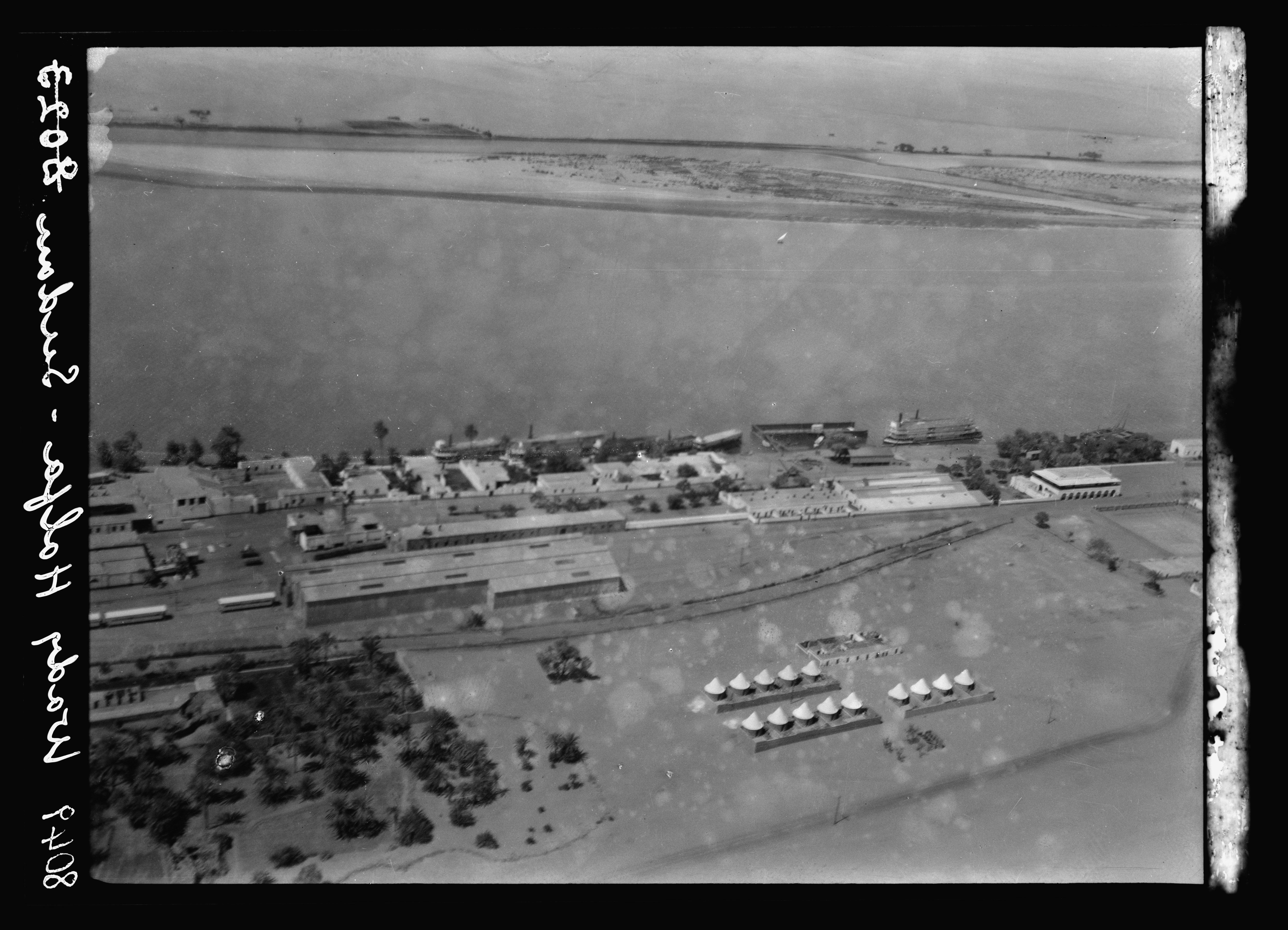
Wadi Halfa sits at the northern tip of Sudan, on the eastern shore of Lake Nubia — the Sudanese portion of Lake Nasser. It is the last town before the Egyptian border, the terminus of the railway from Khartoum, and the point where goods and travellers switch between the train and the ferry that crosses the lake to Aswan. Despite its strategic position, it is a small, sun-blasted place with a frontier feel.
The original town was largely swallowed by the reservoir created by the Aswan High Dam in the 1960s. Most residents were relocated, and the new Wadi Halfa was built slightly further from the water. Something of the old town still peeks above the surface in dry years, and the memory of submersion gives the place a slightly haunted quality.
The surrounding area contains some of the richest Nubian archaeology in Sudan — temples, cemeteries, and ancient fortifications that have survived for millennia in the desert air. Many sites, including the Buhen Fortress, were partially or fully lost to the lake. Sai Island, 180 kilometres south, offers a surviving cross-section of Nubian history across three thousand years. What remains is well worth the journey for anyone with an interest in ancient Nubia.