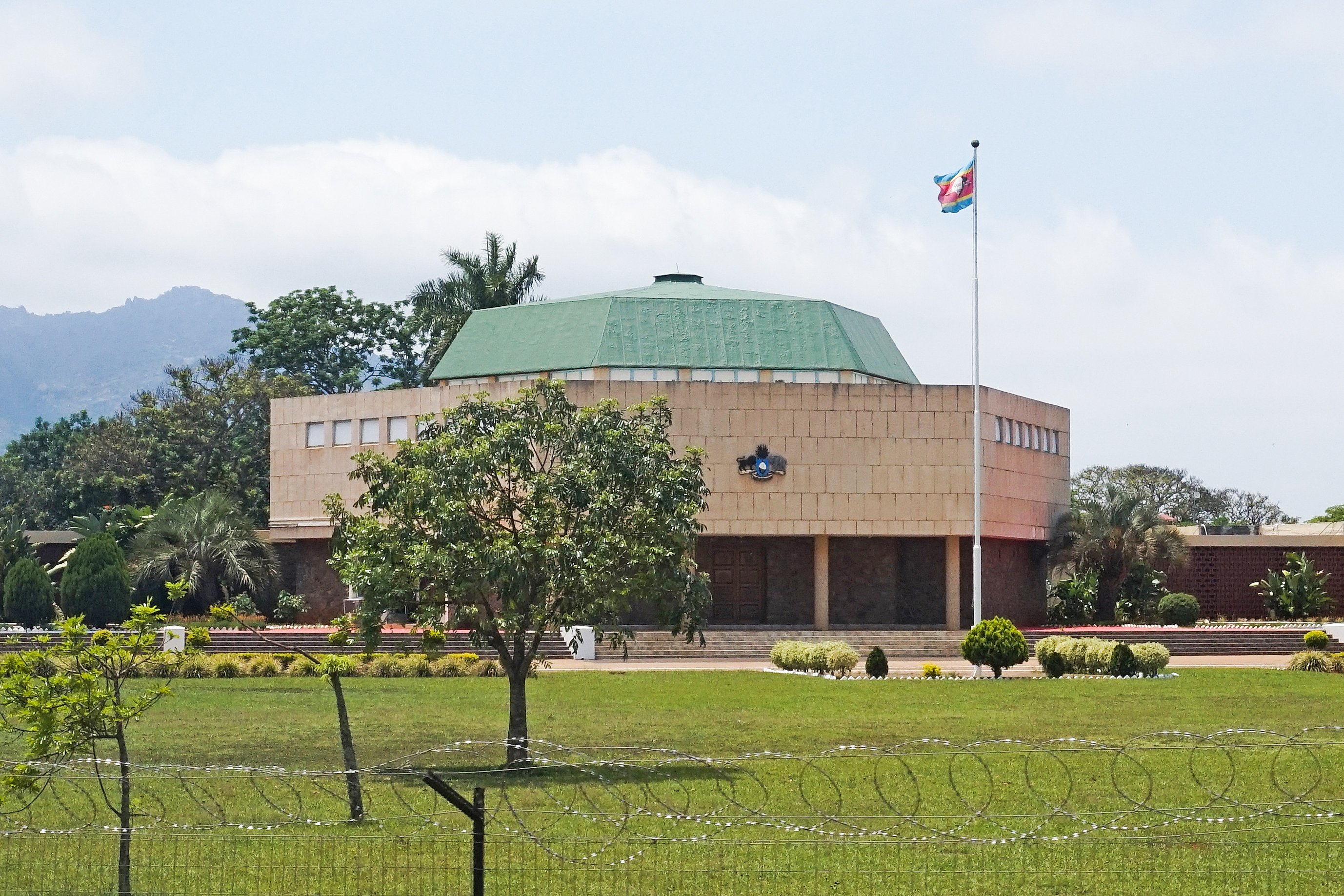
Lobamba is the traditional and legislative capital of Eswatini, sitting at the southern end of the Ezulwini Valley about 15 km from Mbabane. While Mbabane handles day-to-day administration, Lobamba is where the kingdom's identity is kept: Parliament convenes here, the royal family holds court nearby at the Ludzidzini Royal Village, and the great ceremonies of the Swazi year take place on this ground.
The Somhlolo National Stadium — named after a 19th-century king who reportedly foresaw the arrival of Europeans — is the country's main venue for football and national events. The nearby National Museum is the best single introduction to Swazi history and culture: it covers the kingdom's origins, the royal lineage, and the material culture of a people who maintained their sovereignty longer than most of their neighbours. The Parliament building is modest in scale but significant in context — a reminder that in this absolute monarchy, the proximity of legislature to king is not coincidental.
Most travellers pass through on a drive down the Ezulwini Valley, and that is enough on an ordinary day. Come during the ceremonies and Lobamba becomes something else entirely — a place where tens of thousands of people gather for rituals that have been performed for centuries, in a valley that still belongs to the royal family rather than to development.