Mbabane
©
Mbabane

Mbabane

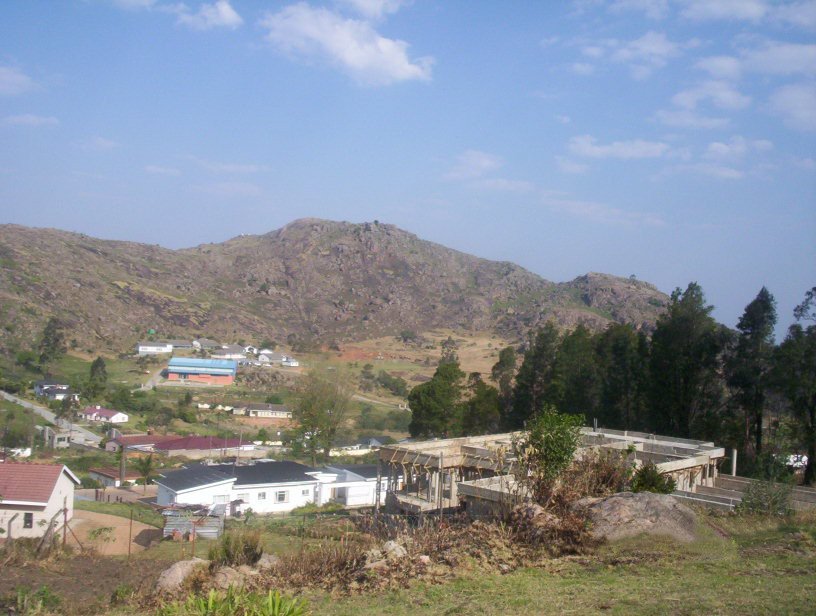
Eswatini's administrative capital, set in the Dlangeni Hills on the western highveld.

Mbabane is the administrative capital of Eswatini (formerly Swaziland), tucked into the Dlangeni Hills at 1,200 metres on the kingdom's western highveld. It is a small, quiet capital — more government town than metropolis — but the mountain setting is striking and the surrounding highlands offer some of southern Africa's best hiking and wildlife.

The town owes its status to colonial politics. During the 1890s the Boer administration favoured Bremersdorp (now Manzini) as the main centre, preferring the warm middleveld. When the British took over after the Anglo-Boer War, they chose the cooler highlands instead, and the settlement near King Mbanzeni's cattle kraal became the capital. The first government building went up on the corner of Allister Miller and Walker Streets; the colonial headquarters, a fine Cape Dutch structure, was not built until 1939.

Mbabane itself is best treated as a base rather than a destination. The Indingilizi Gallery is the cultural highlight in town — a thoughtfully curated space for contemporary Swazi art that has been running since 1982. The Dlangeni Hills above the city offer accessible walking without the need to drive anywhere. And the Waterford Kamhlaba United World College on the hillside above town carries one of the more remarkable stories in African education — a multiracial school founded in deliberate defiance of apartheid South Africa in 1963. The real draws, though, are outside the capital: the Mlilwane Wildlife Sanctuary, the Malolotja Nature Reserve, and the royal and cultural sites around Lobamba are all within easy reach.

Guide

Day Trips

Mbabane itself is low-key, but the surrounding highlands and valleys pack in wildlife reserves, cultural sites, and raw mountain scenery — all within easy driving distance.

Mlilwane Wildlife Sanctuary lies about 25 km south. The park covers over 45 square kilometres of mixed bushveld and grassland, home to zebras, giraffes, antelope, warthogs, and a few hippos. You can explore on foot, by mountain bike, or on horseback. Self-guided trails wind through the Macobane Hills, and the climb up Nyonyane Mountain (about three hours) rewards with wide views over the reserve.

Lobamba, 20 km south, is the spiritual and royal capital of Eswatini. The National Museum displays replicas of traditional Swazi homesteads alongside historical artefacts and portraits. Nearby is the King Sobhuza II Memorial Park, a quiet spot set in lush grounds. If your timing is right, the Somhlolo Stadium hosts football matches and live events.

Malolotja Nature Reserve, about 30 km northwest in the heart of the Swaziland Highlands, is the country's premier hiking destination. The reserve protects pristine montane grassland and some of the oldest geological formations in the world. Multi-day trails are possible, but even a day hike into the gorges is worthwhile.

Guide

Eating Out

Mbabane has a modest but functional restaurant scene. Swazi cuisine proper — sishwala (a thick maize porridge served with stewed meat and vegetables), emasi (fermented milk), and umncweba (dried meat) — tends to appear in smaller local eateries and at home rather than in formal restaurants. Most sit-down places serve a mix of southern African grills, South African fast food, and international dishes.

The area around Swazi Plaza and the Gables Shopping Centre on the edge of town has the highest concentration of restaurants, coffee shops, and takeaways. Prices are low by international standards — a full meal in a reasonable restaurant costs well under $15. South African imports dominate the supermarkets; fresh local produce is best found at the Saturday market near the bus rank.

Guide

Getting Around

Mbabane is a small city and the centre is walkable, but getting to attractions outside town takes some planning. There is no public bus network or metered taxi service within the city itself.

Minibus taxis are the main form of public transport. They run fixed routes between Mbabane and other towns — particularly Manzini — and depart when full from the bus rank on Mhlakuvane Street. They are cheap but can be crowded.

Car hire is the most practical option if you want to explore the surrounding reserves and countryside at your own pace. Roads around Mbabane are generally in reasonable condition, though some routes to the nature reserves are unpaved. Drive on the left.

Walking works well for the town centre — the main commercial area along Allister Miller Street and the Swazi Plaza mall are all within a short stroll. For anything further afield, ask at your accommodation about transport options or arrange a driver for the day.

Guide

Getting There

Eswatini's King Mswati III International Airport, opened in 2014, is located at Sikhuphe, about 80 km southeast of Mbabane. Several airlines fly in from Johannesburg, and there are regional connections. However, the older Matsapha Airport near Manzini — closer to Mbabane — still handles some traffic. Check which airport your flight uses before travelling.

From South Africa by road — The most common approach is by car or bus from Johannesburg, around 360 km to the west. The main border post at Ngwenya–Oshoek is busy but efficient. Several cross-border bus services connect Johannesburg, Pretoria, and Durban with Mbabane; the journey from Johannesburg takes around five hours. Smaller shared taxis (combis) also run across the border and connect with Swazi minibus taxis into the city.

From Mozambique — The Lomahasha–Namaacha border crossing is used by travellers coming from Maputo. The road from the eastern lowveld to Mbabane climbs dramatically through the escarpment — the views are one of the better drives in the region.

Most Western nationals can enter Eswatini without a visa for stays up to 30 days.