Aneho
©
Aneho

Aneho

Togolese lagoon town on the Gulf of Guinea, marked by German colonial architecture and border traffic

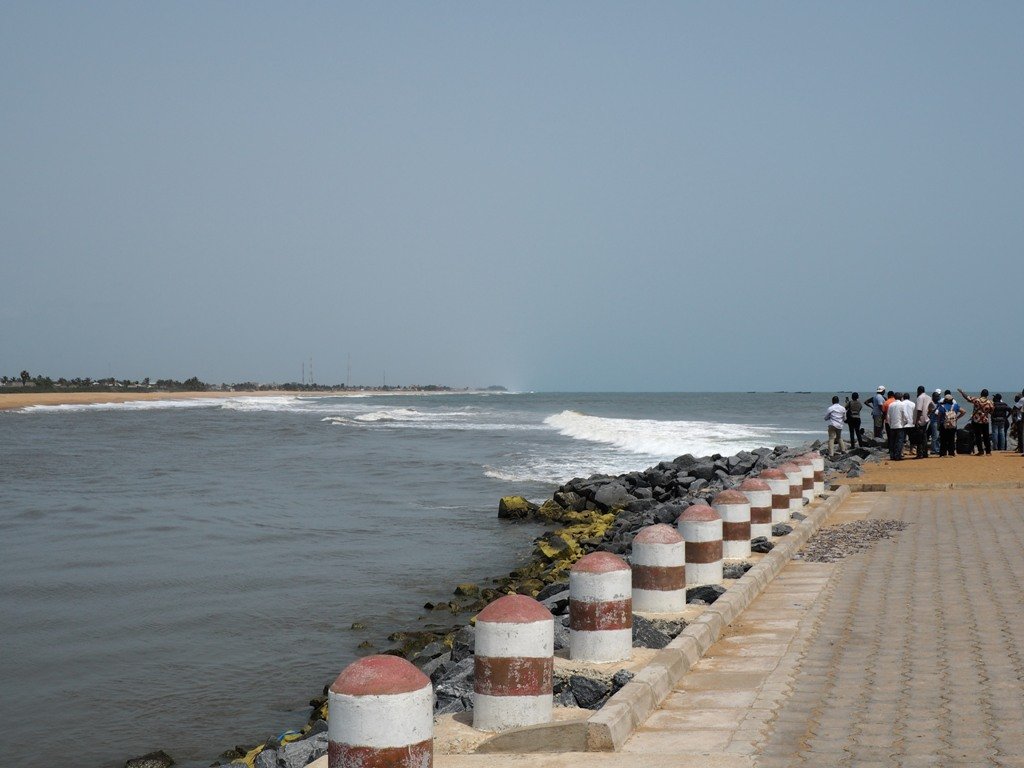
Aneho sits on a narrow sand spit between a lagoon and the Gulf of Guinea, 45 kilometres east of Lomé along the coastal road. It was the capital of Togo during the German colonial period until 1897, and the faded colonial architecture from that era still defines the town's character. The location near the border with Benin makes it a natural stopping point for travellers crossing between the two countries.

The town offers a handful of things: the Cathedral of Aneho and other crumbling colonial-era buildings, the Aneho Market that serves the surrounding Lacs Prefecture, the Gulf of Guinea beach where fishing boats come and go, and the Lake Togo lagoon on the northern side of the spit. From the lagoon shore, you can take a pirogue across to Togoville, where the chief signed the colonial protectorate agreement in 1884. It is a quiet, atmospheric place that sees few tourists — most people pass through rather than linger, but it rewards a few hours of wandering.

Guide

Getting There

Aneho is 45 kilometres east of Lomé along the coastal road (the Route Nationale 2), and the journey by shared taxi or minibus takes around an hour depending on traffic. Bush taxis leave from the gare de Lomé throughout the day. The border with Benin is a few kilometres further east — the crossing at Hillacondji is the standard land route between Togo and Benin, making Aneho a natural stop for travellers going between the two countries.

There is no rail connection or scheduled bus service to Aneho. Private taxis from Lomé are available but expensive by local standards.

Guide

Things to Do

Aneho is a slow, atmospheric town that rewards wandering rather than checking off sights. The colonial-era buildings along the waterfront and market streets are the main draw — shuttered, crumbling in places, but still legible as the administrative centre they once were. The Catholic cathedral built during the German period stands as the most complete survivor of that era. The beach along the Gulf of Guinea is broad and backed by coconut palms, largely deserted outside the market days when fishing boats come in. The lagoon on the northern side of the spit offers a quieter, calmer alternative for those who want to swim.