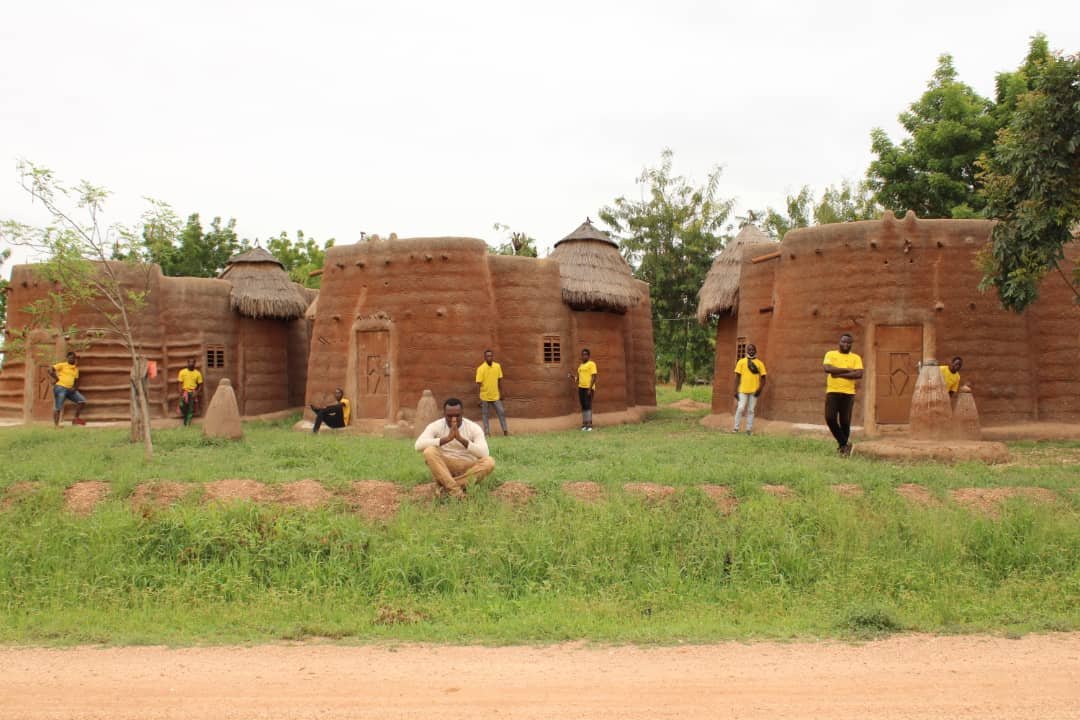
Some 65,000 Batammariba people live in the savannahs of northern Togo, just north of Kara. They practice subsistence farming, growing millet, sorghum, yams, and a variety of other crops. Domestic goats, cattle, and guinea fowl supply meat, though hunting and fishing also supplement the diet.
The women operate a well-developed market exchange system using both money and cowrie shells. Extended family units live in highly distinctive two-storied compounds — the takienta — built from layers of sun-dried mud, with conical thatched roofs that resemble miniature castles. The Koutammakou landscape where these buildings are concentrated is a UNESCO World Heritage site — and the main reason to make the journey north.
The best time to visit is in the dry season, between November and March. Head for Kande, where guides will approach you readily; haggle a little and you can arrange a reasonable price for a village tour. The Wednesday market at Nadoba is a good fixture to time a visit around.