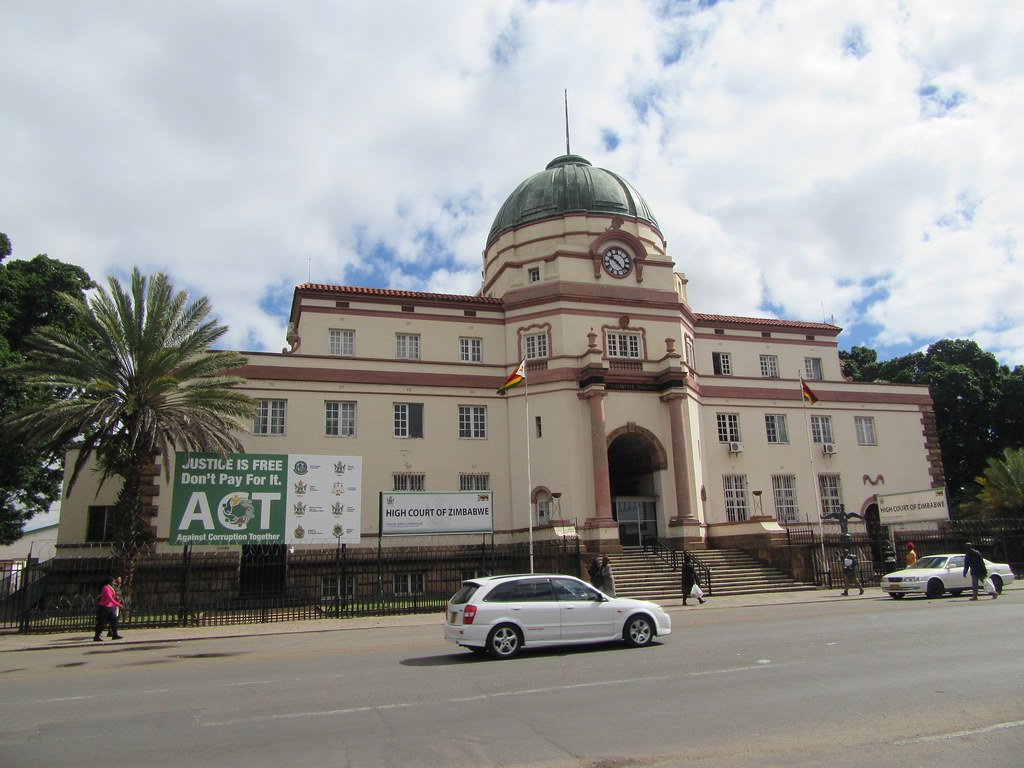
Bulawayo
©
Bulawayo

Bulawayo

Zimbabwe's second city and Matabeleland capital, with wide colonial streets and Ndebele history close by

Bulawayo is Zimbabwe's second largest city, with a population of around 700,000, and the economic and cultural capital of Matabeleland. It's a slower, more relaxed city than Harare — the wide tree-lined streets were laid out on a generous colonial grid, and the pace of life in the city centre has a certain unhurried quality that Harare lost some time ago. The city was founded in 1894 on the site of King Lobengula's royal kraal after the defeat of the Matabele kingdom, and the Natural History Museum of Zimbabwe here has strong collections covering the archaeology, natural history, and history of Zimbabwe's peoples.

Bulawayo is primarily used by travelers as a base for visiting Matobo National Park, about 30 kilometres south of the city — a remarkable UNESCO landscape of granite kopjes, caves, and rock art, where Cecil Rhodes is buried at a spot he called "View of the World." The park also has significant concentrations of rhino. The city is on the main rail line from Victoria Falls to South Africa, which makes it a natural transit stop for travelers doing a southern Africa circuit.

The city has a proud railway heritage — the Bulawayo Railway Museum has an excellent collection of vintage steam locomotives — and the National Gallery has a small but interesting collection of Zimbabwean contemporary art. The Khami Ruins, a UNESCO World Heritage Site about 22 km west of the city, are among the most significant archaeological remains in Zimbabwe after Great Zimbabwe.

Guide

Eating Out

Bulawayo's restaurant scene is modest but has improved in recent years as the city's economy has partially stabilised. The best eating is in the suburbs — places like Woodlands and Suburbs have a cluster of restaurants and coffee shops. The city centre has basic options but not much of quality. Local Ndebele cooking features sadza (maize meal porridge), nyama (meat stews), and relishes, though formal restaurants tend toward a mix of Zimbabwean and South African styles. Grilled meat is everywhere and generally good.

Guide

Getting There

Bulawayo Joshua Mqabuko Nkomo International Airport has flights to Harare (several daily), Johannesburg, and a few other regional destinations. The flight from Harare takes about an hour. The drive from Harare on the A5 highway takes about 6 hours — the road is reasonable but long. From Victoria Falls, the drive is about 6 hours on the A8.

The railway connection from Victoria Falls to South Africa passes through Bulawayo, and the overnight train from Harare to Bulawayo is a classic if slow journey — the Beitbridge Bulawayo Railway also connects to the South African border. Road coaches from Harare and Victoria Falls stop at Bulawayo's Egodini bus terminal.

Guide

Things to Do

Bulawayo is a city with more substance than its secondary status might suggest. The Natural History Museum is one of the finest natural history collections in southern Africa. The Railway Museum celebrates the city's deep connection to the iron road that shaped its economy for a century. And Matobo National Park, thirty kilometres south, offers one of the most dramatic and wildlife-rich landscapes in Zimbabwe. Most travelers who stop here find they wish they had stayed longer.