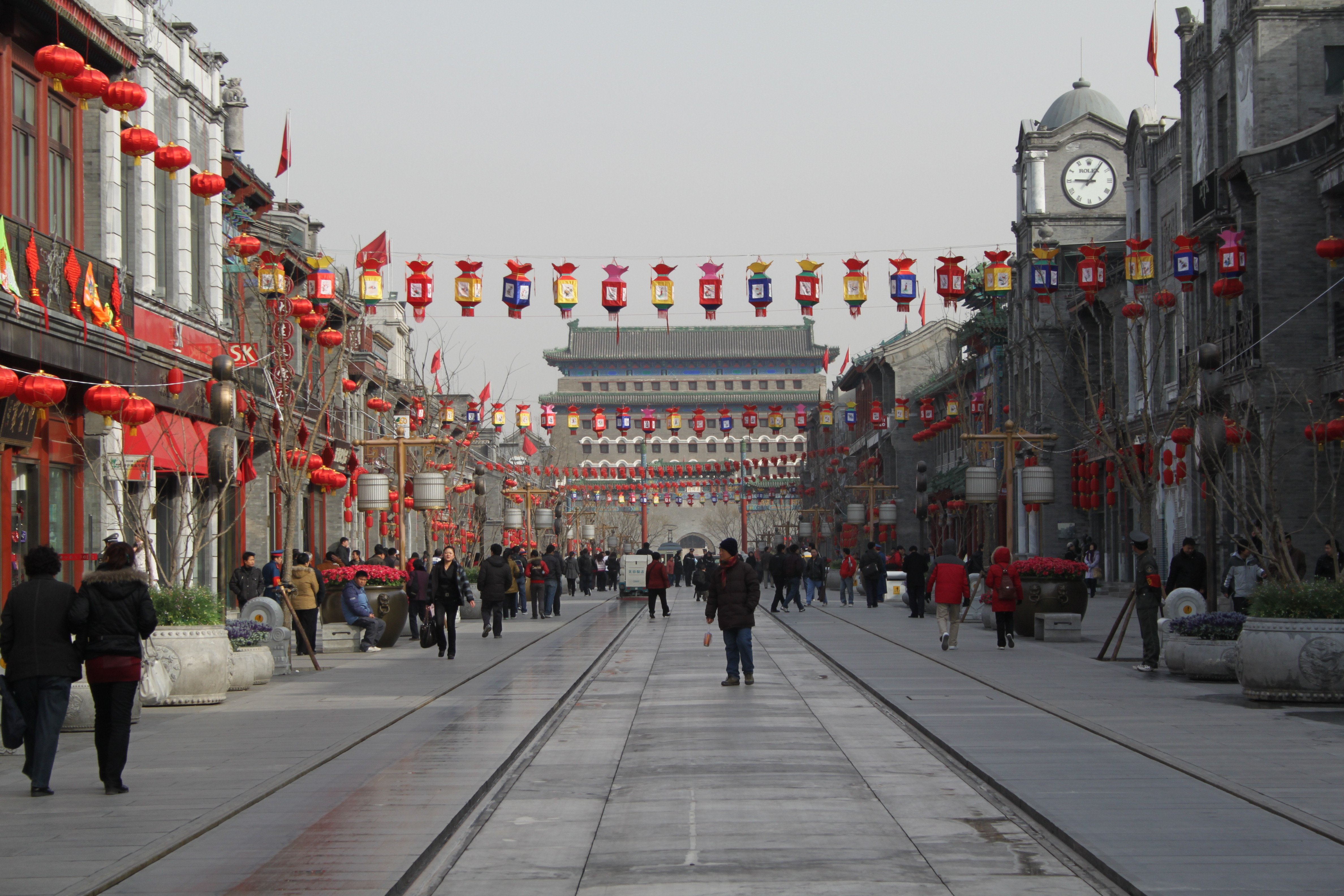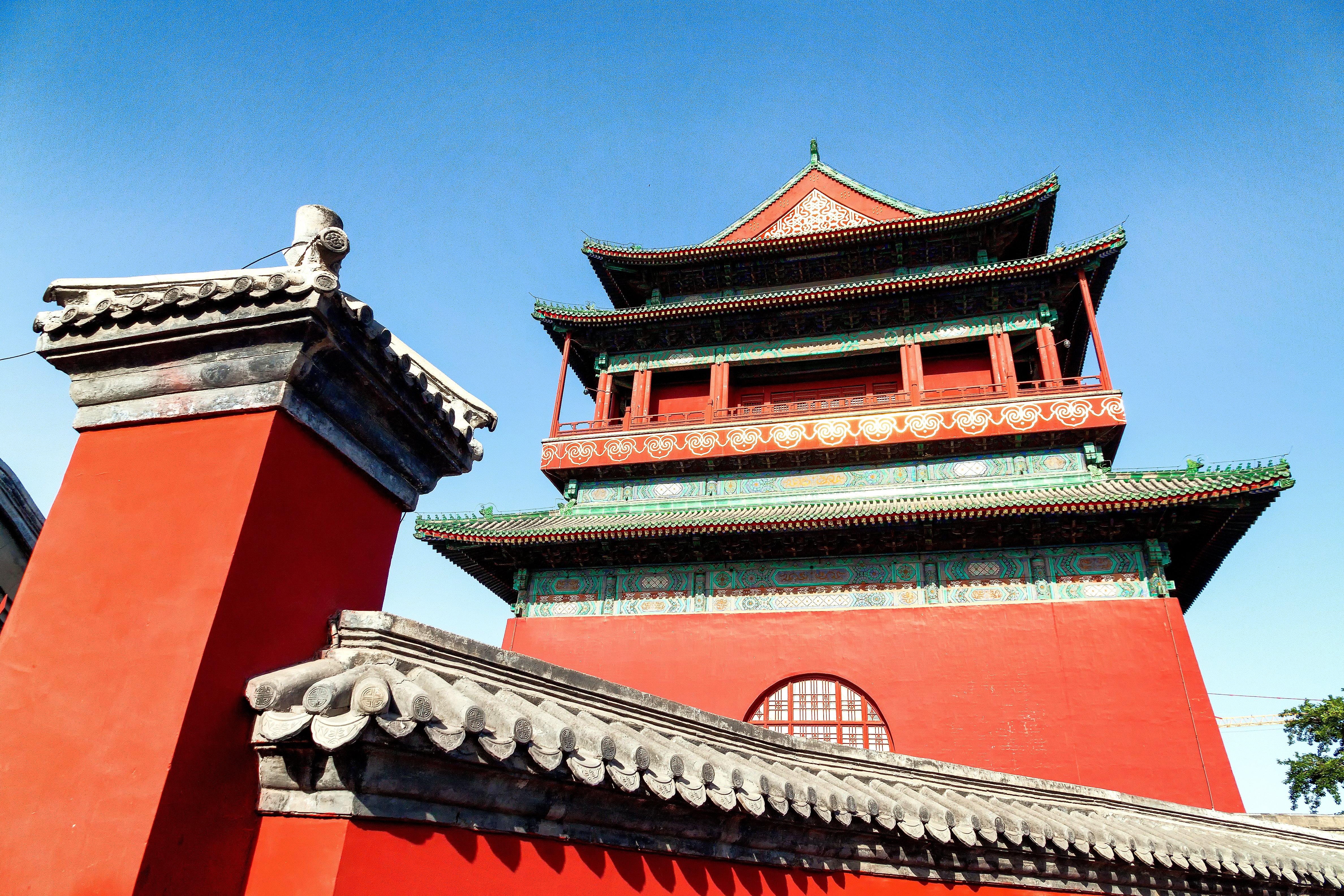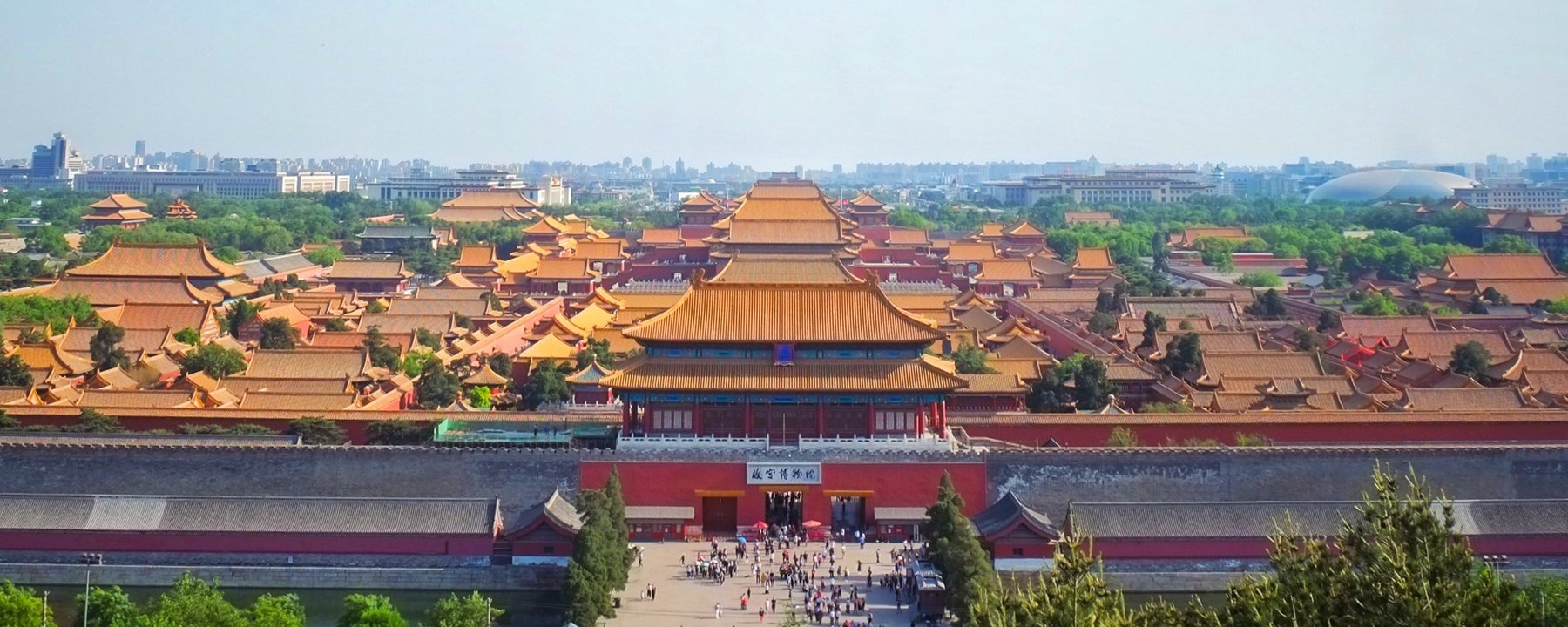
Beijing — "Northern Capital" — has been China's political centre for most of the last eight hundred years, and the architecture and atmosphere of the city still reflect that. The Forbidden City at the heart of the old town, the Temple of Heaven to the south, the Summer Palace to the northwest, and the Great Wall at Mutianyu running along the mountains an hour north are the most famous set pieces of imperial China anywhere in the world, and together they fill the better part of a week.
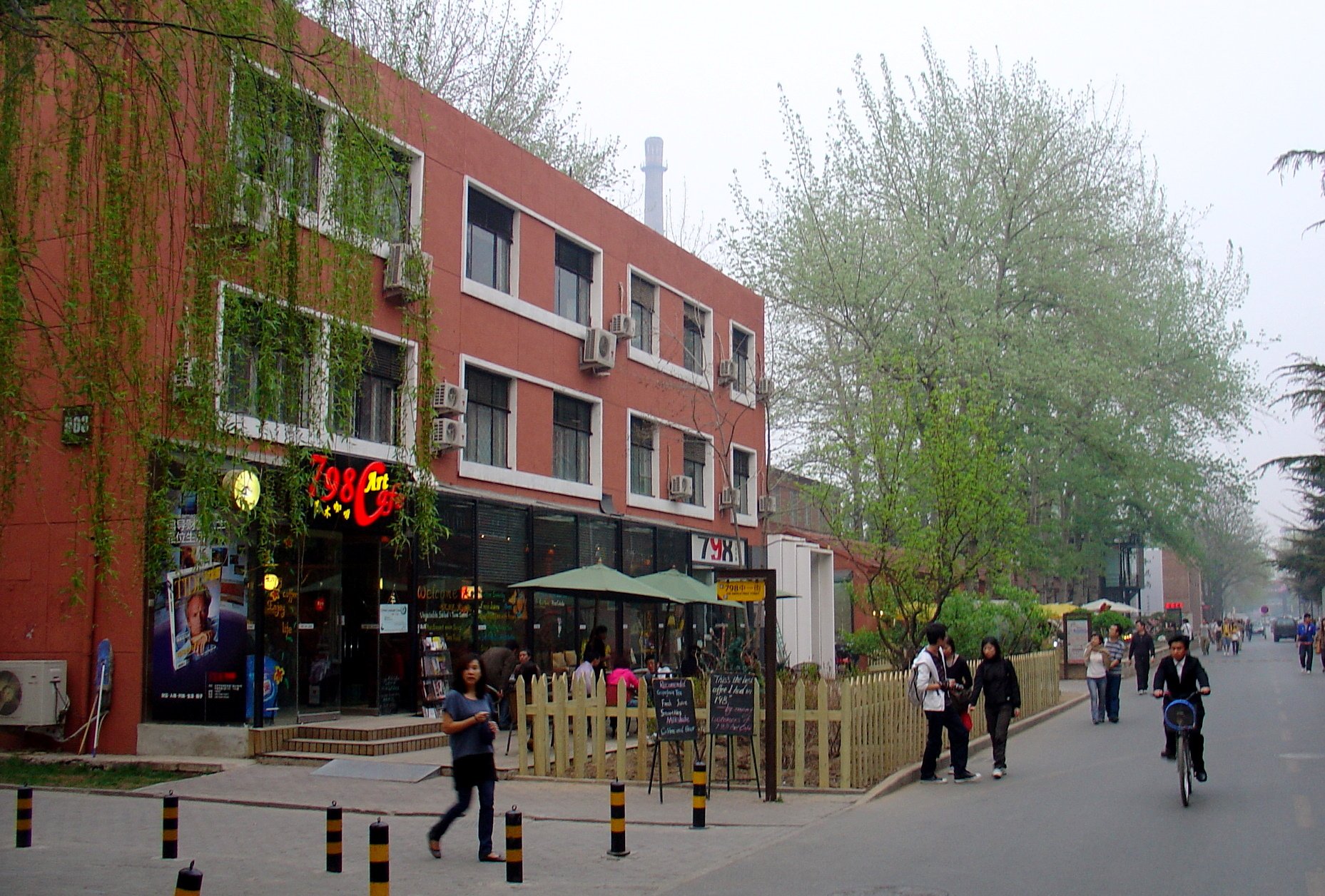
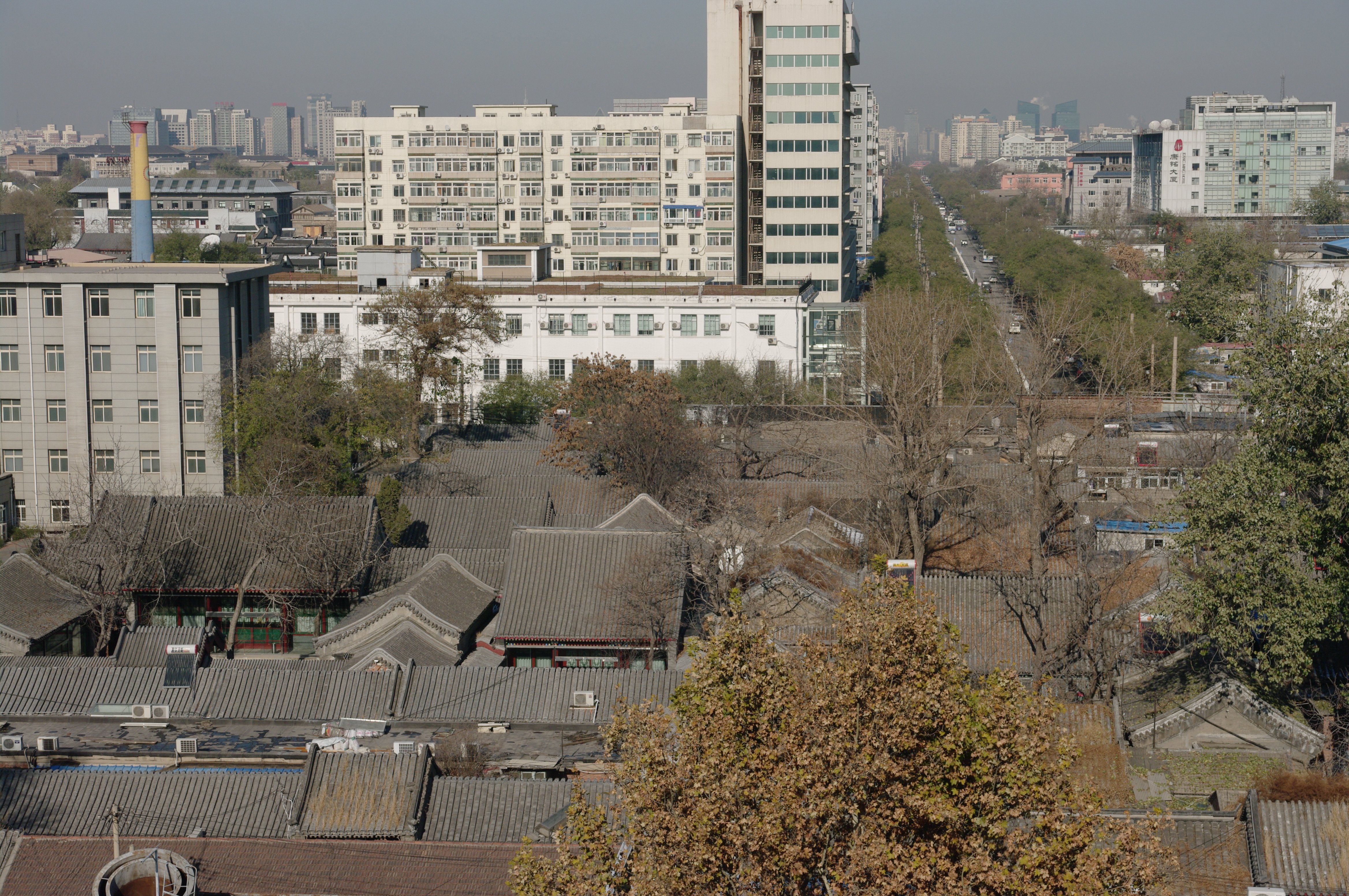
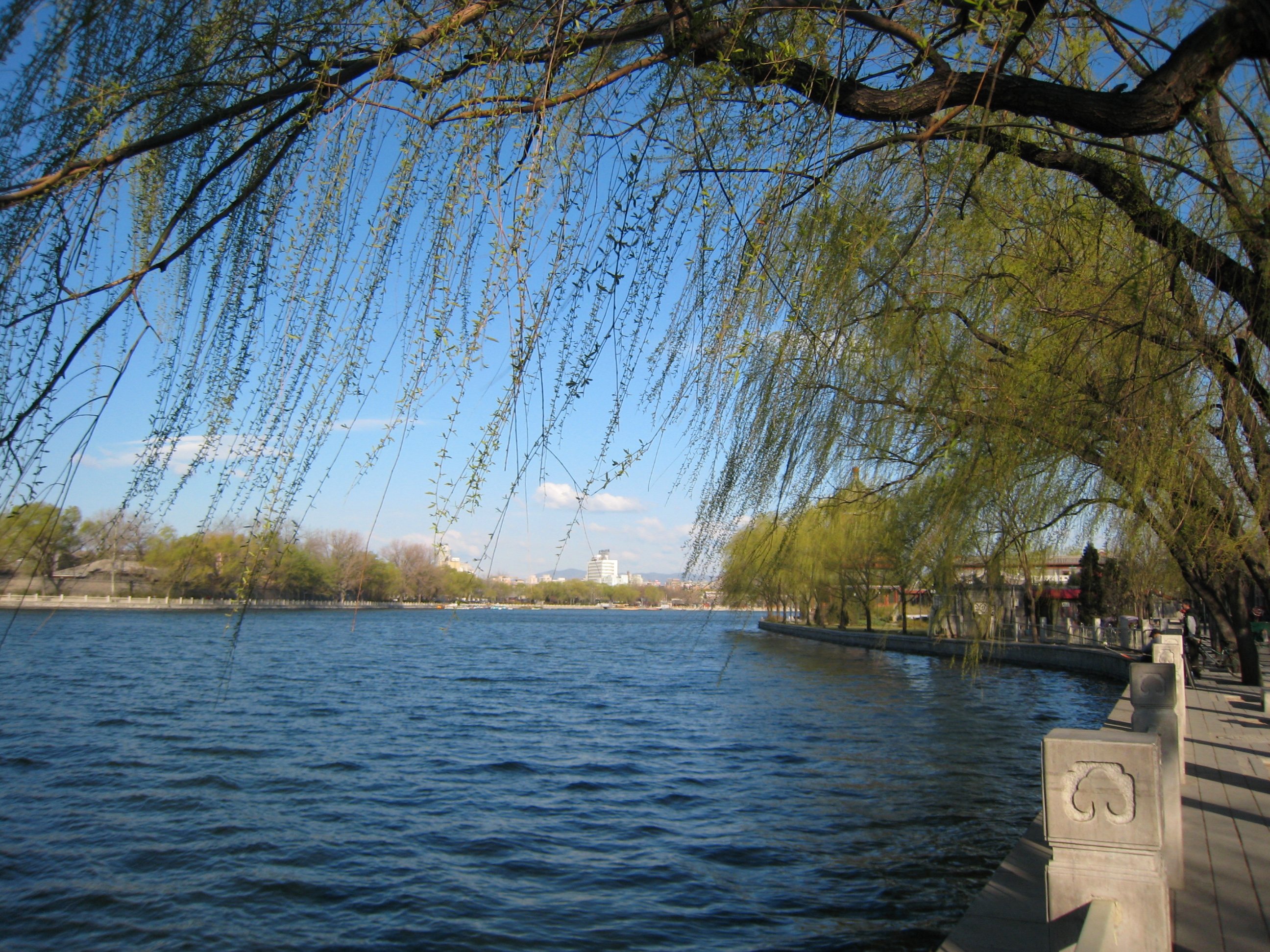
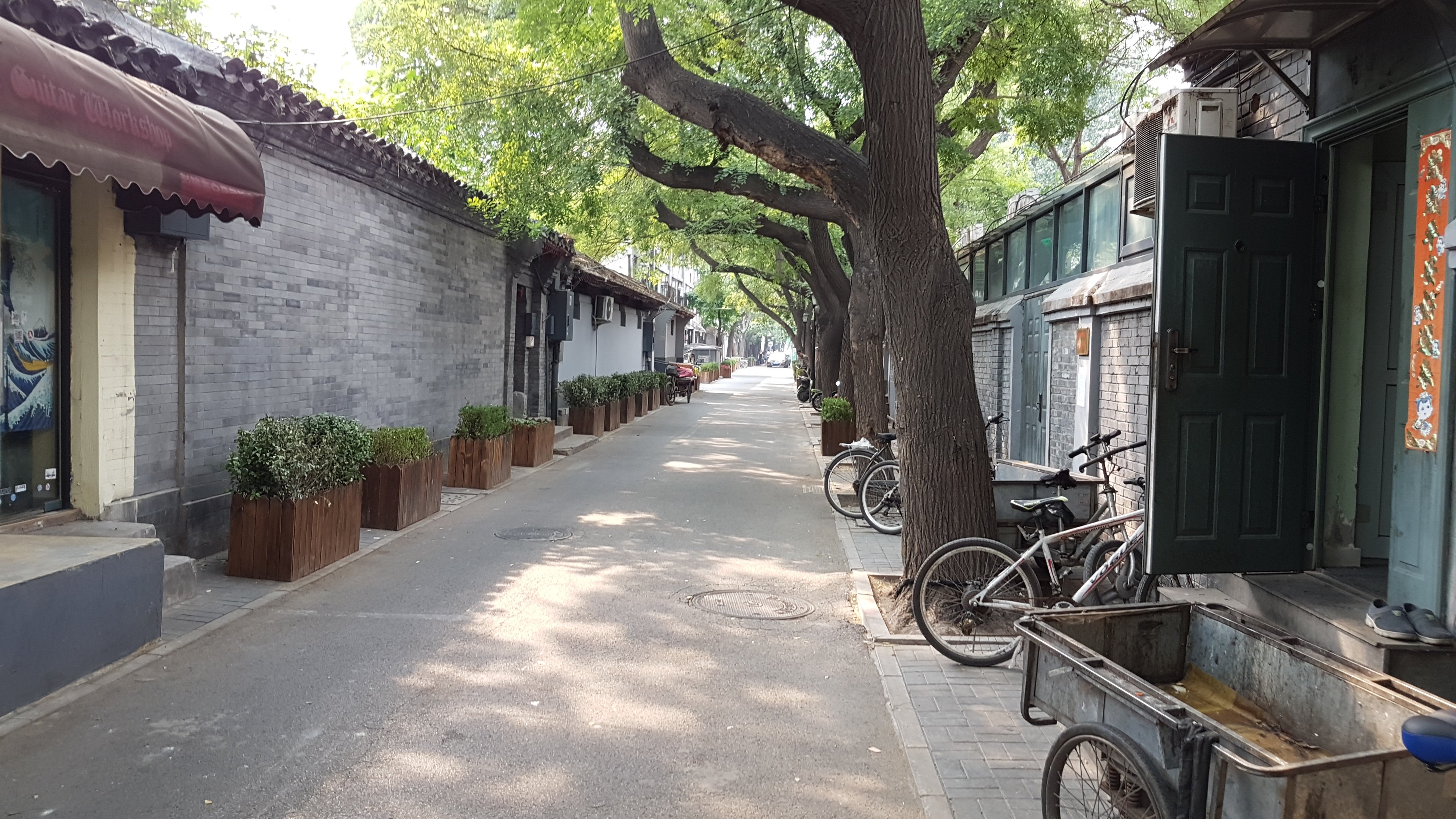
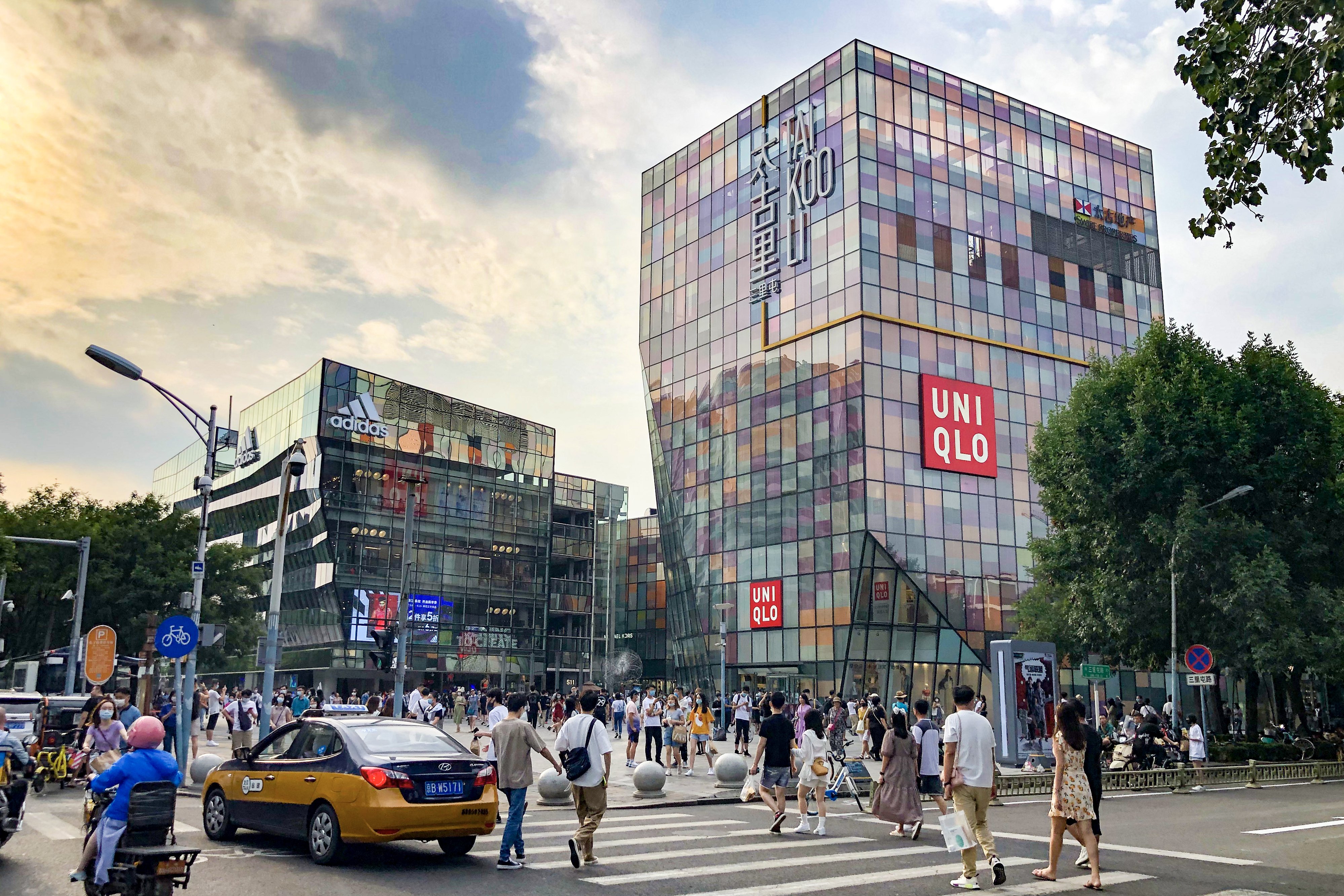
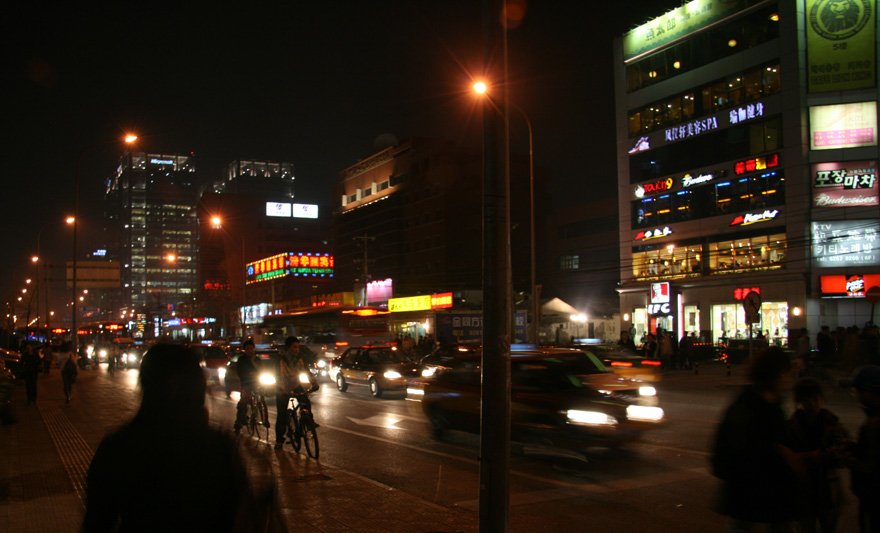
But Beijing is also the capital of the modern Chinese state, and modern Beijing is everywhere: the ring roads and tower-blocks that have swallowed most of the old city, Tiananmen Square and the great government compounds along it, the Bird's Nest and Water Cube from the 2008 Olympics, the 798 Art District. The old city is disappearing fast — what was a dense grid of grey-brick hutongs and courtyard houses thirty years ago is now mostly new buildings, with pockets of the old city preserved around Gulou, Nanluoguxiang, and the lake district at Houhai.
Beijing is a hard city to love on a short visit. It is enormous, sprawling, often polluted, and the language barrier is real. But it rewards time — a week or two spent walking the hutongs, eating Peking duck and regional cuisines, and taking day trips to the Great Wall at Jinshanling or the Ming Tombs makes it one of the most rewarding cities in Asia.