Ningxia is one of China's smallest and least-visited provinces, wedged between Inner Mongolia, Gansu, and Shaanxi in the arid northwest. It is officially the Ningxia Hui Autonomous Region — home to the country's largest concentration of Hui Muslims, whose mosques, halal restaurants, and Arabic-influenced architecture give the province a character unlike anywhere else in China.
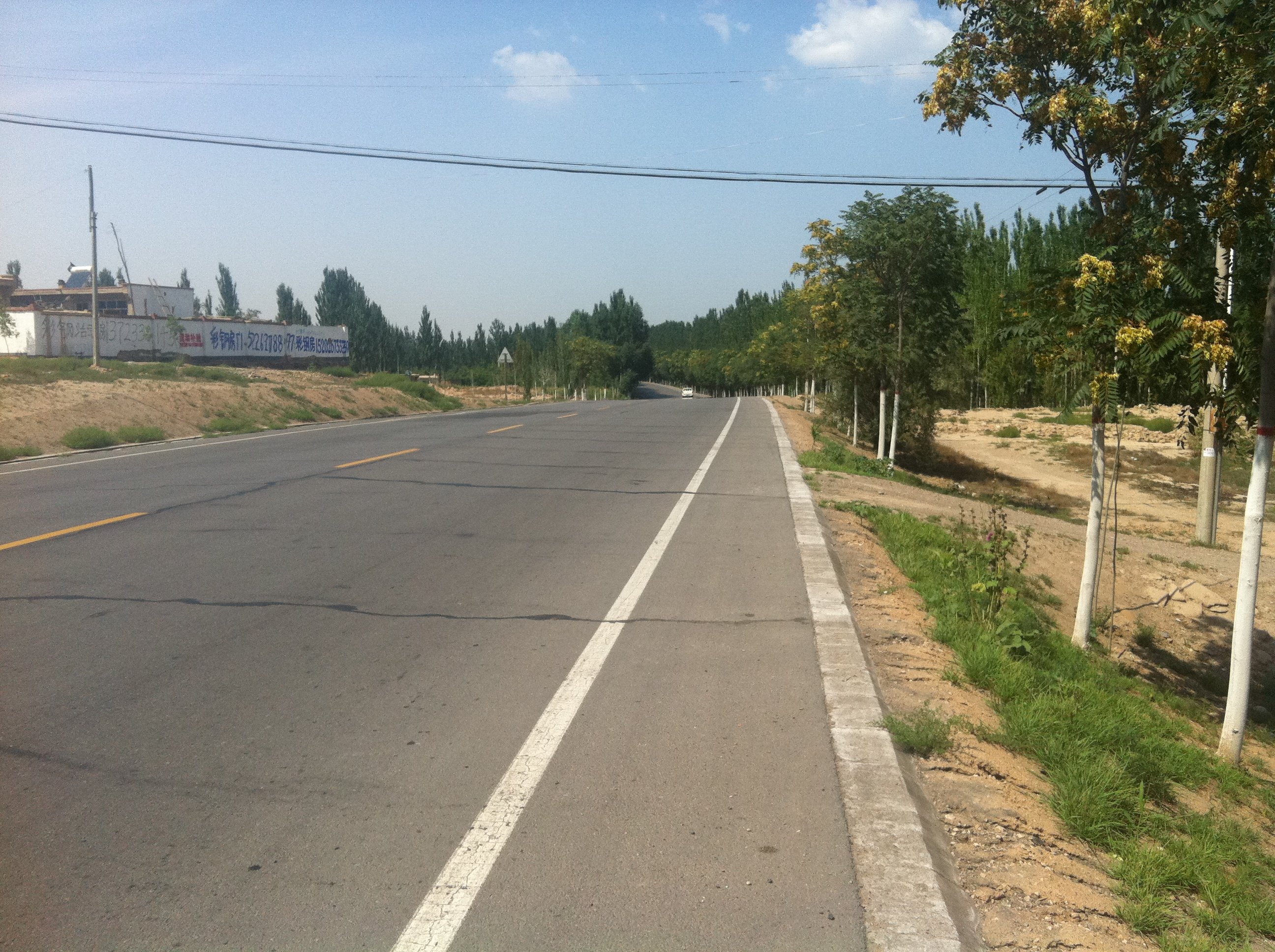
The landscape is stark and dramatic. The Yellow River cuts through the north, turning a strip of desert into irrigated farmland that has been cultivated for over two thousand years. To the west, the Helan Mountains form a natural barrier against the Tengger Desert, their gorges hiding rock carvings that date back ten millennia. South of the capital, the terrain rises into the dry, terraced hills of the Loess Plateau.
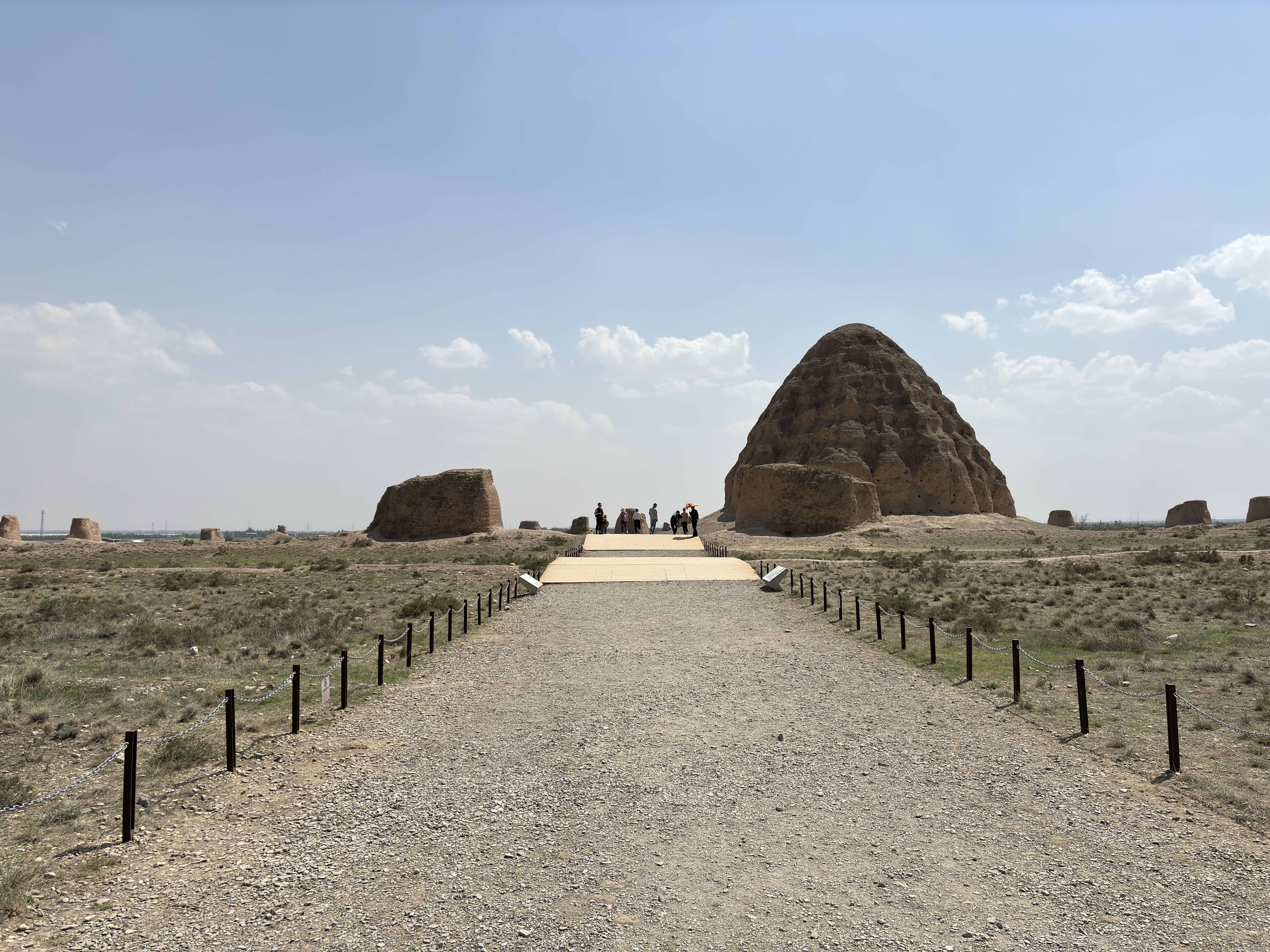
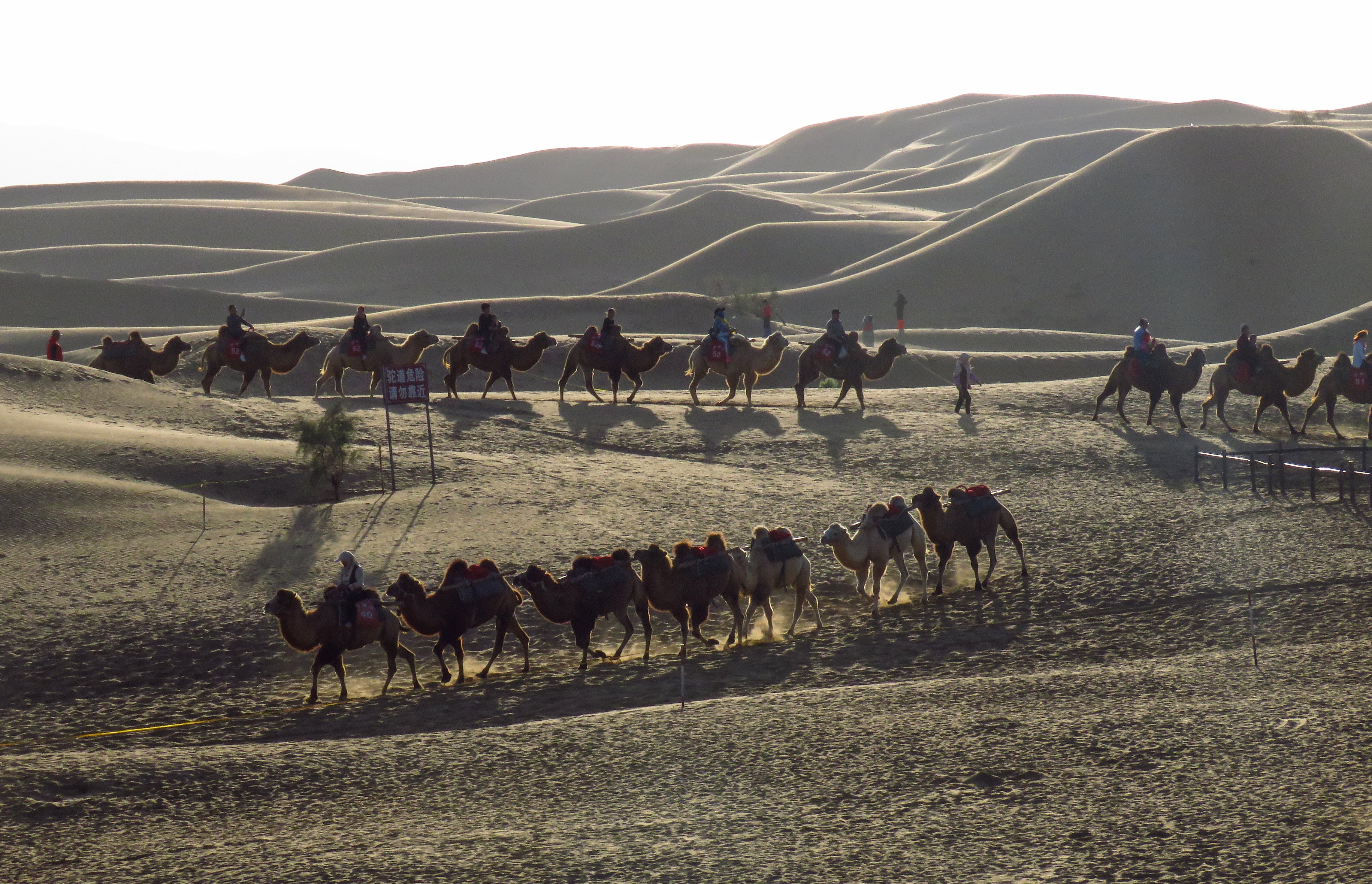
Yinchuan, the capital, is the obvious base. Beyond it, the Western Xia tombs — the imperial mausoleum of a vanished kingdom — sit in eerie isolation at the foot of the Helan range. The Shapotou Desert on the southern bank of the Yellow River offers sand dunes, camel rides, and rafting on inflated sheepskin rafts, a traditional crossing method still demonstrated for visitors.