Western Odisha district of dry hills, Chauhan-era forts, and temple sites scattered across fields
Balangir is a district in western Odisha, flanked by the Gandhamardan hills to the northwest and the rocky Mahanadi river to the northeast. It is hot, dry, and deeply historical — the kind of place where ancient temples stand quietly in fields and the past feels close to the surface.
The town was founded in the 16th century by Balaram Deo, brother of a raja of the Patna kingdom, and originally called Balaramgarh. The Chauhan dynasty ruled here for centuries, building a network of eighteen fortified territories known as Garhs. That era ended in 1948, when the princely states of Patna and Sonepur merged with Odisha.
What draws visitors today is the remarkable temple heritage scattered across the district. Ranipur Jharial, about 100 km away, is one of only four circular 64-yogini temples in India — a haunting ring of carved figures open to the sky. Patnagarh, the old Chauhan capital, has Chalukyan-style temples dating to the 12th century.
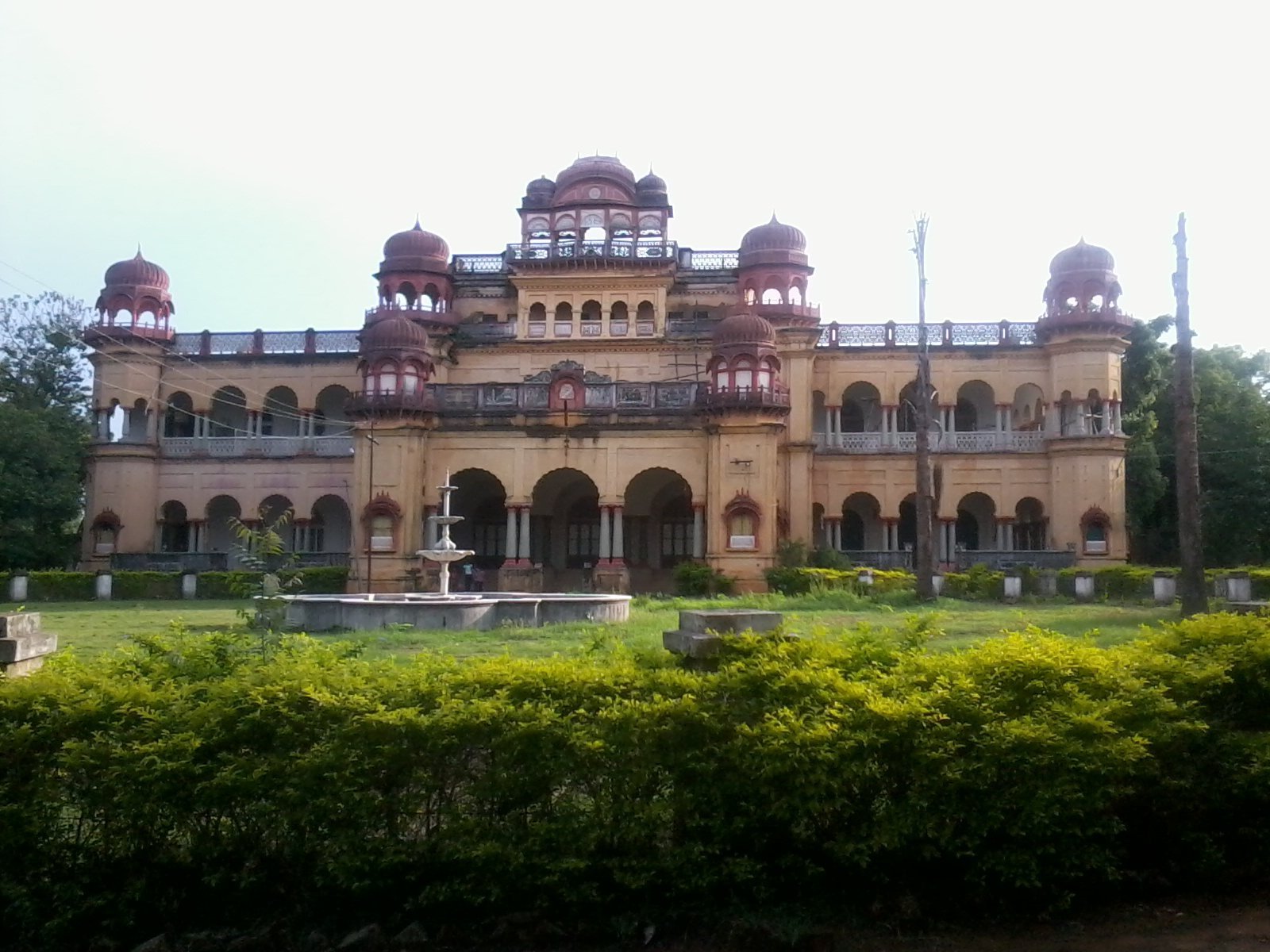
Balangir town itself is one of the larger commercial centres in western Odisha. The main language here is Koshali, and the district is known for its Sambalpuri handloom sarees and terracotta work. The Patneswari Temple and Samaleswari Temple anchor the town's religious life, while Sailashree Palace is a remnant of its royal past. Be warned: summers are brutal, with temperatures regularly pushing past 45 degrees Celsius.
Guide
Day Trips
The district around Balangir rewards a day or two of exploration. The star attraction is Ranipur Jharial, about 100 km away, one of only four circular 64-yogini temples in India. The site consists of a ring of carved female figures open to the sky, surrounded by around 50 other temples in various states of preservation. It is haunting in a way that the more-visited sites rarely are.
Patnagarh, about 70 km from Balangir, was the old capital of the Patna kingdom. The town has a concentration of Chalukyan-style temples dating to the 12th century, including the notable Pataneswari Temple. It is a quieter, less-visited alternative to the better-known temple towns of coastal Odisha.
Turekela, about 98 km northeast, sits at the edge of a forest reserve and offers simple accommodation for wildlife enthusiasts. Sightings of tigers, leopards, and deer are possible, though the facilities are basic and advance arrangement is advisable.
Guide
Getting There
Balangir Junction railway station connects the town to Raipur in Chhattisgarh to the northwest and to the Odisha rail network to the east. Trains to Sambalpur (around 3 hours) and onward to Bhubaneswar run regularly, though journey times are long and services are infrequent compared to major rail corridors. The station is one of the main transport hubs in western Odisha.
By bus, Balangir is connected to Bhubaneswar (roughly 6–7 hours), Sambalpur (3–4 hours), and Raipur. State-run OSRTC buses and private operators serve these routes. The bus stand is near the centre of town.
The nearest airport is Veer Surendra Sai Airport at Jharsuguda, about 120 km away, with limited flights connecting it to a few Indian cities. Most visitors arrive by train or road.