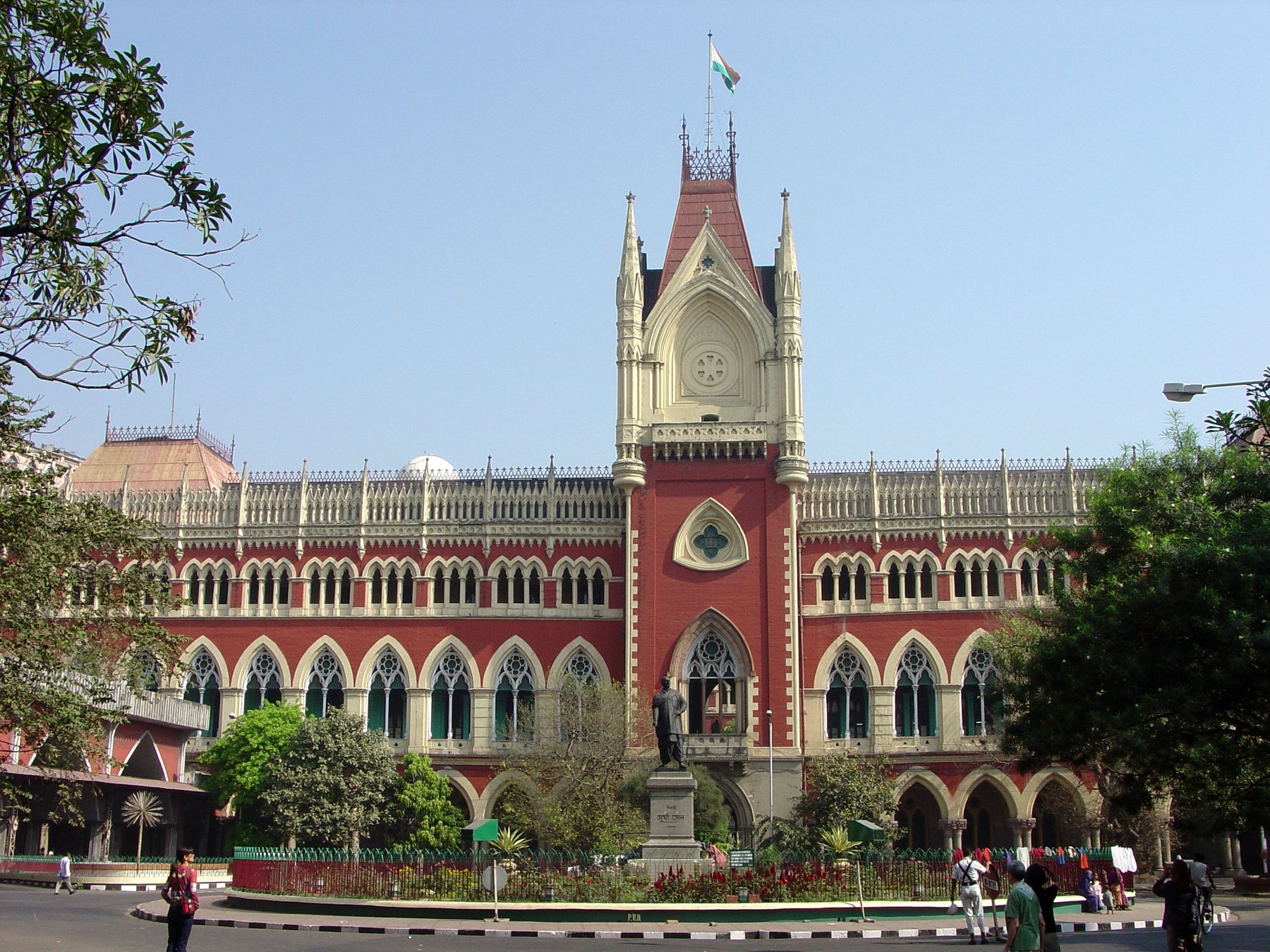
Kolkata (formerly Calcutta) is one of India's great and complicated cities — a former imperial capital that still carries the grandeur and the wounds of that history in equal measure. It sits in the Ganges delta in West Bengal, and its position as the East India Company's main port made it the richest city in Asia for a century before Delhi took over as the British administrative centre in 1911. The old wealth shows in the colonial architecture along the Strand and around Dalhousie Square, and the relative decline since then shows everywhere else.
The city has a strong identity built on literature, music, and political argument. It produced Rabindranath Tagore, the first non-European Nobel laureate for literature, and has given Bengali culture an outsized place in Indian intellectual life. The coffee houses of College Street, where students and writers have argued over everything since the early 20th century, are still full. The Durga Puja festival in October transforms the entire city into an open-air art installation — thousands of temporary temples, each with its own elaborate theme — and is one of the most extraordinary spectacles in South Asia.
The practical Kolkata takes some adjustment. The heat is ferocious for most of the year; the infrastructure is worn. The Metro is one of India's oldest and covers the main tourist corridor between the airport and the south. The rest of the city is best navigated by yellow Ambassador taxis, auto-rickshaws, or the hand-pulled rickshaws that still operate in some older neighbourhoods. The food is the city's great consolation: Bengali cuisine — mustard-spiked fish curries, slow-cooked mutton, the sweets of Mishti Doi and Sandesh — is remarkable, and the neighbourhood sweet shops (mishti dokan) are one of Kolkata's genuine pleasures.
Asia > India > Kolkata