Asia > India > West Bengal
West Bengal is one of India's most culturally rich states, stretching from the Himalayan foothills in the north to the mangrove-laced Bay of Bengal coast in the south. It is the birthplace of the Bengali Renaissance, the intellectual flowering of the 19th century that produced Rabindranath Tagore, Ram Mohan Roy, and Swami Vivekananda — names that still shape the character of the state today.
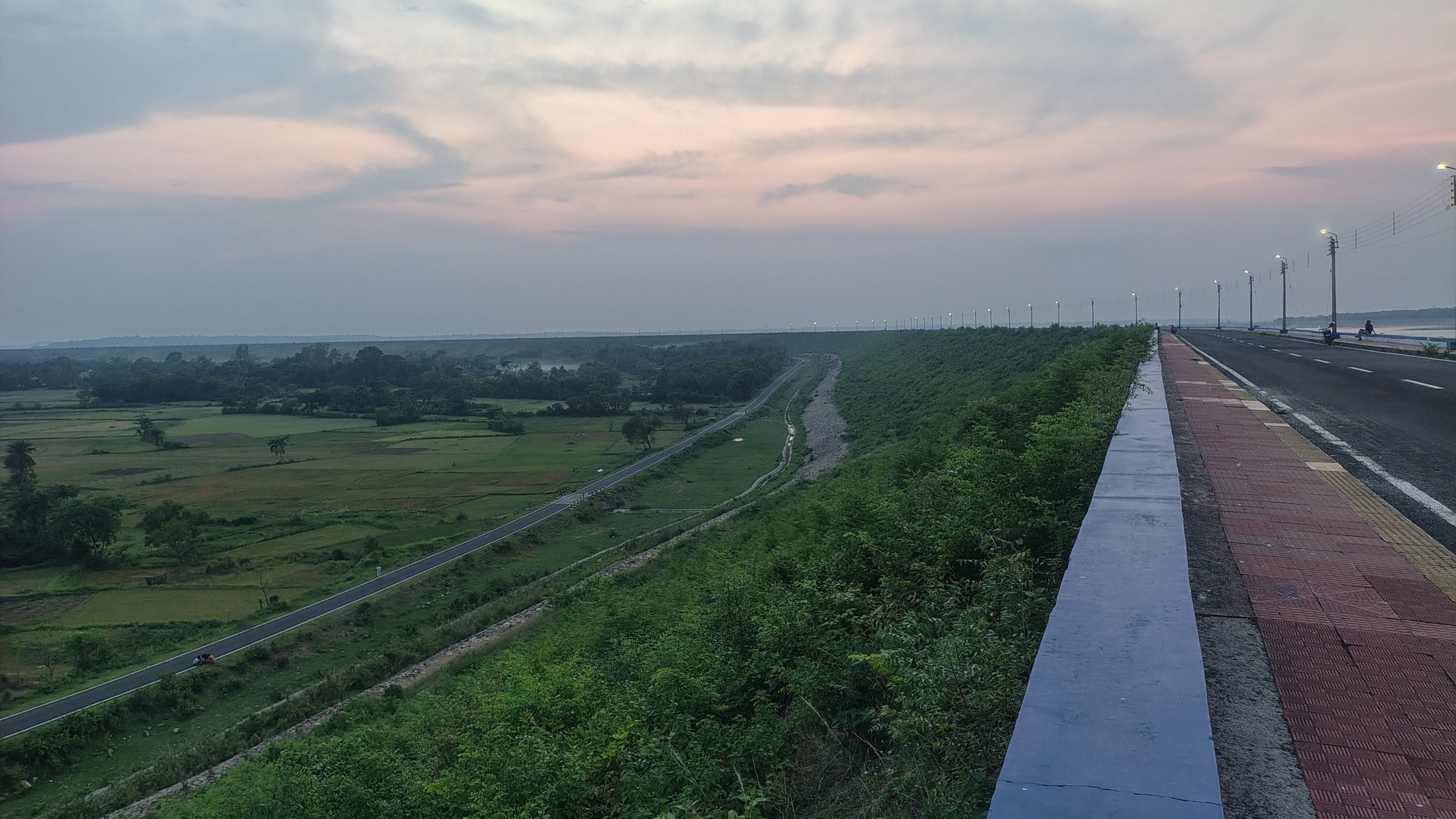
The state divides roughly into three distinct zones. In the north, Darjeeling and Kalimpong cling to the Himalayan ridges at elevations above 2,000 metres, wreathed in tea gardens and cloud. The central plains — rice-farming country, industrial cities like Durgapur and Asansol, and the sacred towns of Nabadwip and Krishnanagar — are quintessentially Bengali in feel. The south is dominated by Kolkata (Calcutta), the state capital, and the Sundarbans delta, the world's largest mangrove forest and home to the Bengal tiger.
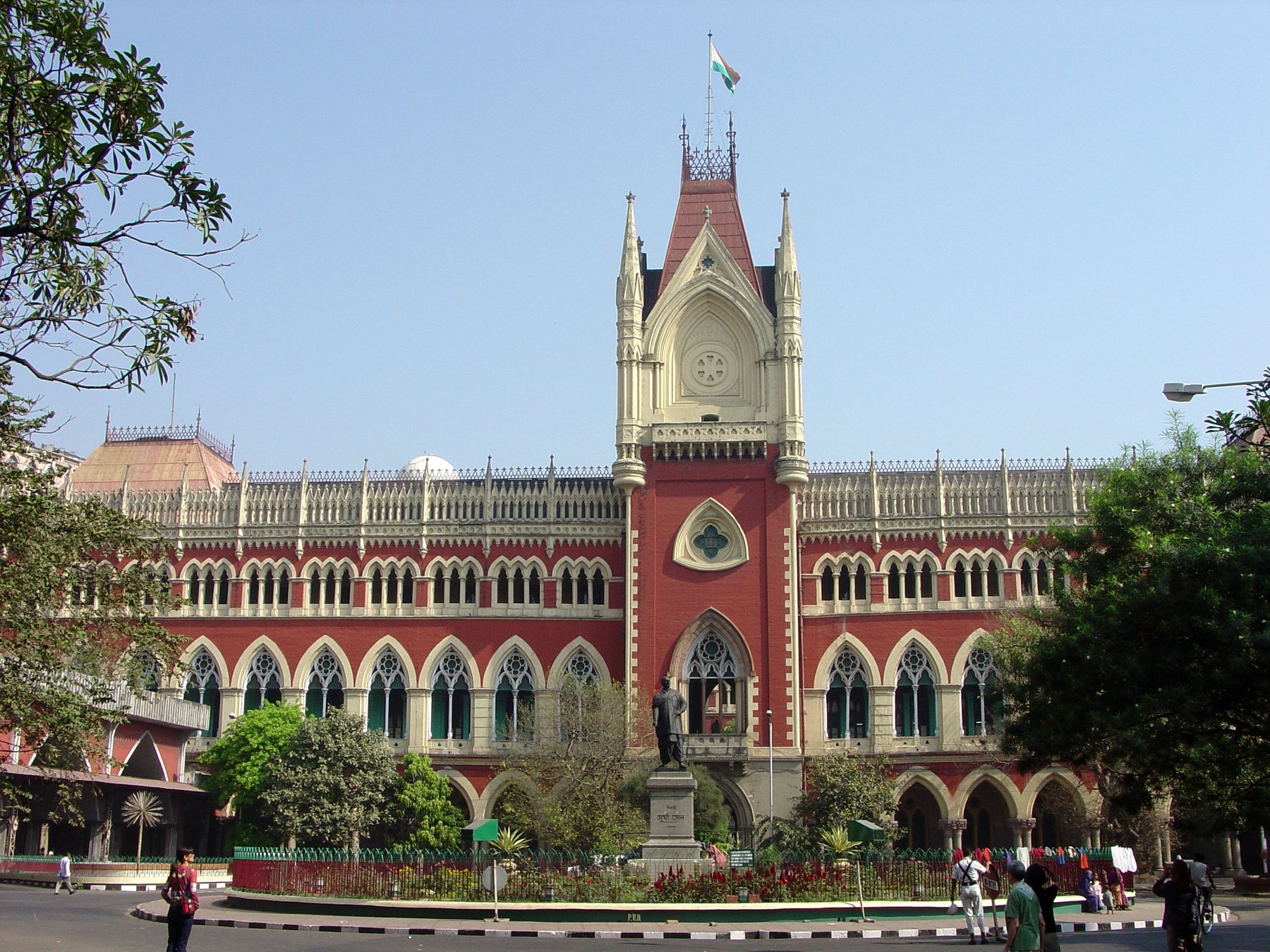
Kolkata is the obvious centre of gravity. Once the capital of British India, it remains a city of extraordinary intellectual and artistic energy, famous for its bookshops, coffee houses, Durga Puja celebrations, and a street food culture that obsessives argue is the best in the subcontinent. It rewards slow travel — the kind where you spend an afternoon at a hand-pulled rickshaw crossing or watching cricket on the Maidan.
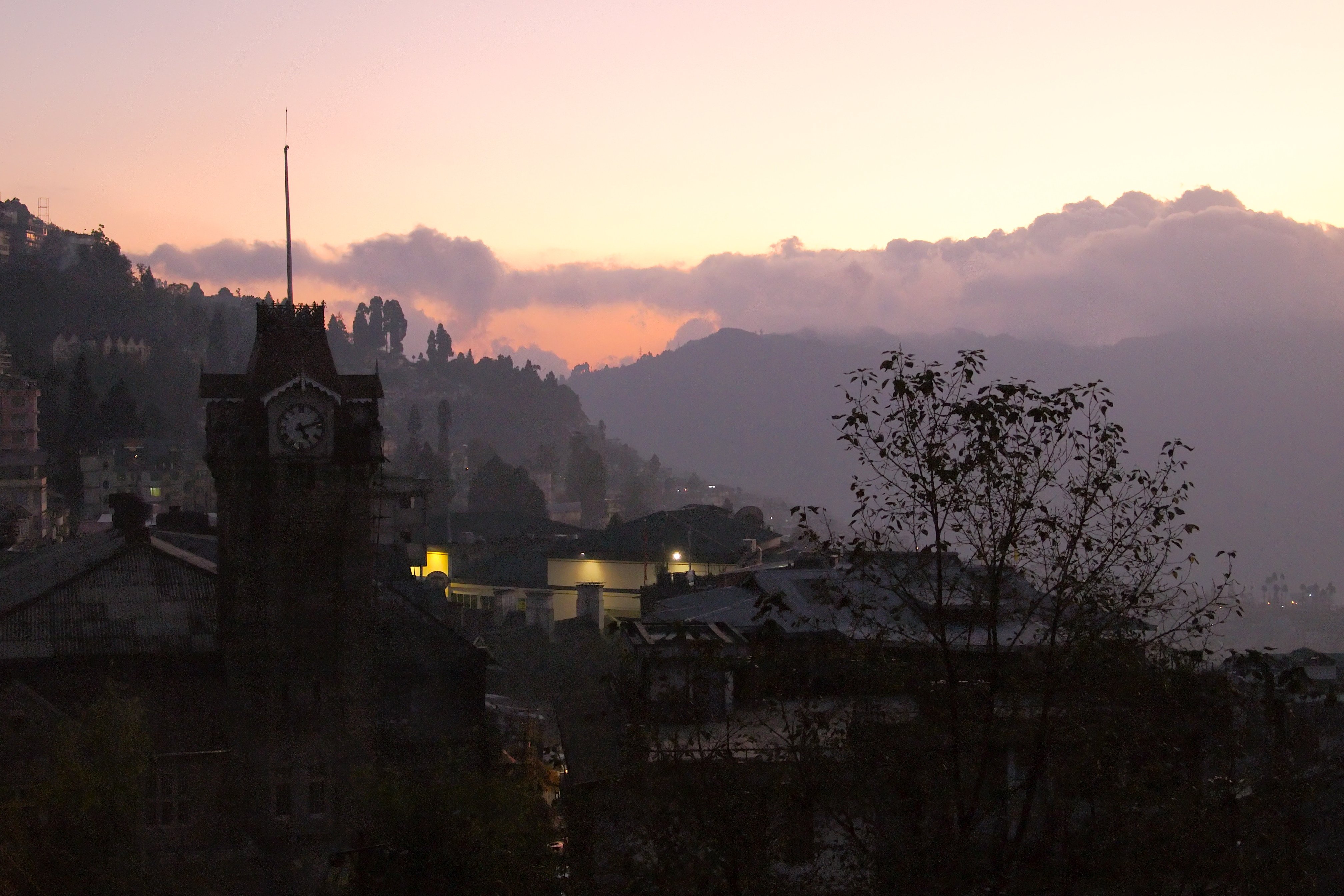
Darjeeling is the state's other great draw: a hill station built by the British to escape the plains heat, now famous worldwide for its tea. The Toy Train, a UNESCO-listed narrow-gauge railway from Siliguri, is still one of the finest ways to arrive. Kalimpong, further east, is quieter and less visited, with Buddhist monasteries and a flower-growing tradition.
The coast draws Bengali holidaymakers in large numbers. Digha is the most popular beach, 187 km from Kolkata and often crowded on weekends. Quieter alternatives include Mandarmani, a long stretch of beach reachable by car along the sands at low tide, and the fishing harbour at Shankarpur. Bakkhali is more remote, accessible via ferry across the Hatania Doania river.
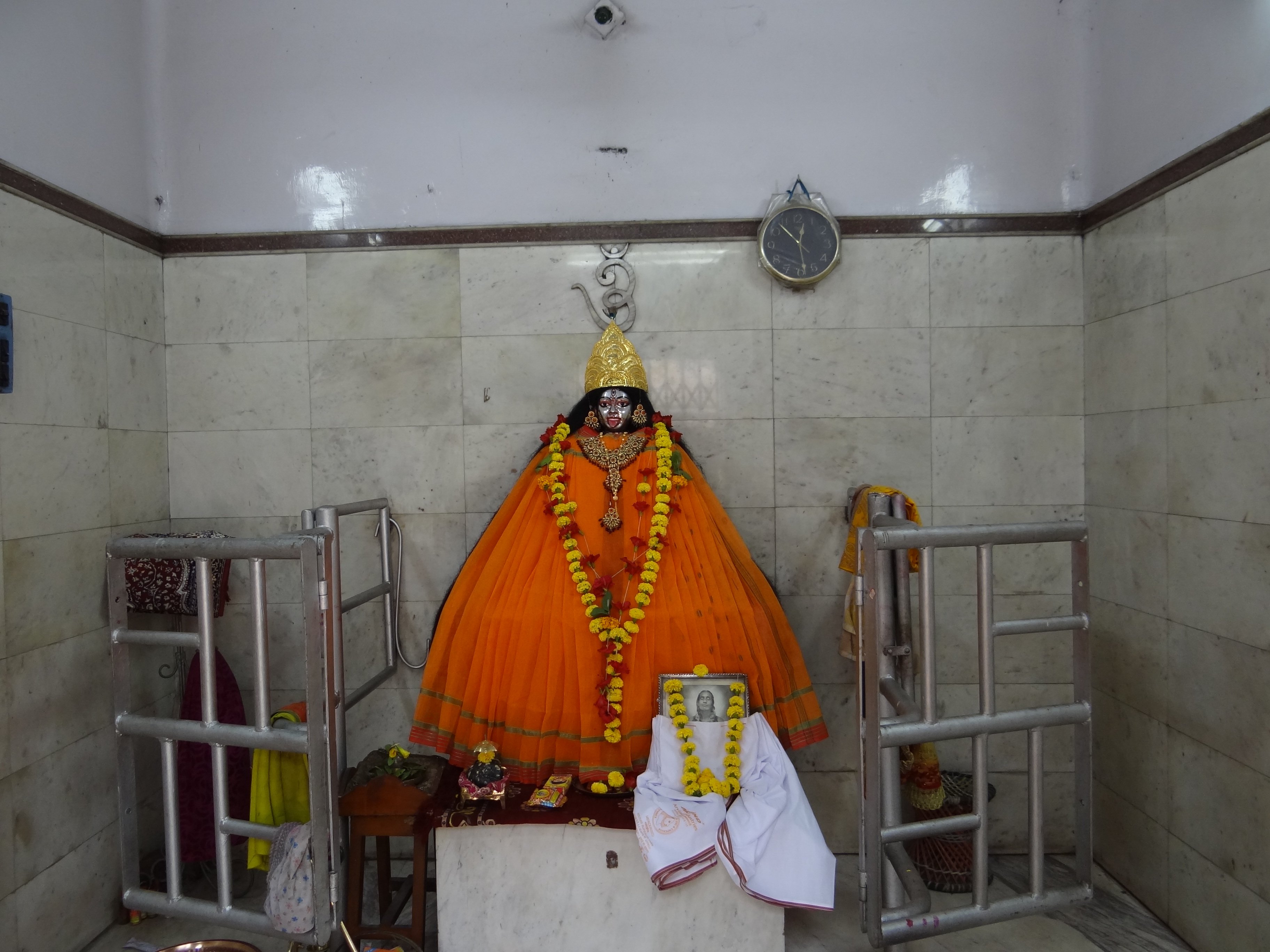
Inland, the pilgrimage town of Tarapith in Birbhum district draws Tantric Hindu pilgrims to its temple of goddess Tara and the cremation grounds where the saint Bamakhepa once lived. Krishnanagar is worth a detour for its Ghurni neighbourhood, where Patra families have made clay figurines for centuries. Nabadwip is a centre of Gaudiya Vaishnavism and the birthplace of Chaitanya Mahaprabhu.
West Bengal is largely safe for independent travellers. Bengali hospitality is genuine and the state has a long history of welcoming outsiders. The Bengali language is essential for getting around outside Kolkata, though English is widely understood in cities and tourist areas.
Destinations
- Calcutta (Kolkata) — the state capital; former imperial city, cultural powerhouse
- Darjeeling — Himalayan hill station; tea, the Toy Train, mountain views
- Kalimpong — quieter hill town near the Sikkim border; monasteries, orchids
- Cooch Behar — North Bengal princely town with a grand palace and old tanks
- Bardhaman — Raj-era city with ceremonial gates, garden tanks, and terracotta temples
- Digha — popular Bay of Bengal beach resort
- Mandarmani — low-key beach with cars driving on the sand at low tide
- Bakkhali — remote beach resort near the Sundarbans
- Tarapith — Tantric temple town in the Birbhum plains
- Nabadwip — Vaishnava pilgrimage city; birthplace of Chaitanya
- Krishnanagar — clay sculpture tradition of Ghurni
- Asansol — industrial city in the Chota Nagpur coalfields
- Durgapur — the "Ruhr of India"; steel city on the Damodar River