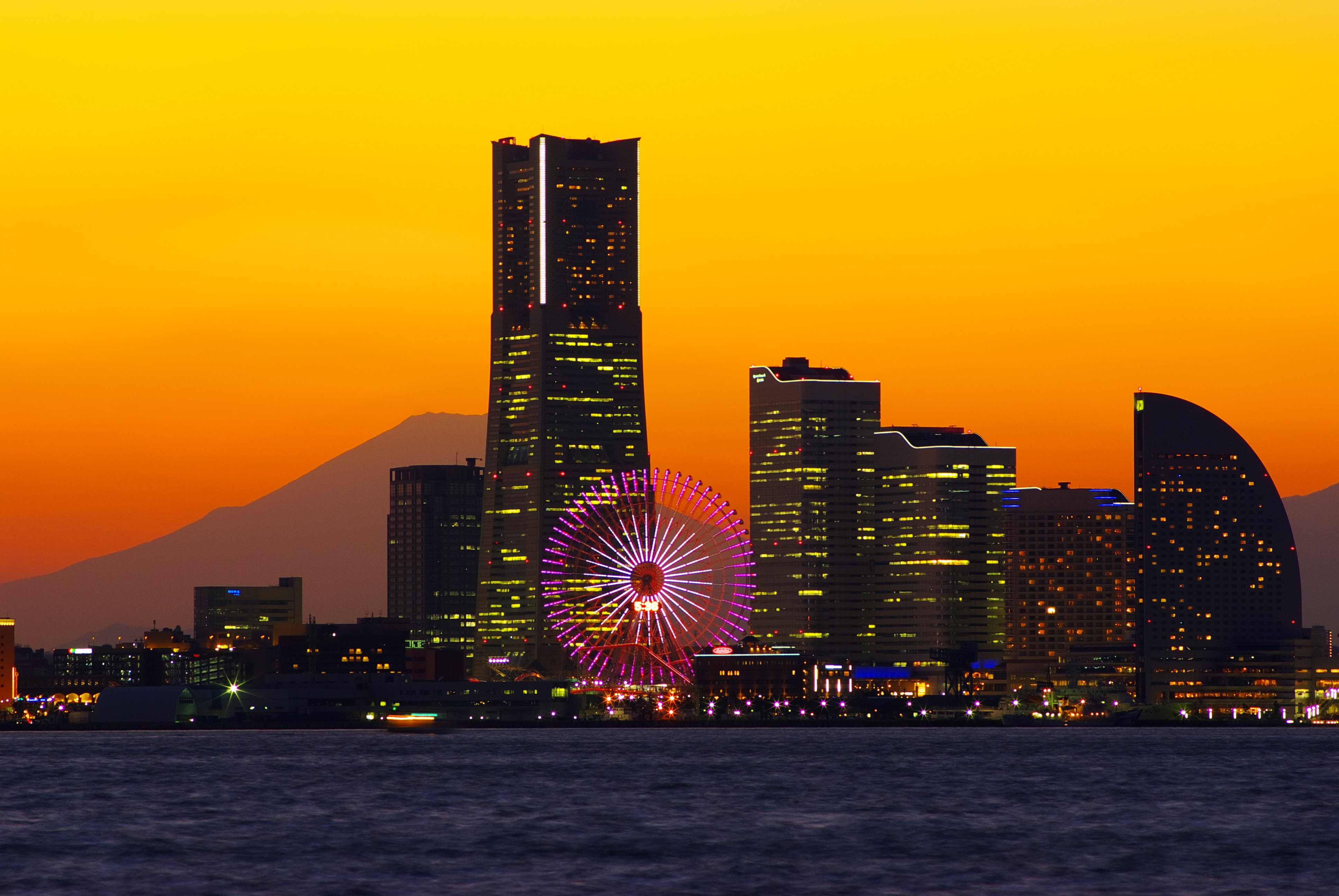
Mount Fuji is Japan's highest mountain at 3,776 metres (12,388 ft) and its most recognisable landmark — a near-perfect volcanic cone visible from Tokyo on clear days. It was designated a UNESCO World Heritage Site in 2013, notably as a cultural site rather than a natural one, reflecting centuries of influence on Japanese art, literature, and spiritual practice.
Around 300,000 people climb to the summit each year during the official season from early July to mid-September. Four trails lead to the top: the Yoshida Trail on the north side is the most popular and best-served by mountain huts, while the Fujinomiya, Subashiri, and Gotemba routes offer quieter alternatives. Most climbers start from the fifth station and aim for a sunrise summit.
Outside climbing season, the Fuji Five Lakes area on the mountain's northern flank is worth a visit in its own right. Lake Kawaguchiko is the most accessible and offers some of the best views of the mountain, particularly in autumn when the maples turn. The area is an easy day trip from Tokyo, about two hours by bus.