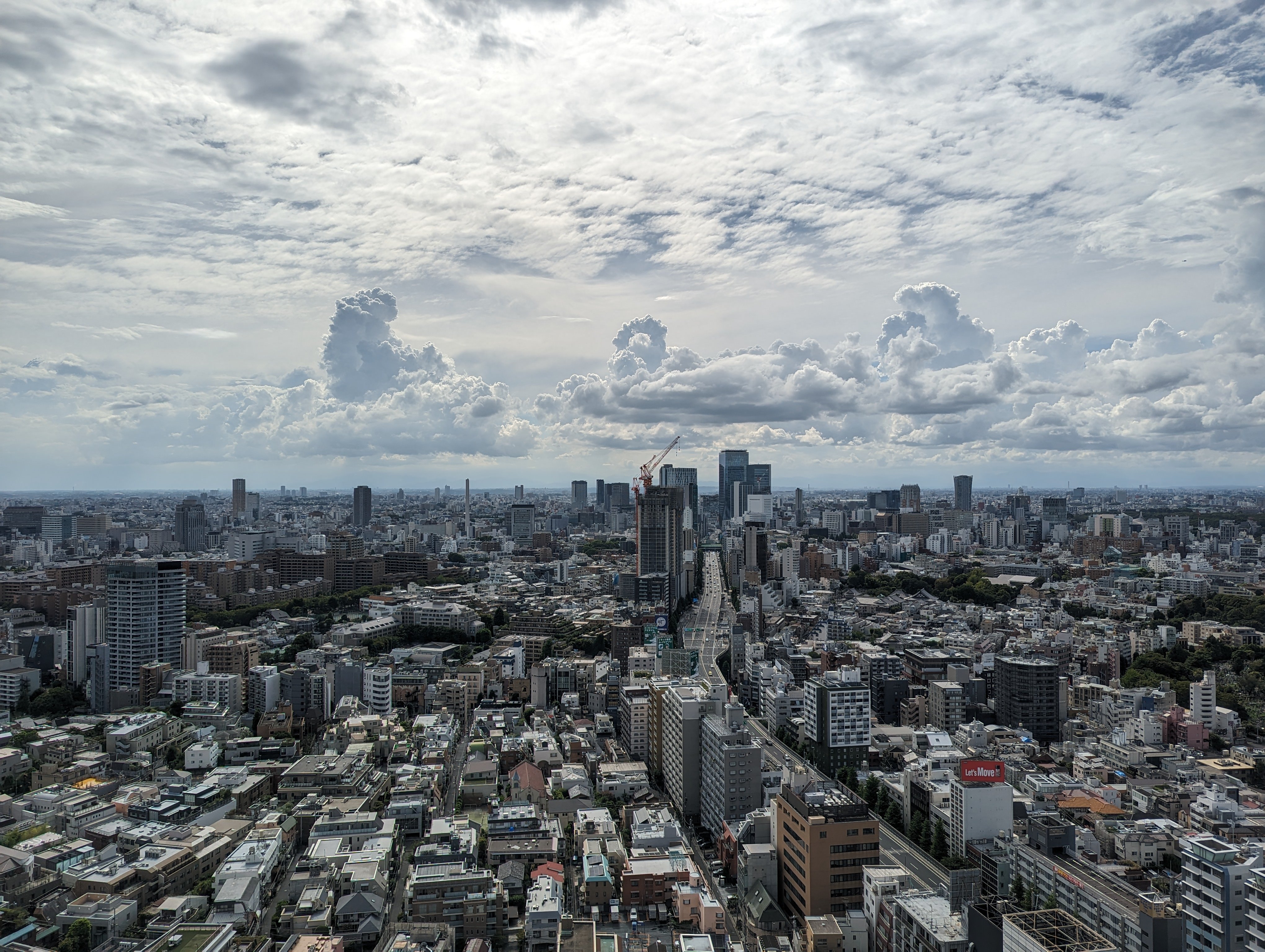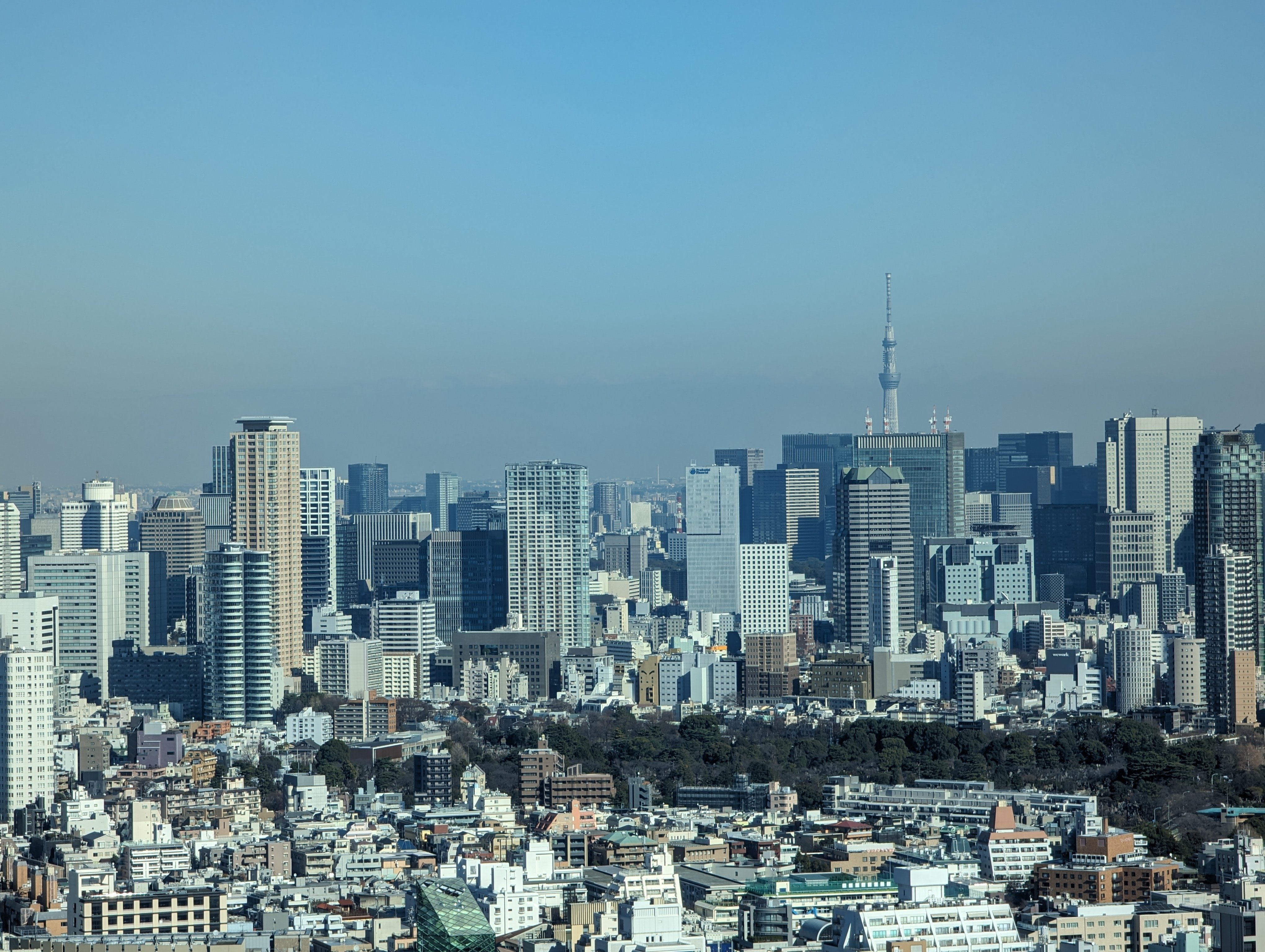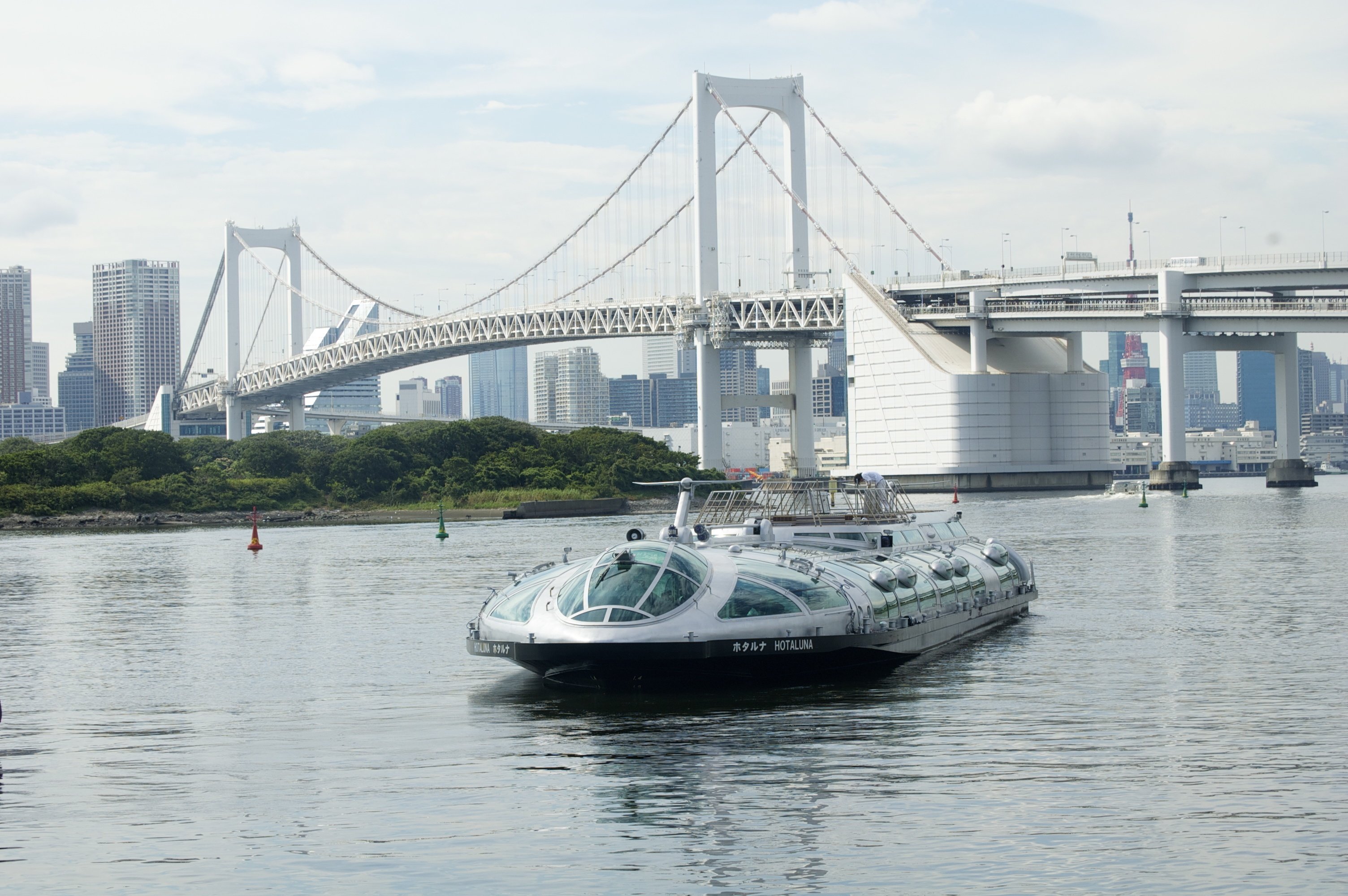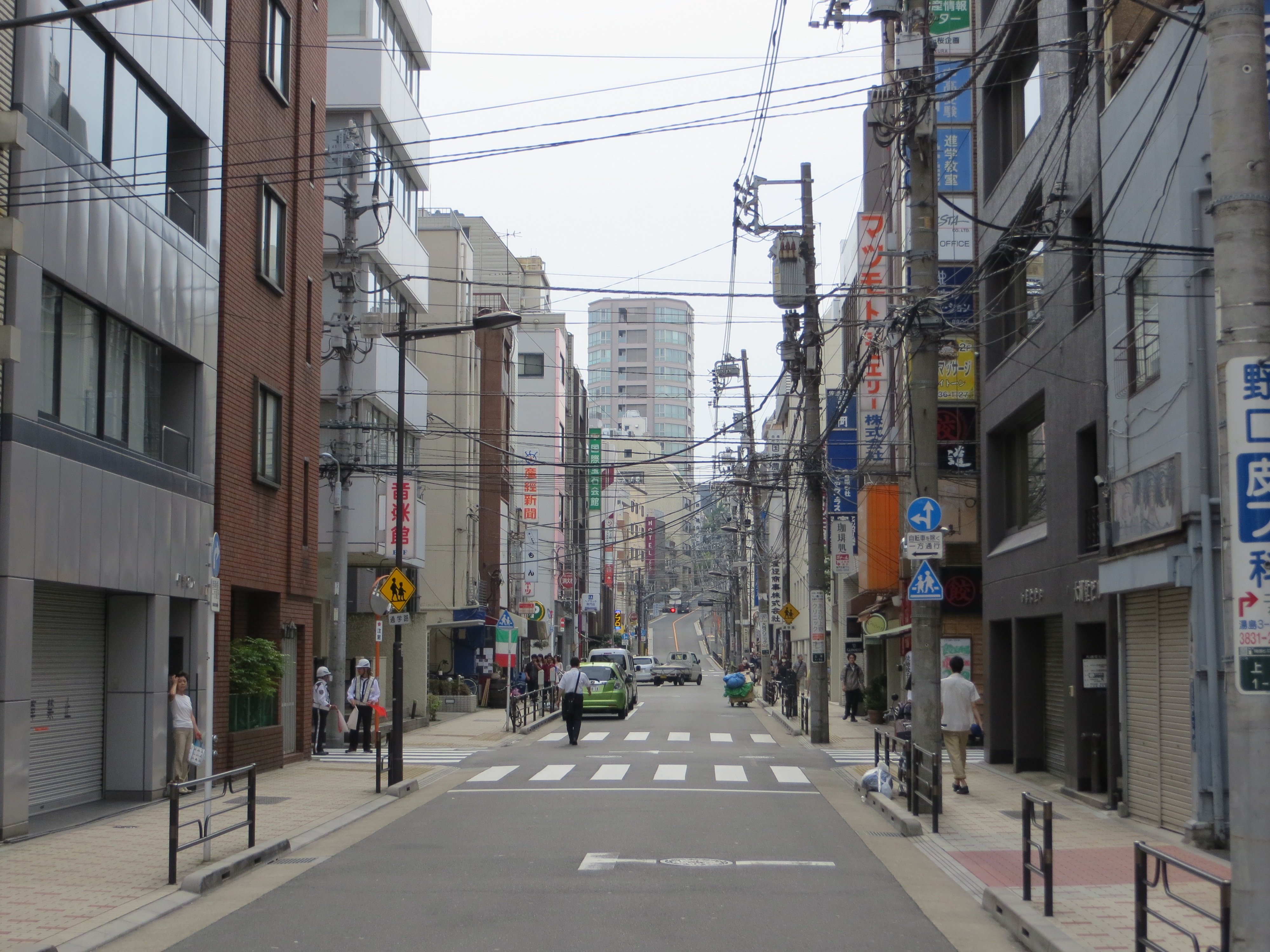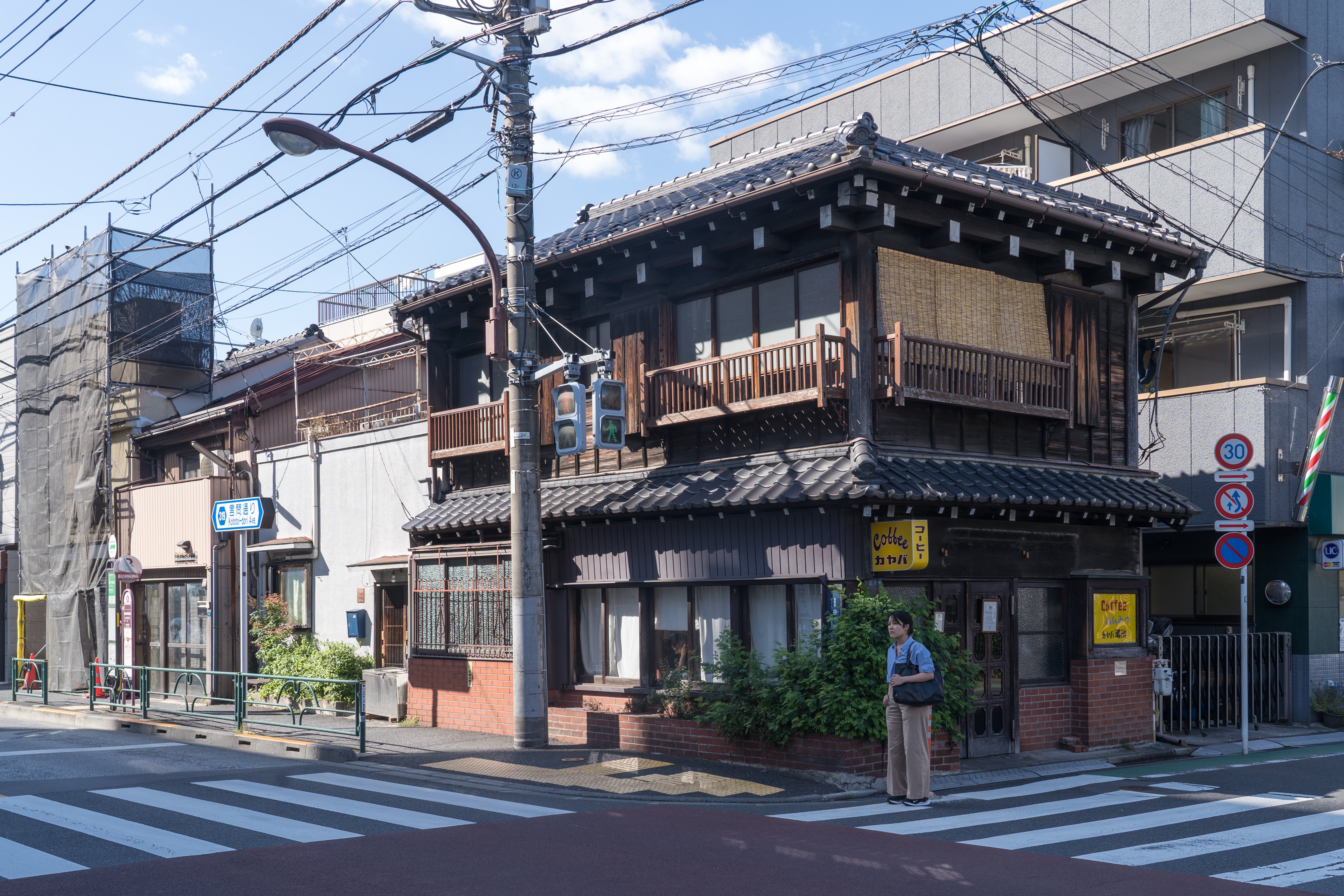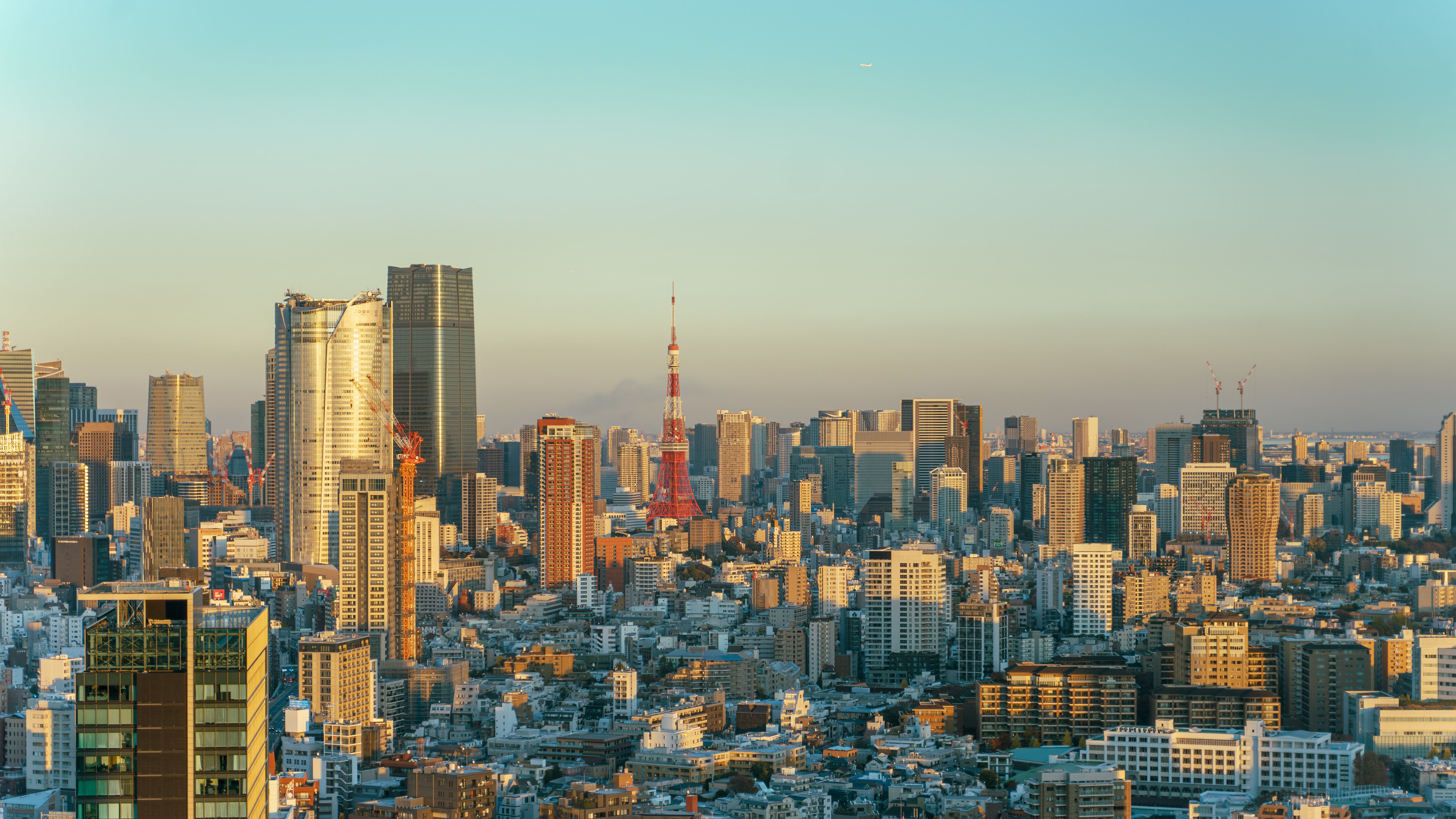
Tokyo is the largest city on earth and one of the most rewarding to visit: dense, efficient, safe, endlessly inventive in food and design, and capable of surprising you every few blocks. The scale is overwhelming at first — roughly 37 million people in the greater metropolitan area — but the city is organized around distinct neighbourhoods, each with its own character, and the subway system is good enough that you can move between them quickly.
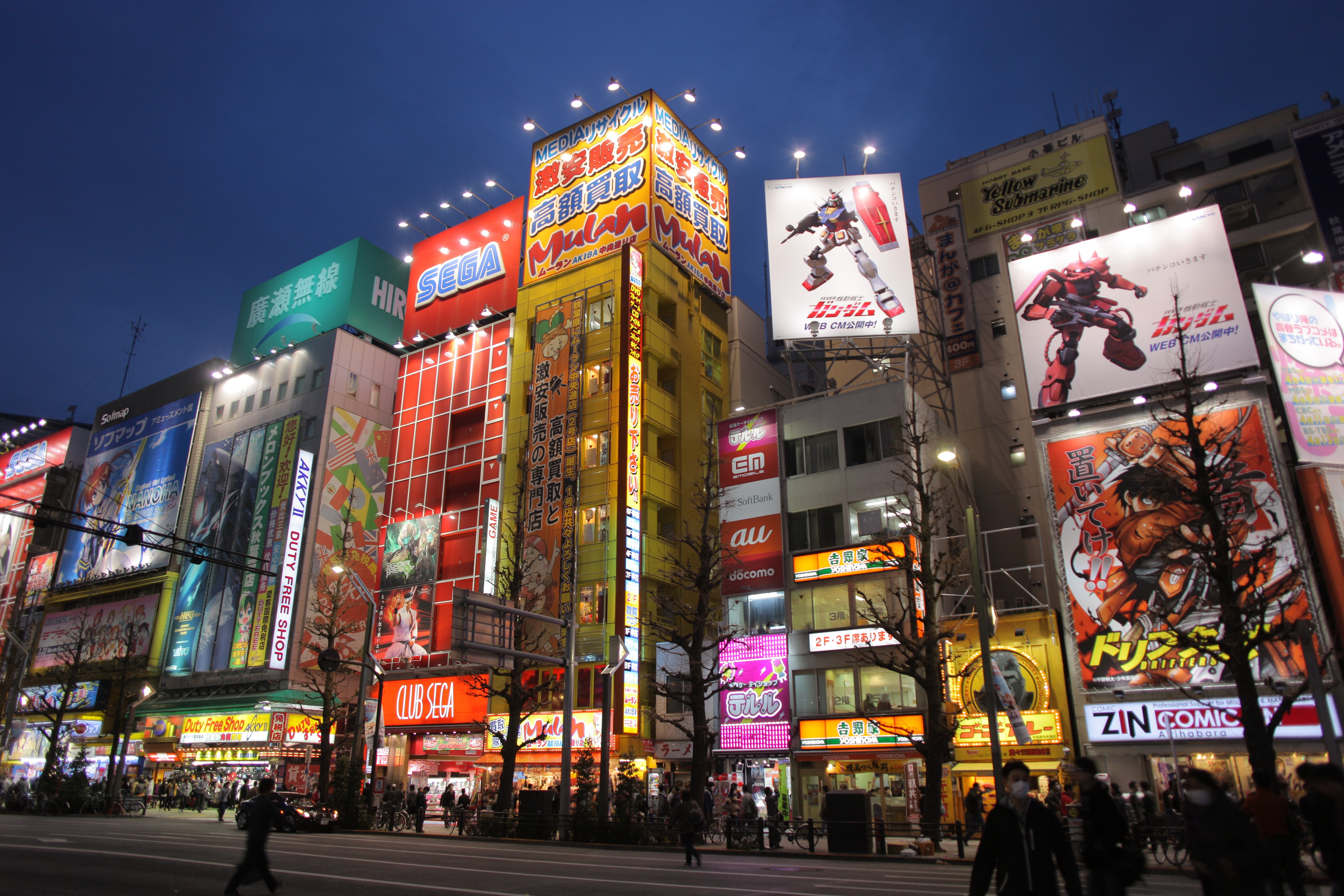
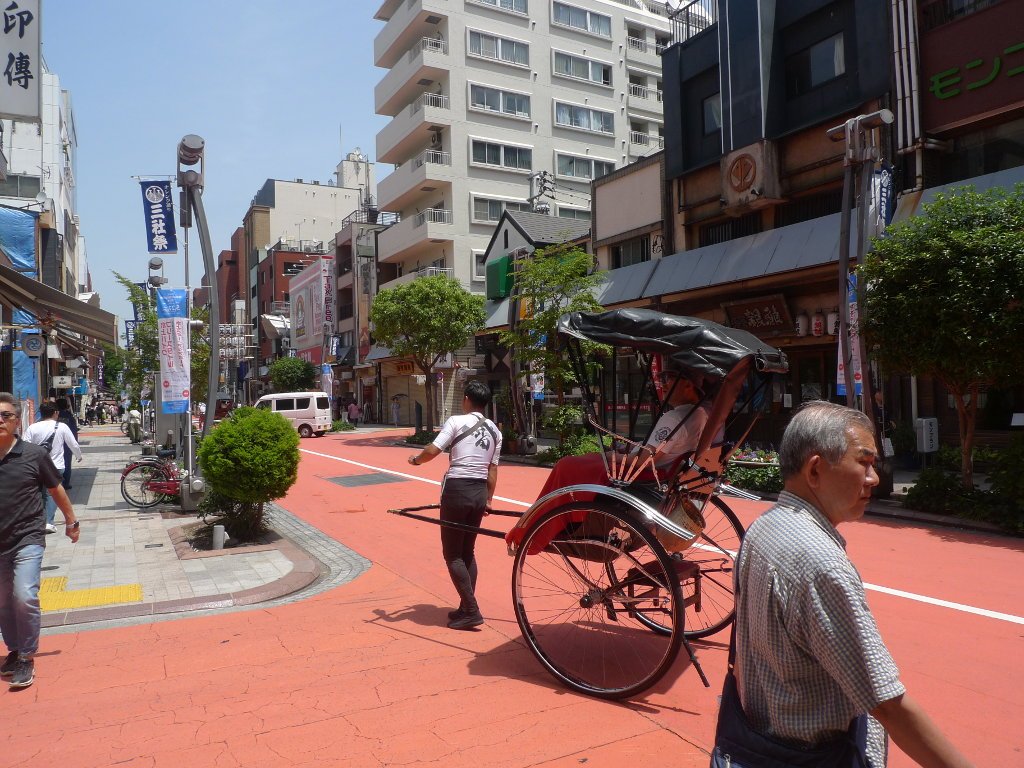
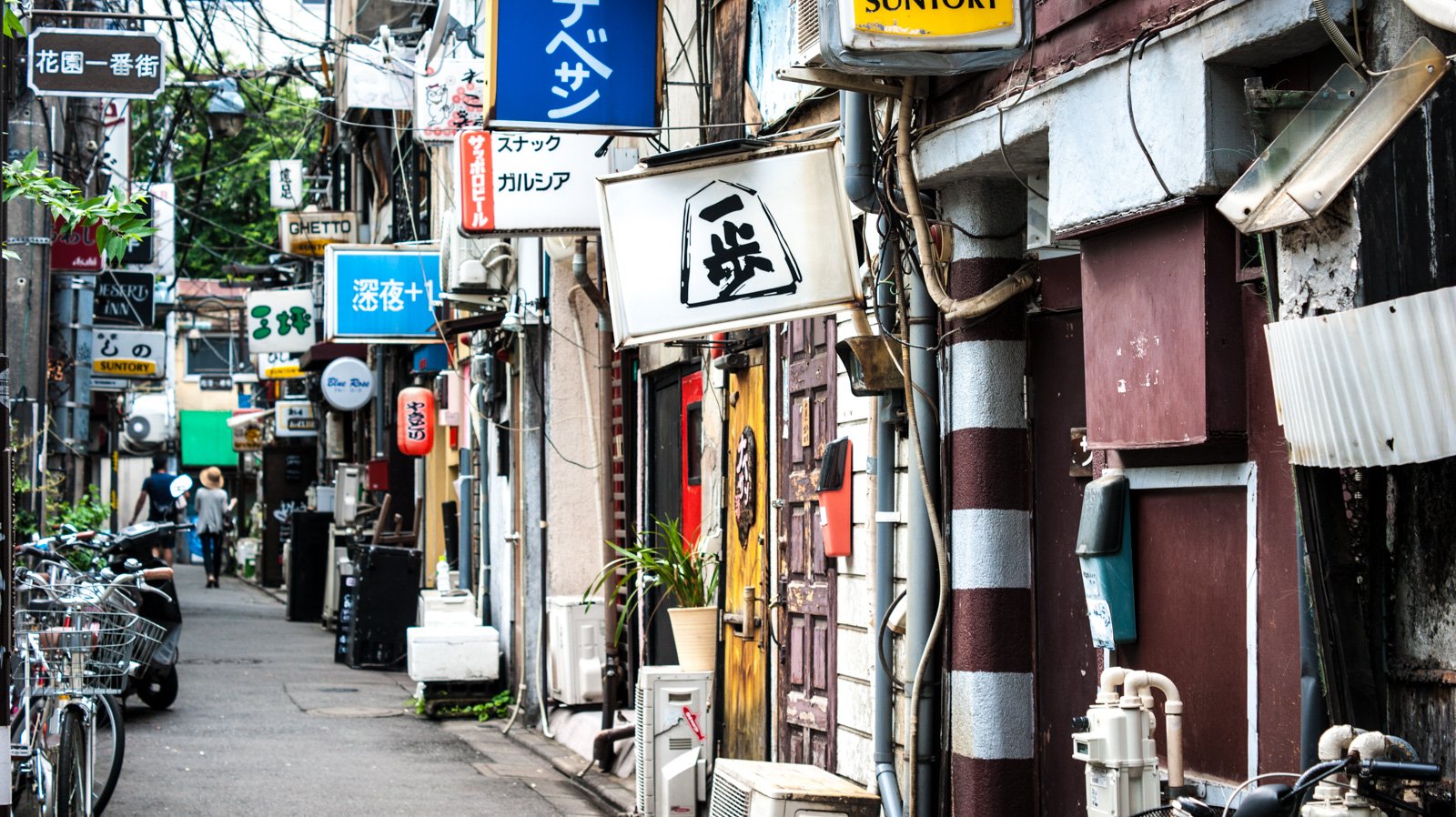
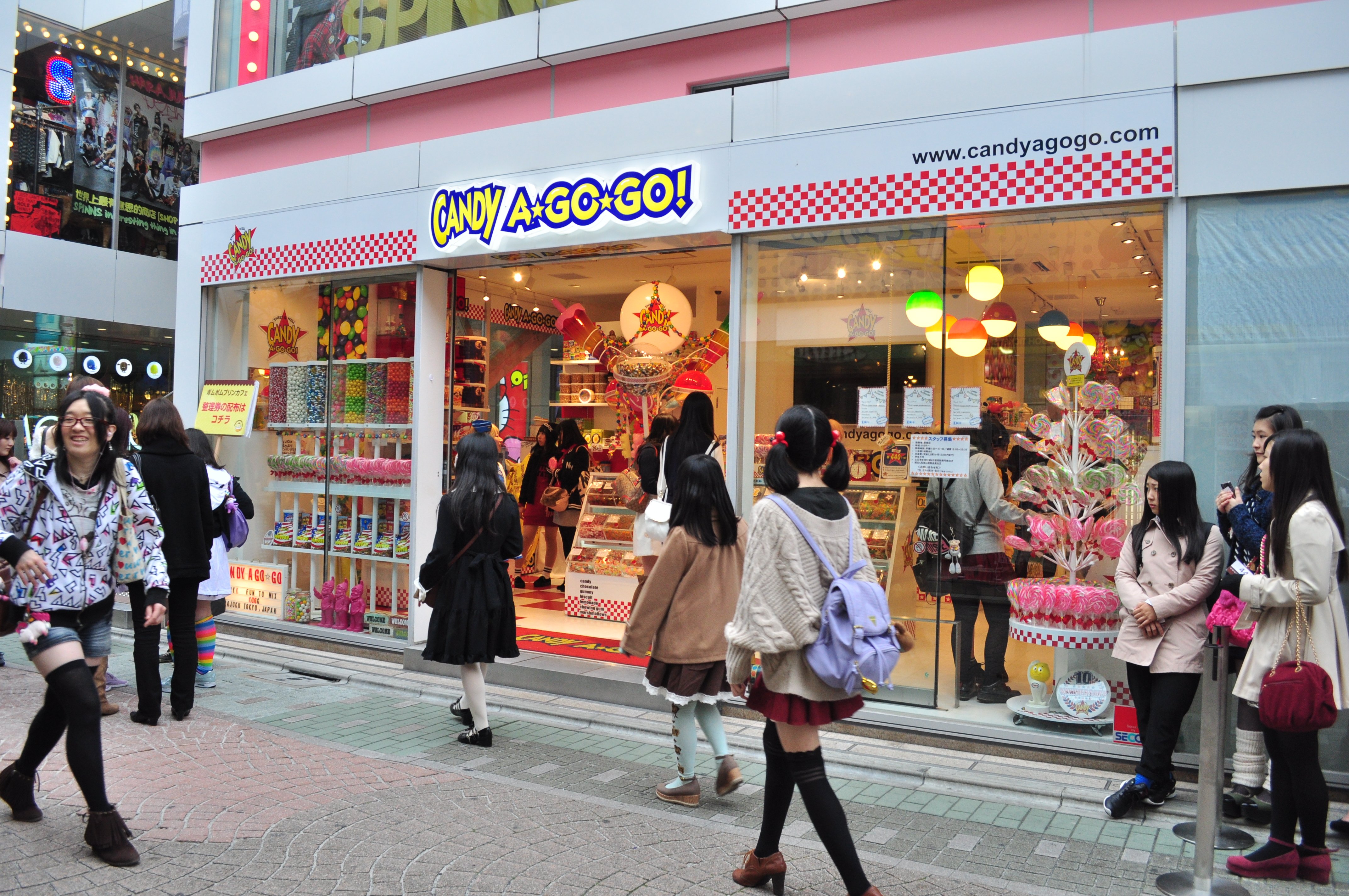
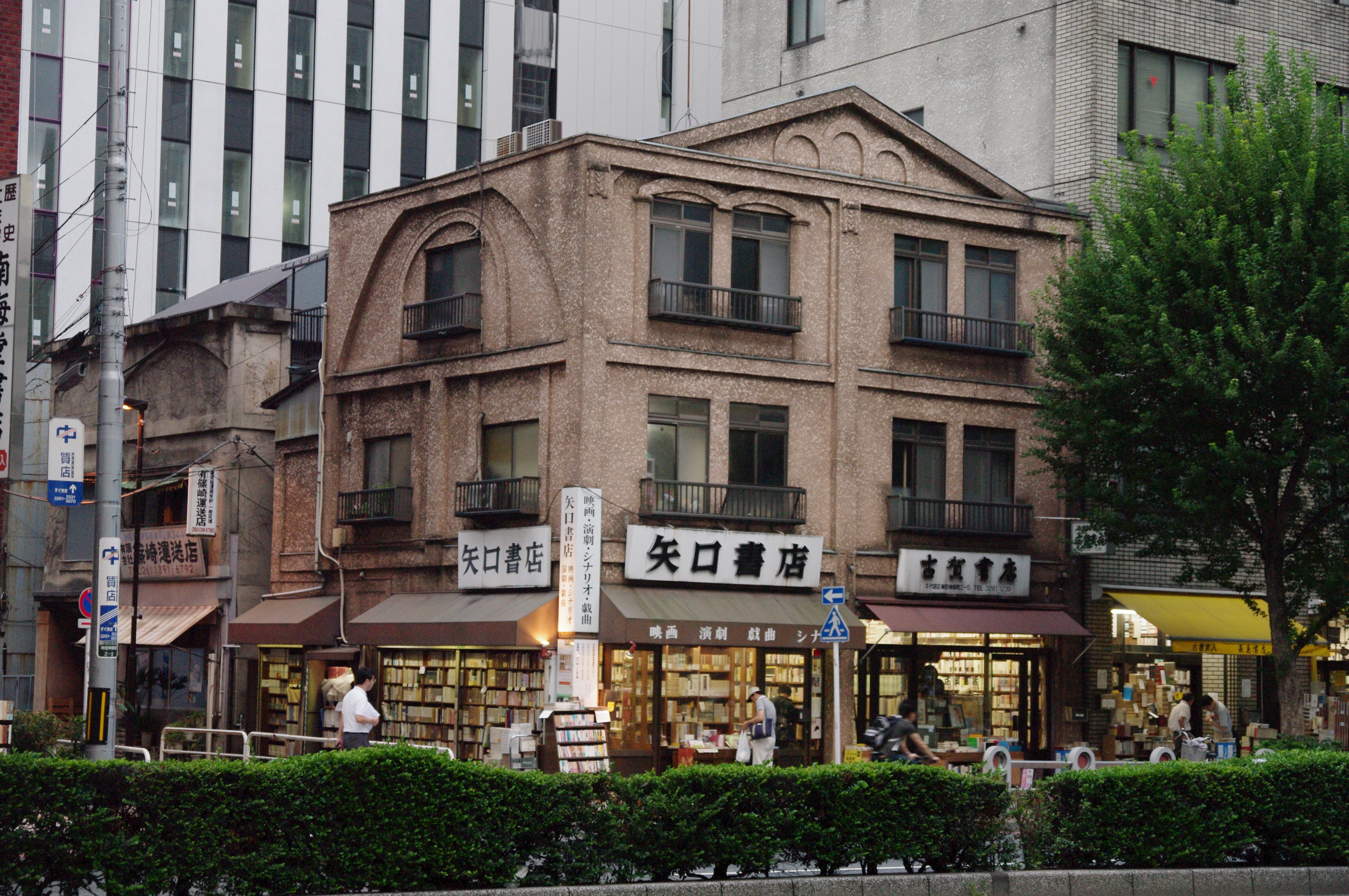
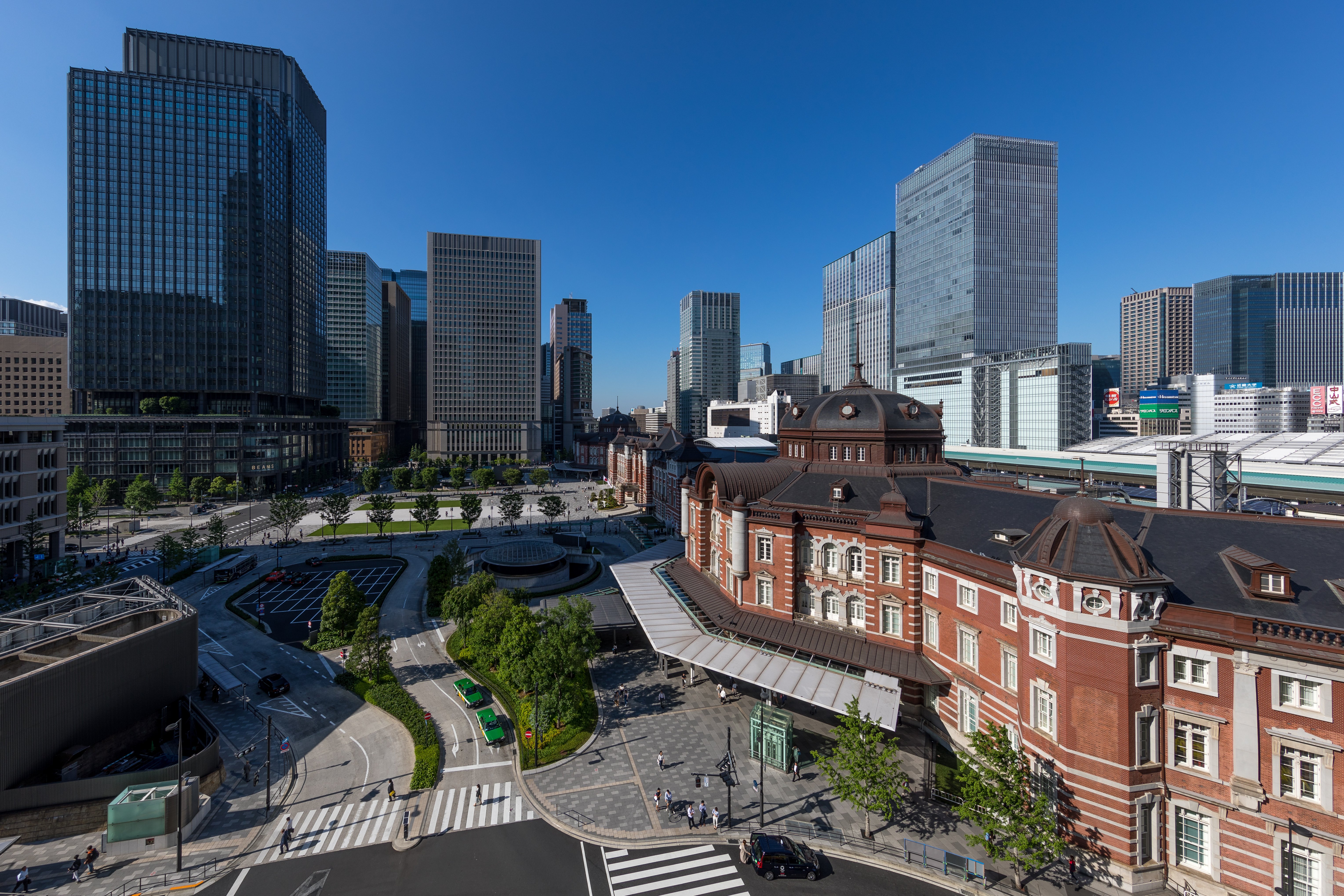
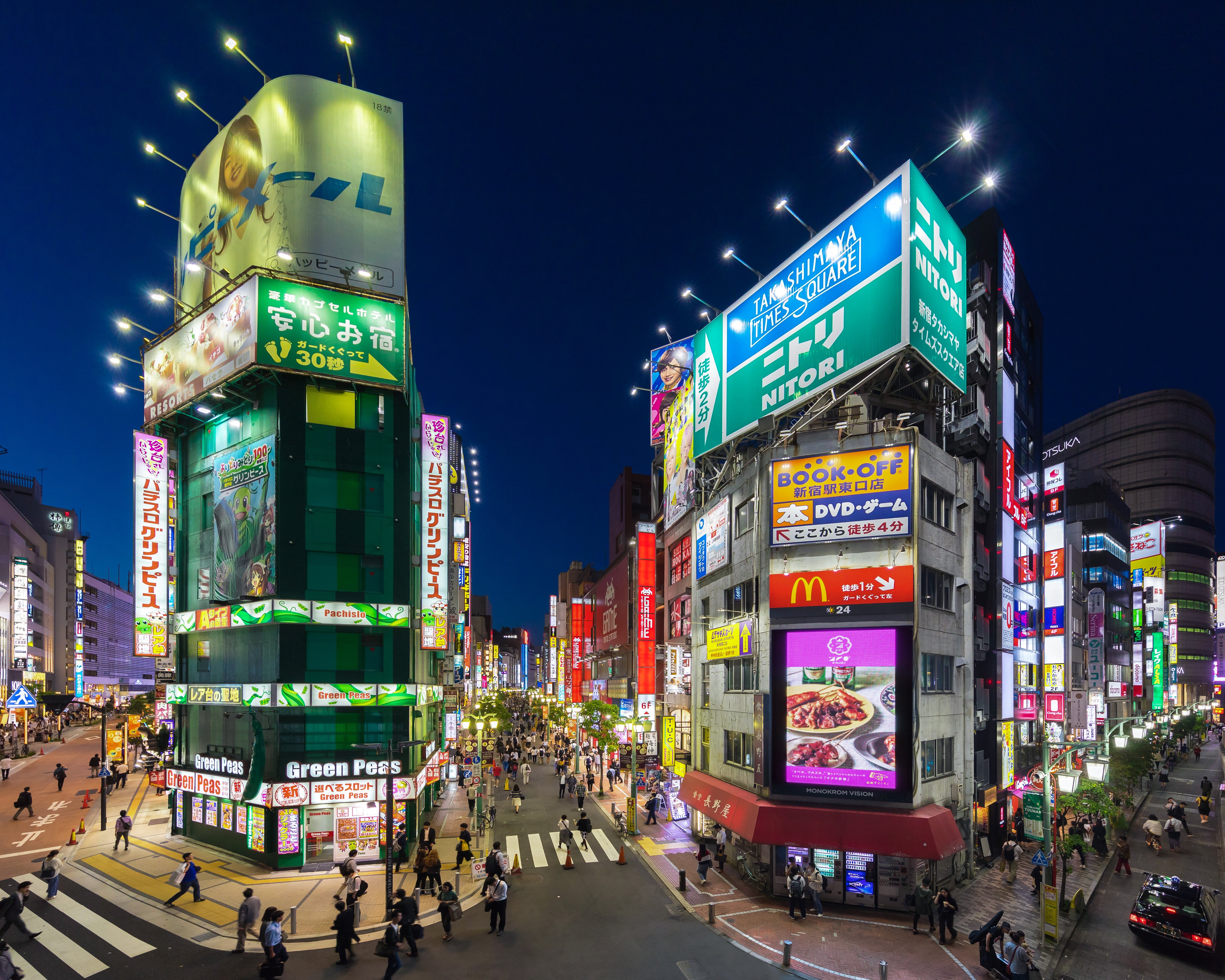
The old and new exist side by side in a way that would be jarring elsewhere but somehow works. Asakusa is the city's most traditional district: the great Senso-ji temple, rickshaws, sembei vendors, and narrow shopping streets barely changed in a century. Walk fifteen minutes east and you're in Akihabara, five floors of electronics, anime merchandise, and gaming arcades. Shibuya's famous scramble crossing — the busiest pedestrian intersection in the world — captures the energy of contemporary Tokyo in one image. Shinjuku has skyscraper office towers, the dense entertainment quarter of Kabukicho, and the quieter Golden Gai bar district, all within walking distance.
For culture and museums, Ueno Park clusters the major institutions: the Tokyo National Museum, the National Museum of Western Art, the National Museum of Nature and Science, and the Ueno Zoo. The Tokyo Metropolitan Government Building in Shinjuku has free observation decks on both towers with views across the city, and on clear winter mornings the cone of Fuji is visible on the horizon.
Tokyo's food scene operates at a level of sophistication and breadth that no other city matches. The city has more Michelin-starred restaurants than Paris and London combined, but the best meals are often in small ramen shops, sushi counters, and yakitori bars. Eating is the point.