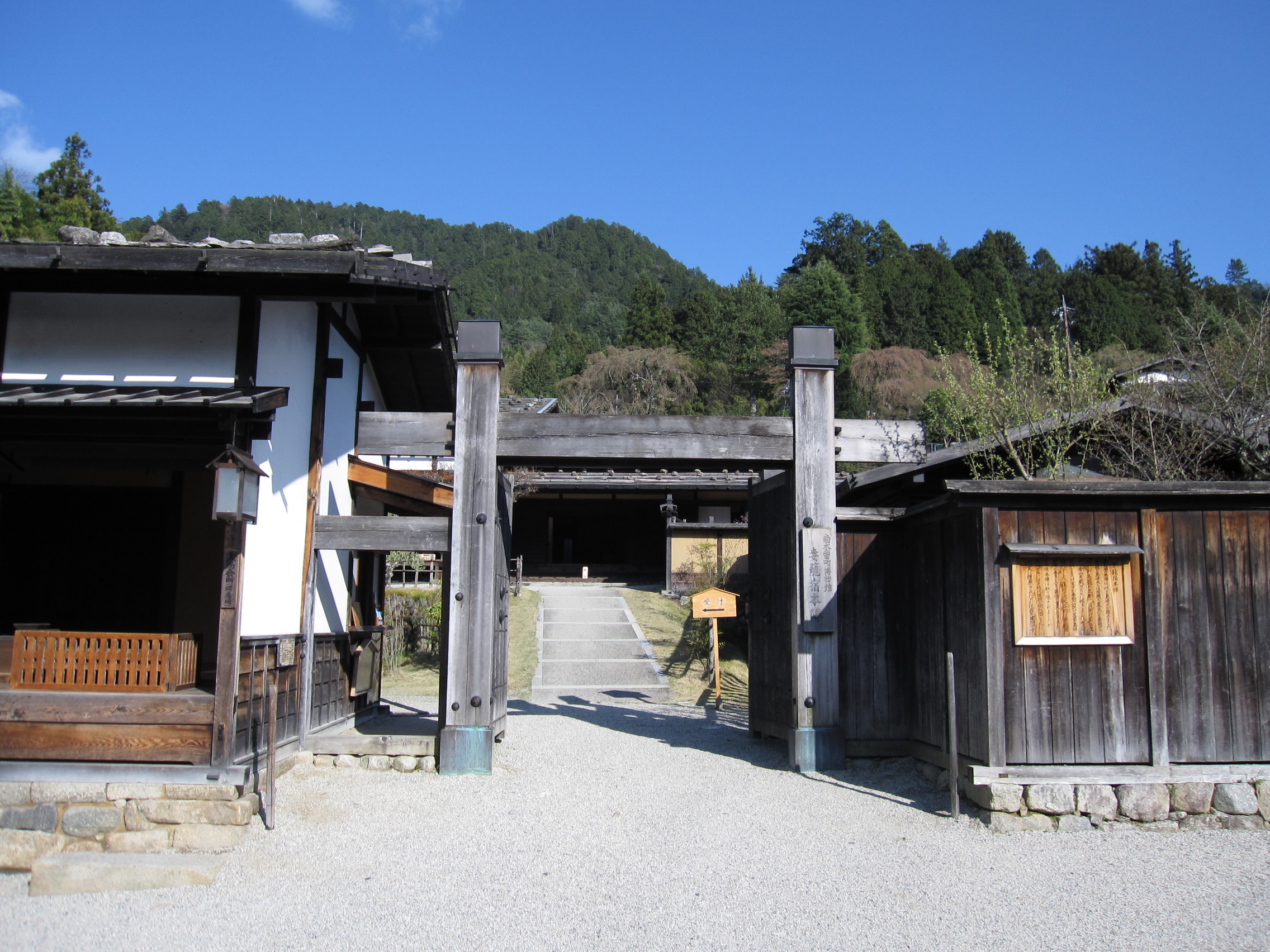
Tsumago is the quieter, more stubbornly preserved half of the classic Nakasendo pairing with Magome. It was the 42nd post town on the old inland road between Edo and Kyoto, and the village still keeps the road's shape: low wooden houses, lattice fronts, water channels, old inns, and mountains closing in around the valley.
The difference from Magome is useful. Magome climbs photogenically up a steep stone slope; Tsumago feels flatter, darker, and more lived-in, with modern signs and visible wires kept out of the old street as much as possible. That restraint is the point. The town was one of Japan's early preservation successes, and it shows in the way the whole street works as a single historic scene rather than a set of isolated monuments.
Give Tsumago at least half a day if you are already in the Kiso Valley, and a full day if you walk the Nakasendo between here and Magome. The Wakihonjin Okuya, Tsumago-juku Honjin, and the preserved street are enough to justify the stop; the forest walk to Magome turns it into one of central Japan's best short travel days.