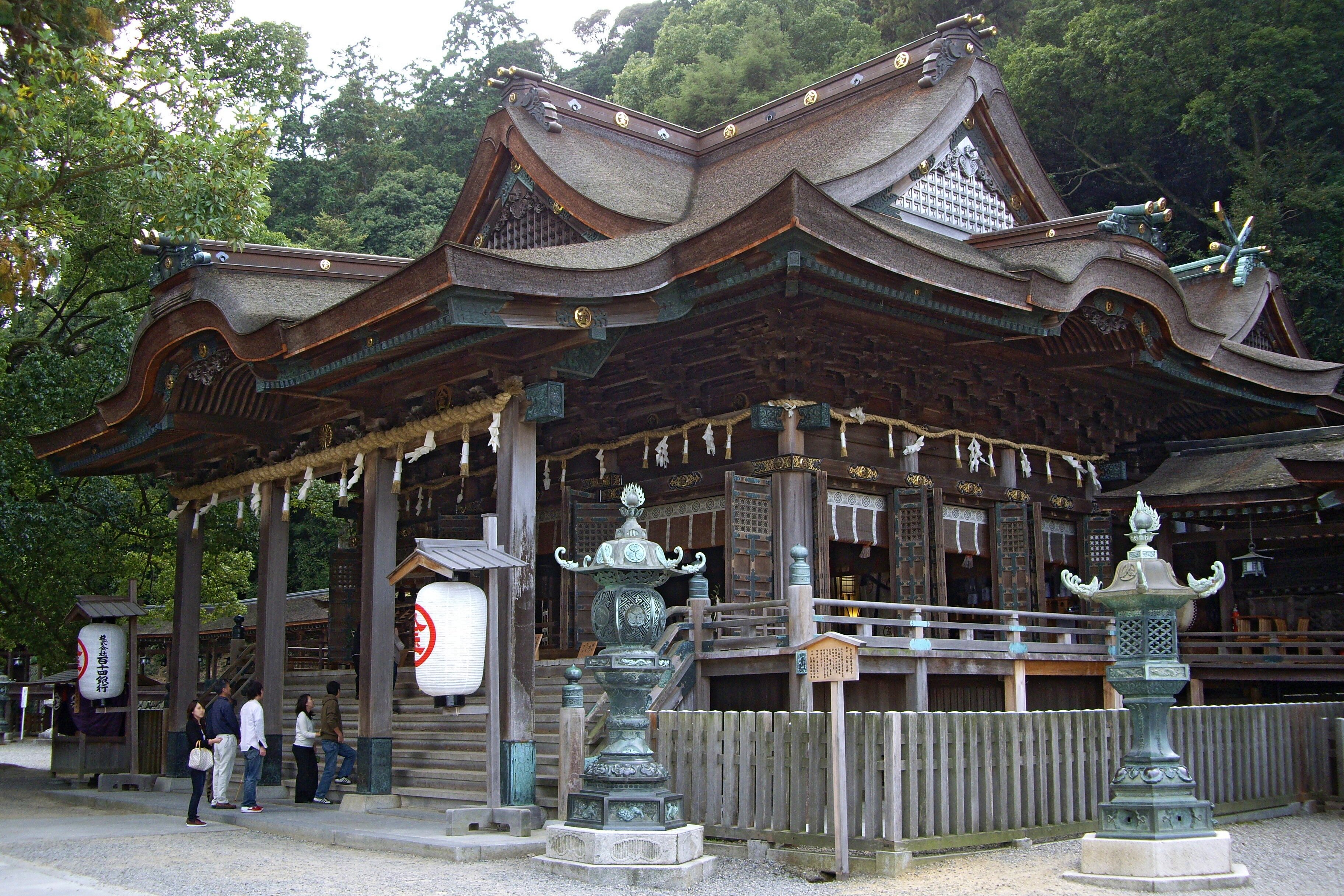
Kagawa shrine town built around the long stone-step approach to Konpira-san.
Kotohira is a small town in Kagawa prefecture, about an hour southwest of Takamatsu, built almost entirely around one remarkable hilltop shrine. Most visitors come for Konpira-san (formally Kotohiragu), one of Japan's most celebrated Shinto sanctuaries, dedicated to the deity of seafarers. The town itself is compact and pleasant — old merchant streets, stone lanterns, and vendors selling the local sweet, konpeito — but the shrine is the reason to make the trip.
The approach to Konpira-san involves climbing 785 stone steps to the main hall, with a further 583 to the inner sanctuary at the summit. The views over the Sanuki plain and toward the Inland Sea are worth the effort, especially on a clear day. Less well-known but equally worthwhile is Kanamaru-za, Japan's oldest surviving kabuki theatre, built in 1835 and still in use every April for an annual festival.
Guide
Eating Out
Kotohira is in Kagawa, the home of sanuki udon — the wheat-flour wheat noodles served in a clear dashi or with cold dipping sauce, made on a level of quality and seriousness that Kagawa locals will argue is unmatched anywhere else in Japan. Several small udon shops sit along the approach road to Konpira-san; queue at the busiest of them — that's usually the right one.
The other Kotohira food tradition is konpeito — small star-shaped sugar candies originally introduced by Portuguese traders, now sold in small paper bags along the shrine road. A few shops at the foot of the steps also serve the regional sweet kamado manjū, a small stuffed dumpling.
Guide
Getting There
Kotohira is on the JR Dosan line about an hour southwest of Takamatsu by Limited Express, slightly longer on the all-stations local. The town has two stations — JR Kotohira and the neighbouring Kotoden Kotohira — sitting side by side a five-minute walk from the foot of the shrine steps. The Kotoden private line runs to Takamatsu via the kotoden-kotohira line, a scenic small-train ride with frequent service.
From Okayama on the main island, take the Marine Liner across the Seto Ohashi Bridge to Takamatsu (40 minutes) and connect there, or take the direct Limited Express Shiokaze from Okayama which stops at Kotohira (about 70 minutes). No bullet train serves Shikoku.
Guide
When to Go
Kotohira is fine in any season but best in spring and autumn. Cherry blossoms line the steps to the shrine in late March and early April — sometimes coinciding with the Kanamaru-za kabuki festival, which is the busiest week of the year here and worth planning around even if you don't see a performance. Autumn brings red and yellow maples on the same path through November.
Summer in Shikoku is humid and hot; the climb up the steps in July or August is hard work. Winter is dry and clear with cold nights, and snow does occasionally dust the upper stages of the shrine, which is photogenic but slippery. The Reitaisai grand festival on 10 October is the shrine's most important annual ceremony, with portable shrines and elaborate ritual.