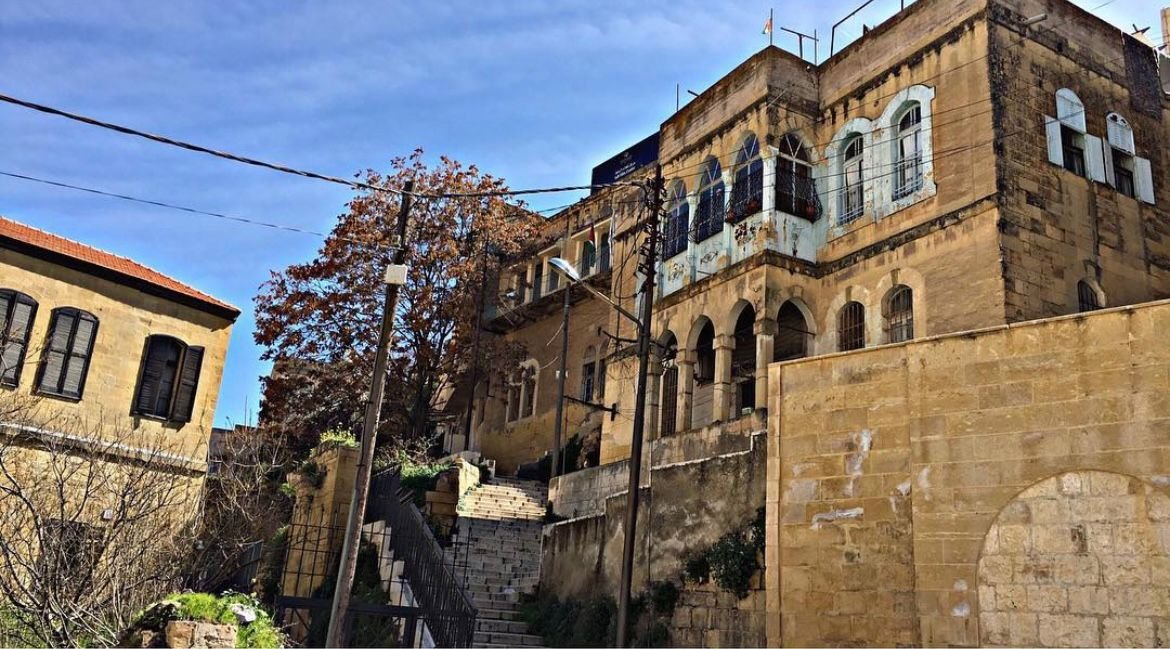
Salt is one of Jordan's most rewarding small towns, and most visitors never make it here. Perched on a cluster of hills just thirty kilometres west of Amman, it was the region's administrative capital under the Ottomans and a major trading hub long before Amman grew into the sprawling city it is today. The result is a town of genuine character — steep, winding streets lined with golden Ottoman-era limestone buildings, many with distinctive arched windows and wrought-iron balconies.
The old town centre is a pleasure to wander. The souq still functions as a real market rather than a tourist set piece, and the narrow lanes climb steeply between merchants selling spices, vegetables, and household goods. Coffee houses dot the hillside, and locals are famously welcoming — you will likely be invited for tea before you have finished your first walk through town. The Archaeological Museum, housed in a fine Ottoman mansion, offers a good introduction to the region's layered history.
Salt's association with the Biblical land of Gilead gives it historical depth that goes far beyond the Ottoman period. Several early Christian shrines and tombs are scattered in the surrounding hills. The town also has a small but growing reputation for its traditional crafts, particularly ceramics and hand-woven textiles. If you are visiting Amman and want a half-day escape to somewhere that feels authentically Jordanian, Salt is the obvious choice.