Ibri
©
Ibri

Ibri

Old Omani caravan town in Ad Dhahirah, with a fort, local souq, and nearby Bronze Age tombs

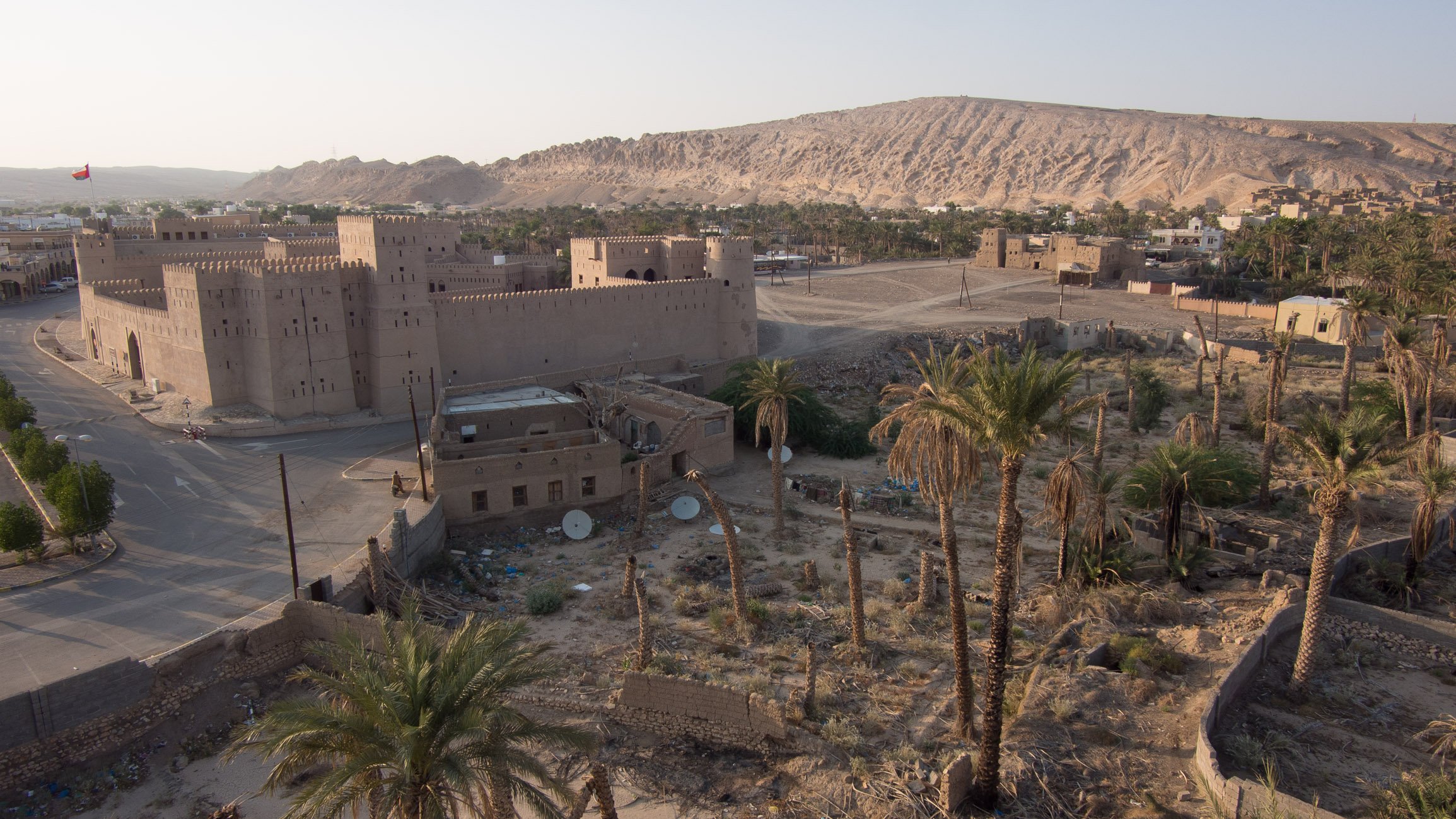
Located halfway between Muscat and the border with the Emirates, Ibri is an old caravan town in the Ad Dhahirah region that most travellers drive through without stopping. That is a mistake. The town has a restored Ibri Fort, a lively souq that still caters to locals rather than tourists, and a genuine small-town Omani atmosphere that the more polished destinations along the coast have lost.

The main reason to base yourself here is the Bat Tombs, a UNESCO World Heritage Site about 25 kilometres east of town. Dating to the 3rd millennium BC, these beehive-shaped stone burial chambers are among the best-preserved Bronze Age necropolis sites in the Arabian Peninsula. The site is unfenced and unattended — you simply drive up and walk among the tombs, which is both wonderful and a reminder of how little-visited this part of Oman remains.

From Ibri, the dramatic mountain scenery of Jebel Shams and the so-called Grand Canyon of Oman is within reach to the east. The drive through Wadi Ghul to the canyon rim is spectacular, and the Balcony Walk trail along the cliff edge is one of the best short hikes in the country. To the south, the landscape flattens into the Rub al Khali (Empty Quarter), and the transition from irrigated date gardens to open desert happens remarkably quickly.

The souq is busiest in the morning and is a good place to buy Omani dates, halwa (the local sweet), and frankincense. The town has a few simple restaurants serving Omani and Indian food, and there are fuel stations for onward travel in any direction.

Guide

Day Trips

Ibri sits at the junction of several of Oman's most interesting landscapes. Jebel Shams and the Grand Canyon of Oman — the country's highest peak and deepest gorge — are within a two-hour drive east through the Hajar Mountains. The drive through Wadi Ghul to the canyon rim is spectacular in itself, and the Balcony Walk trail along the cliff edge is one of the best short hikes in Oman.

To the south, the landscape transitions with remarkable speed from irrigated date gardens to the open gravel plains that lead eventually to the Rub al Khali (Empty Quarter). For those with a proper 4WD and desert experience, the edges of the Empty Quarter are accessible as a day excursion. Al-Ayn village and the Bat Tombs (about 25 km east) are an easy half-day and can be combined with a drive up toward the mountains.

Guide

Getting There

Ibri is on Highway 21 roughly halfway between Muscat and the UAE border at Al Ain. The drive from Muscat takes about three hours; from Dubai it's around two and a half hours via the Al Ain crossing. The highway passes through dramatic mountain scenery as it descends from the Hajar Mountains toward the Omani interior.

There are ONTC bus services from Muscat's main bus station to Ibri. The journey takes around three hours and is inexpensive. Most visitors with regional flexibility will have a rental car, which is essentially required to reach the Bat Tombs and the mountain scenery around Jebel Shams.

Guide

Things to Do

Ibri's attractions divide between the town itself and the remarkable landscape surrounding it. In town, the Ibri Fort is a well-restored example of Omani military architecture, and the old souq remains a working market rather than a tourist attraction. Outside town, the Bat Tombs — a UNESCO World Heritage Site — are among the best-preserved Bronze Age burial sites in the Arabian Peninsula, and the mountain scenery toward Jebel Shams is spectacular.