Kalinga
©
Kalinga

Kalinga

Mountainous Cordillera province of river gorges, rice terraces, and living Kalinga tattoo traditions.

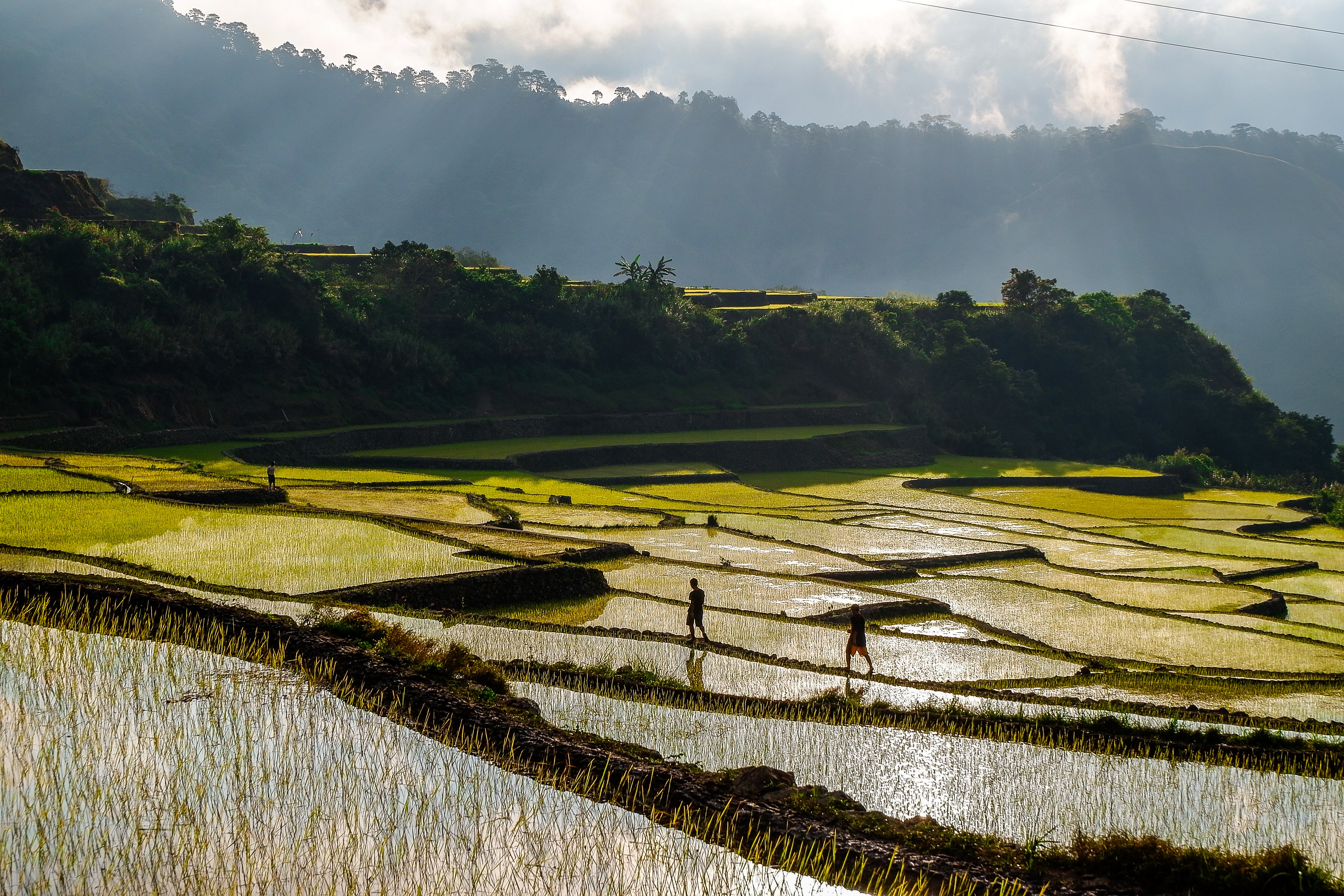
Kalinga is a mountainous province in the Cordillera region of northern Luzon, known for its dramatic river gorges, rice terraces, and the living traditions of the Kalinga people. The name comes from the Ibanag word for "headhunters" — a practice long abandoned but still part of the province's fierce identity. Elderly Kalinga women still bear the traditional tattoos (batok) that once marked warriors and their wives, and the line continues at Buscalan, the remote mountain village where the last of the old mambabatok still works.

The main draw for visitors is whitewater rafting on the Chico River, some of the best in the Philippines. The capital Tabuk is the jumping-off point for rafting trips and for treks into the remote villages where the bodong peace pact system — an indigenous conflict resolution institution — still governs intertribal relationships.

Getting here takes some effort. Buses run from Manila to Tabuk (about 10–12 hours), or you can fly to Tuguegarao and take a jeepney (about 90 minutes). The climate is wet from May to October, with typhoons common from July to October.

Guide

Eating Out

Kalinga food is rice-based and meat-heavy. The defining dish is pinuneg — a black blood sausage made with rice, ginger, and pork, sliced and pan-fried. Pinikpikan (literally "the beaten one") is the local chicken stew, controversial elsewhere because the bird is beaten with a stick before slaughter to bring blood to the surface and darken the meat; it is the centrepiece of feast occasions. The simpler everyday version is inasin, salted and grilled pork or freshwater fish from the Chico.

For drinks, tapuy (rice wine) and basi (sugarcane wine) are made in most villages. The mountain coffee — small-batch arabica from the surrounding hills — is increasingly good and worth seeking out at the cafés in Tabuk.

In the small villages, food comes with whatever accommodation you arrange — homestays normally include three substantial meals.

Guide

Getting There

By bus from Manila. Direct buses (Victory Liner, Coda Lines) run from Cubao to Tabuk overnight, taking 10–12 hours. The mountain section north of Baguio is slow and winding — if you are prone to motion sickness, take medication.

By plane via Tuguegarao. Several daily flights from Manila to Tuguegarao (1 hour). From there, jeepneys and vans run to Tabuk in about 90 minutes through the lowland valley.

Onward to the mountain villages. From Tabuk you transfer to local jeepneys or hired vans for the trip up to Tinglayan, Lubuagan, and the trailheads for Buscalan and other terraced villages. Allow several hours; the roads are rough and rain disrupts schedules.

Note on security. Travel in Kalinga is generally fine but the New People's Army has been active in remote areas. Stick to organised guides and respect locally posted advice — both the police and the indigenous bodong council know exactly which areas are quiet at any given time.

Guide

When to Go

The dry season (November through April) is the time for trekking and village visits — clear skies, cool mountain nights, and trails that are not slick with mud. December and January can be cold at altitude; bring a fleece.

The wet season (May to October) brings reliable afternoon rain and the risk of typhoons. The rafting season runs from about June through January, when the river is high enough for the best rapids — so for whitewater you have to accept some rain.

Ullalim Festival, the provincial cultural celebration, is held in mid-February: indigenous dance, the gangsa gong ensembles, and food. Bodong Festival at the same time of year is the formal commemoration of the peace-pact tradition. Both are worth timing a visit around.