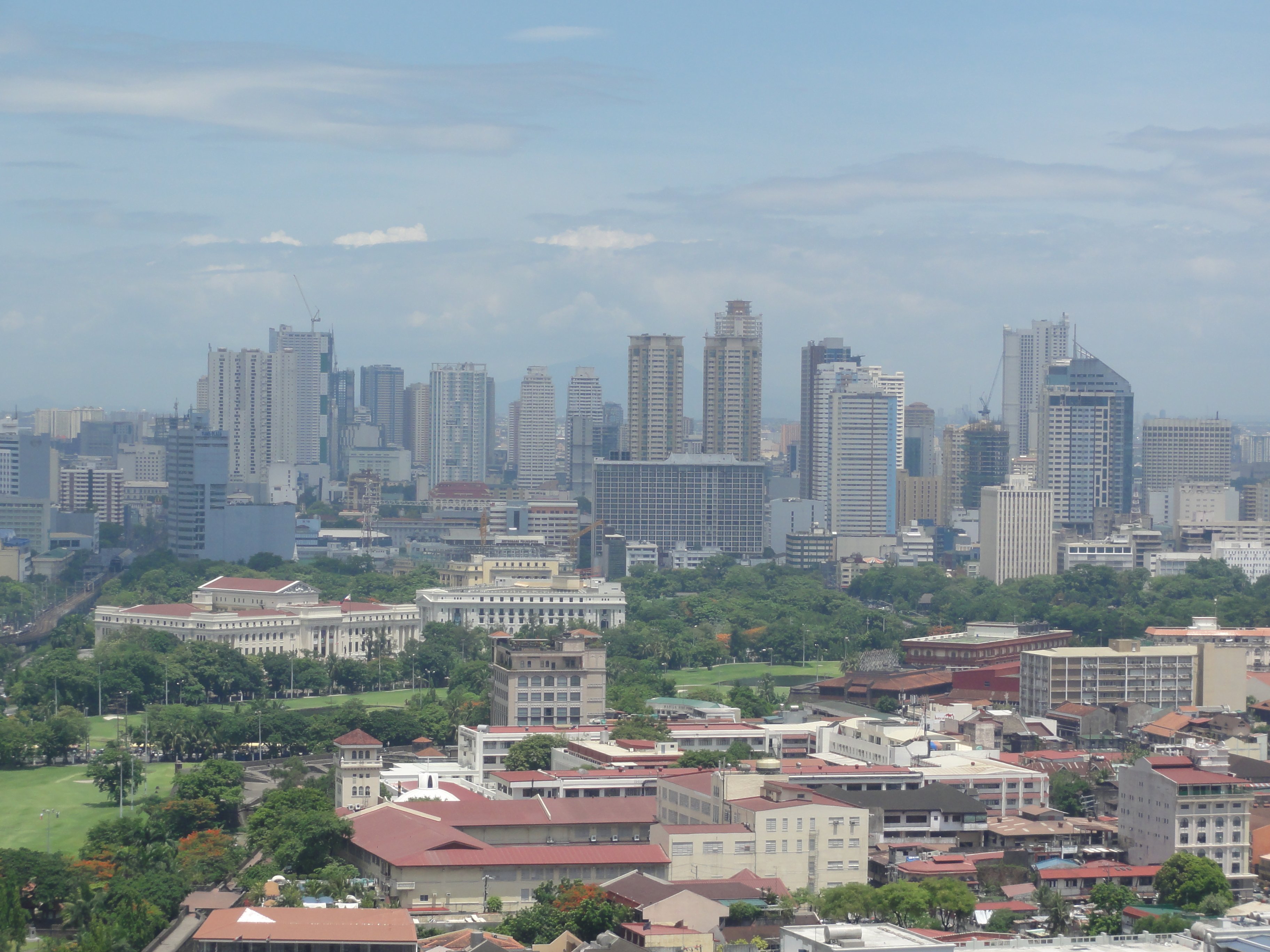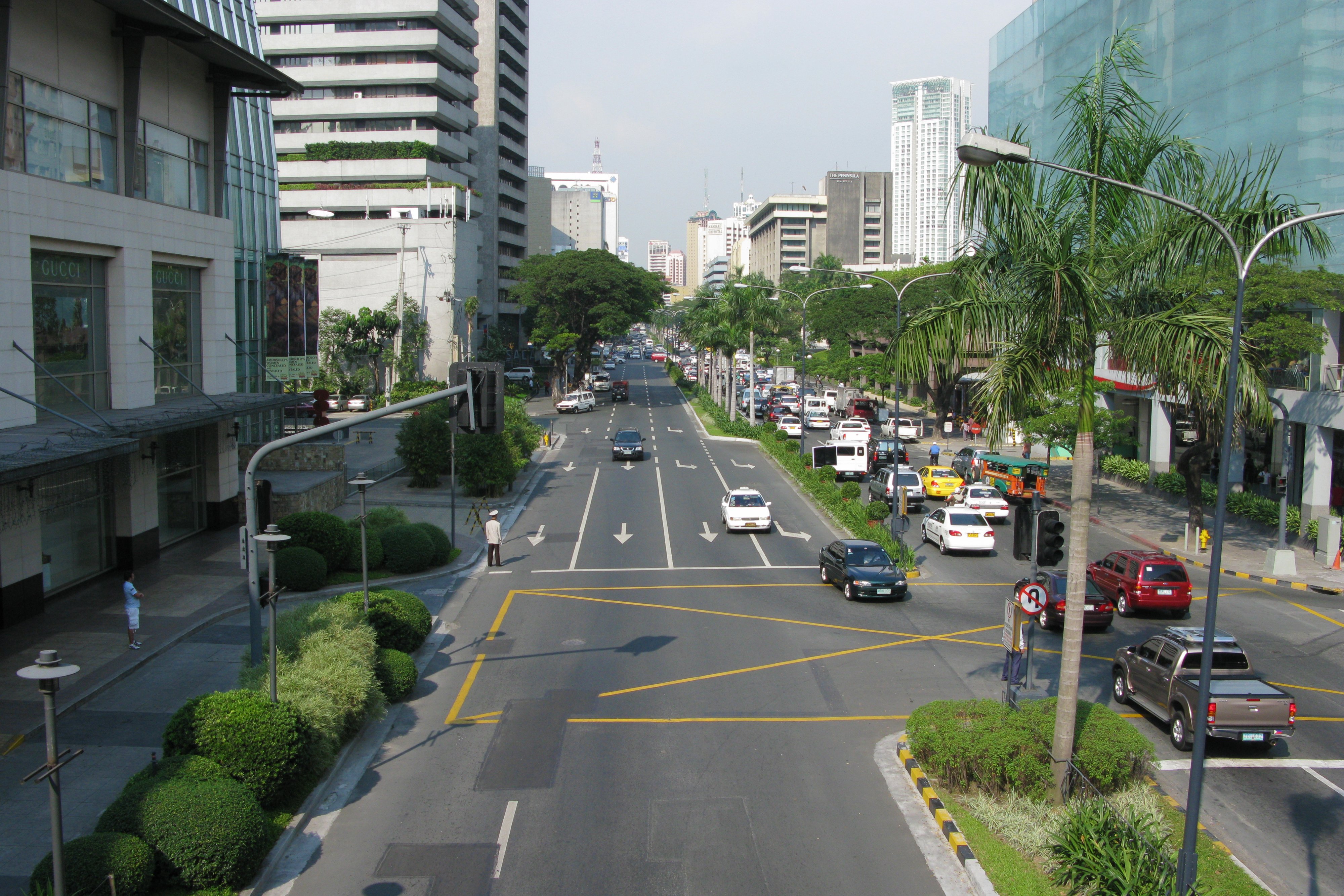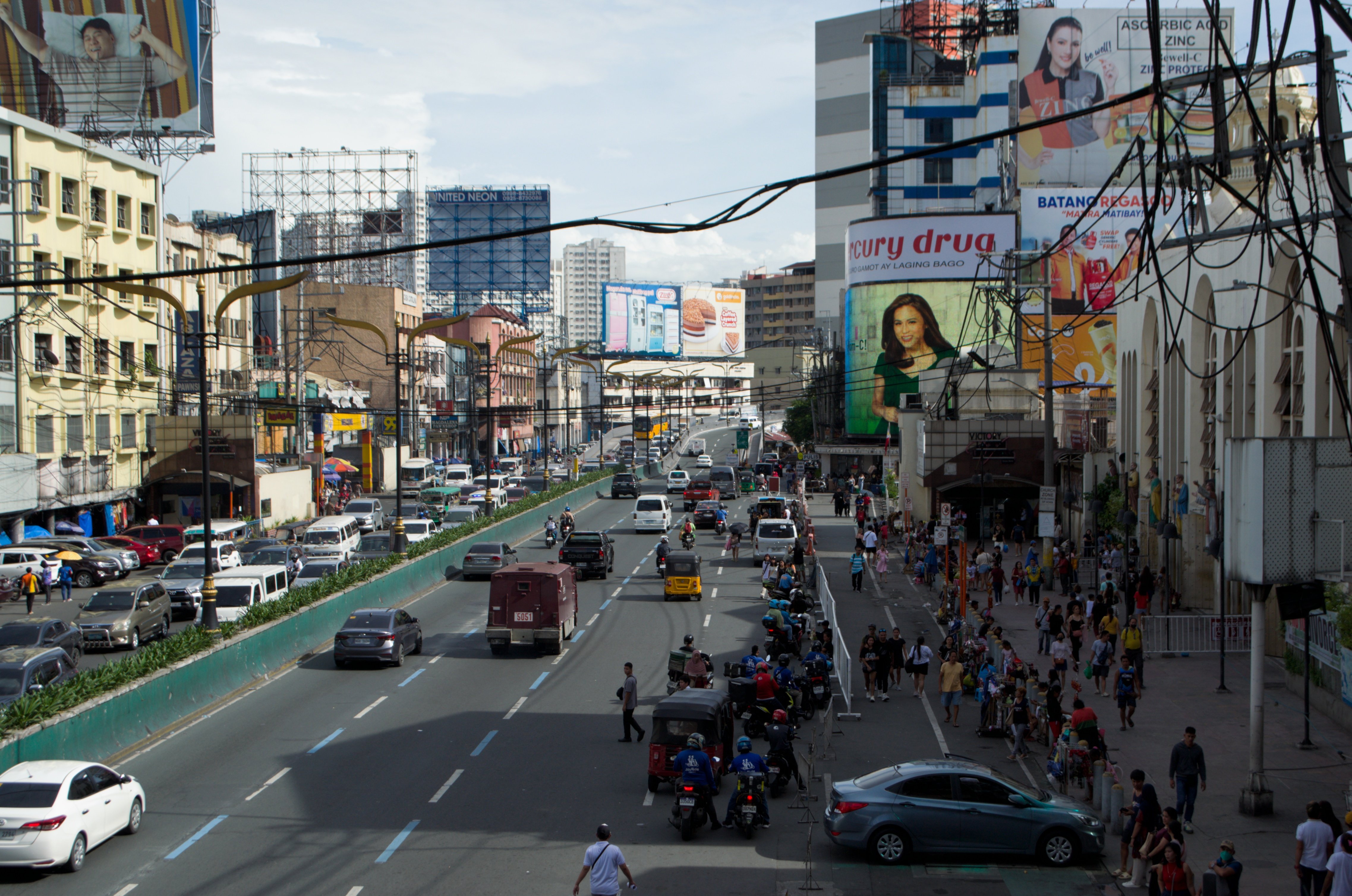
Manila is one of the most exhausting cities in Southeast Asia. Thirteen million people live in the metro area, packed into a warren of municipalities, gated villages, slums, and business districts that stretch for forty kilometres up and down the bay. The traffic is legendary. The heat is heavy. The pollution is real. Don't come for rest — fly to one of the smaller islands for that.
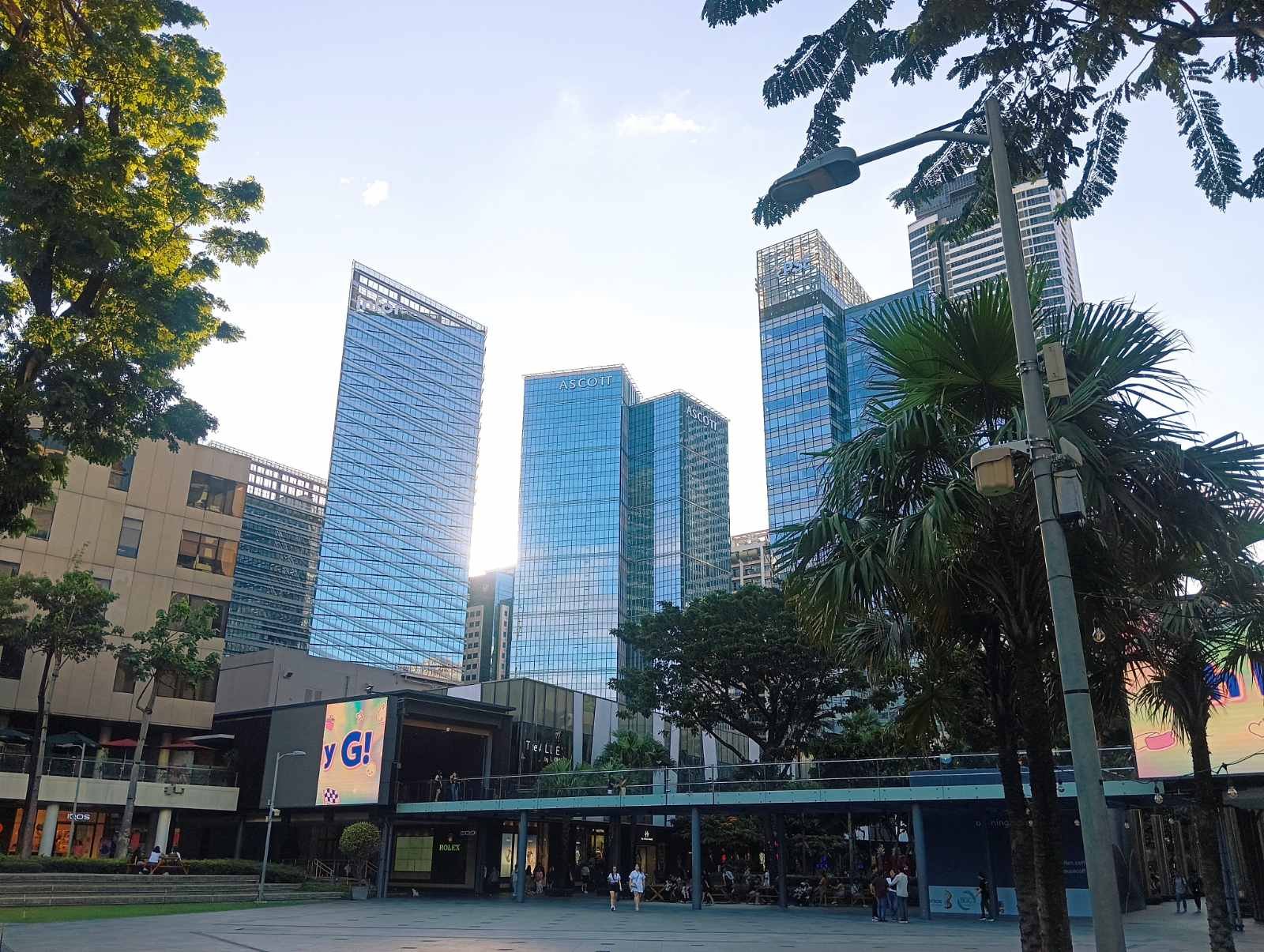
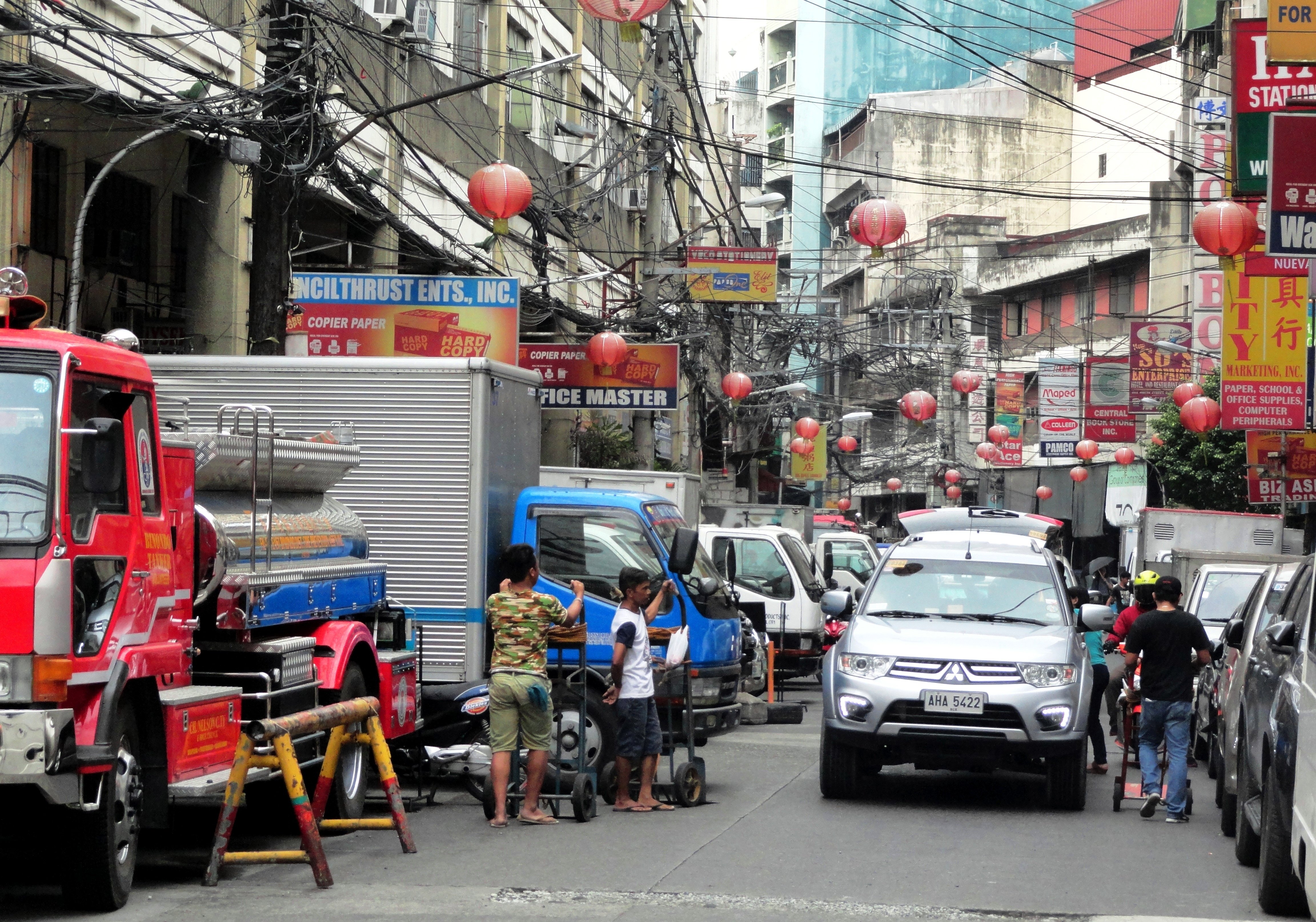
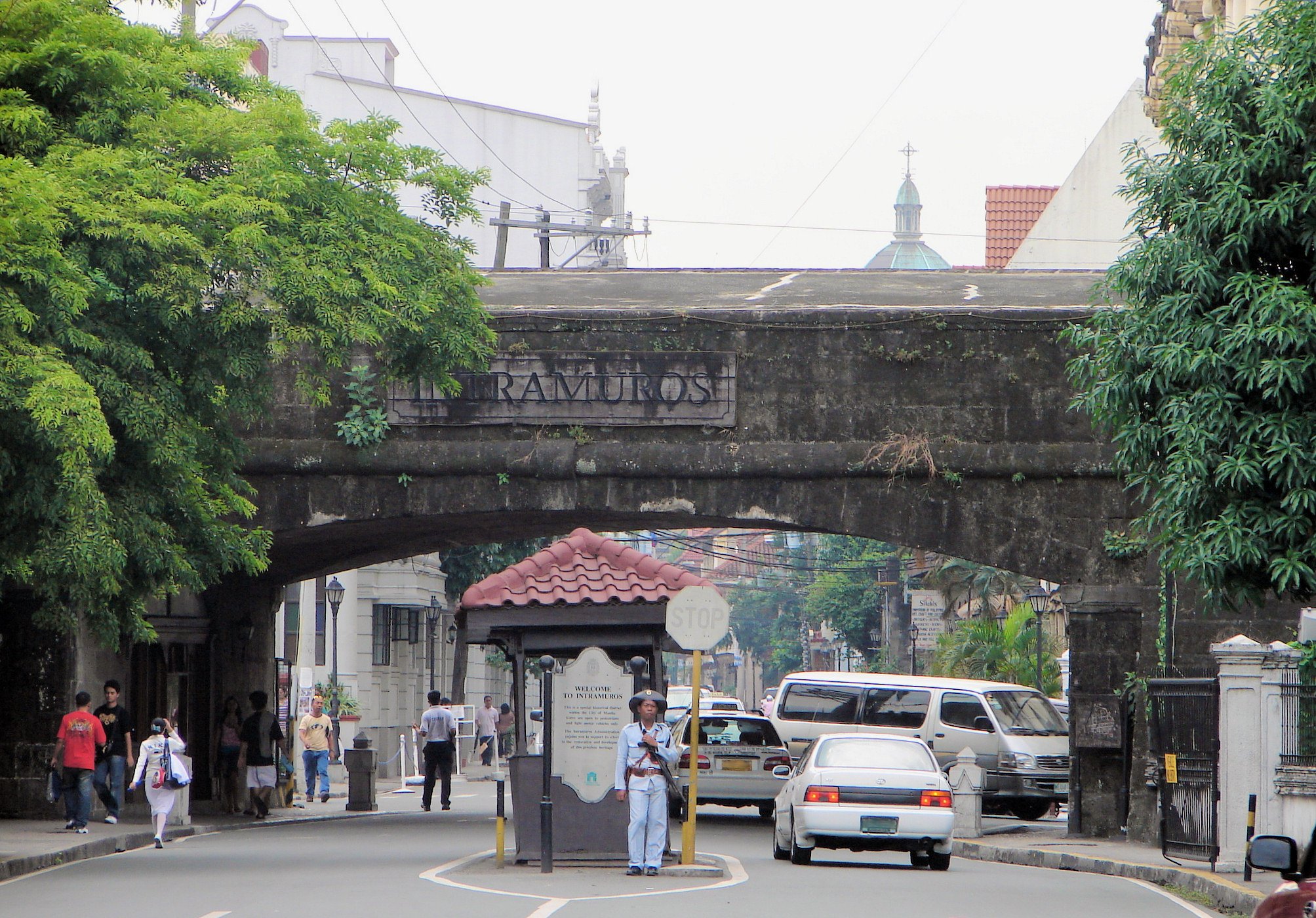
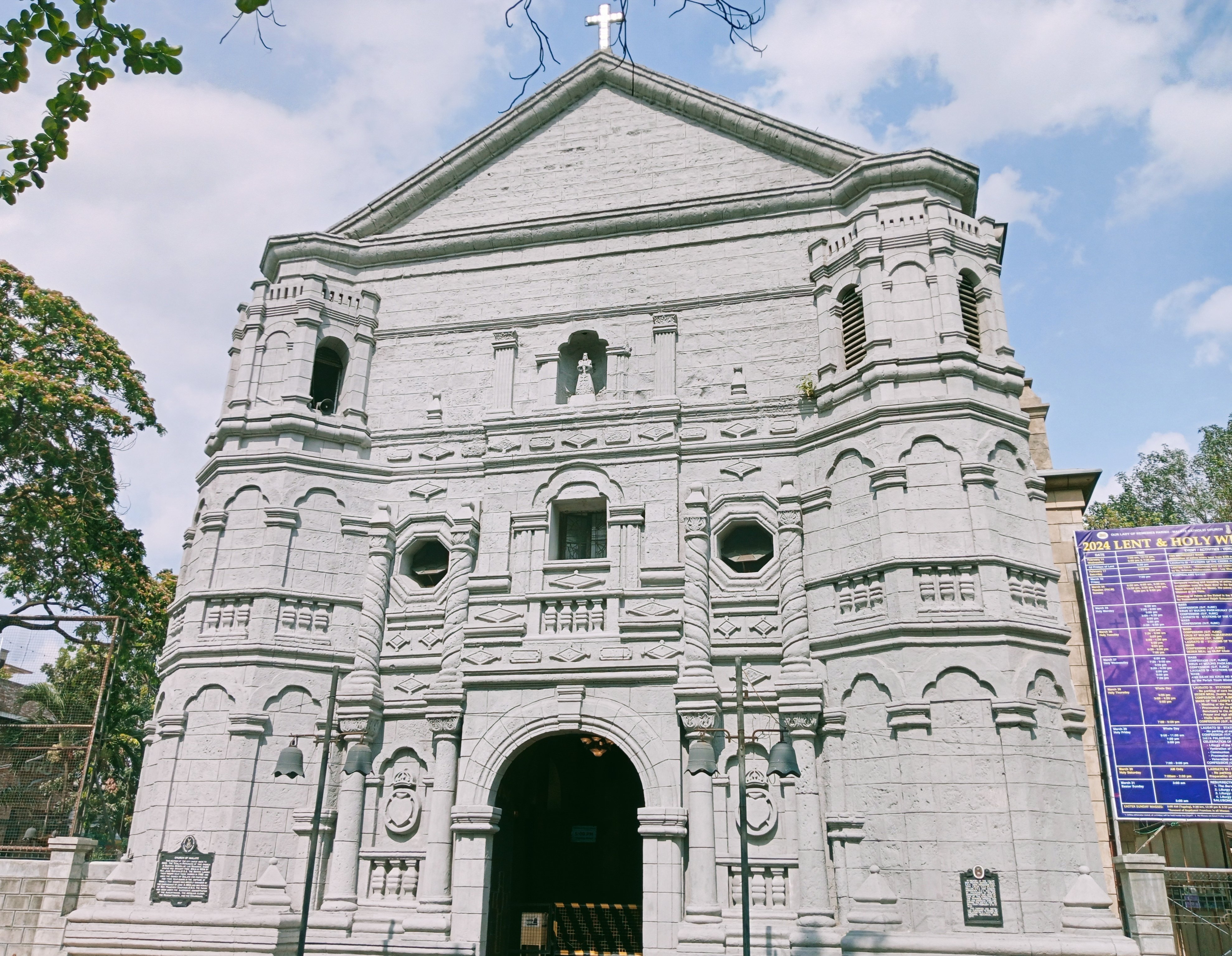
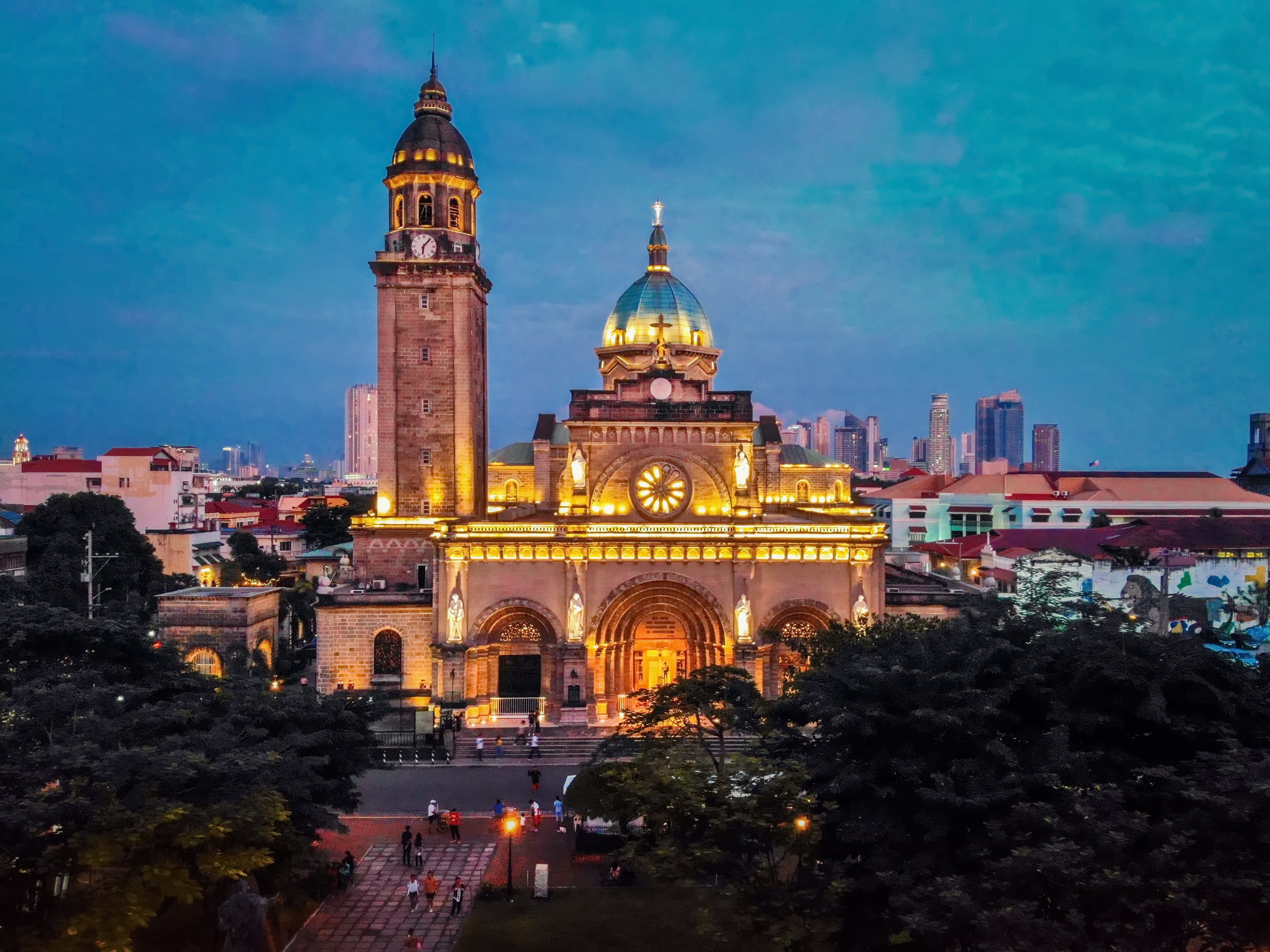
Come instead for the layers. The walled Spanish colonial core, Intramuros, was one of the great Spanish cities of Asia until American bombs and Japanese demolitions flattened it in 1945. What remains is a partial reconstruction around San Agustin Church and Fort Santiago, where you can trace José Rizal's last footsteps to the firing squad in 1896. A short ride away, Ermita and Malate are the old tourist districts — faded, a bit seedy, still alive. Makati is the glossy business centre with the shopping malls, the best restaurants, and the Ayala Museum. Bonifacio Global City is the newest district, a planned grid of walkable streets on former military base land. Binondo — the oldest Chinatown in the world, established in 1594 — is the place to eat.
Filipinos speak excellent English — the country is the world's third-largest Anglophone country — which makes Manila easier to navigate than most Asian megacities. The food is a revelation: Spanish, Chinese, American, and Malay influences woven together into something unmistakable. Try sisig (sizzling chopped pork), adobo (vinegar-braised chicken), and halo-halo (the great Filipino shaved-ice dessert) at least once. At dusk, ride a jeepney down to the bay for the famous Manila sunset.
Use Manila as a jumping-off point. The beaches, volcanoes, and dive islands elsewhere in the archipelago are all within easy reach.