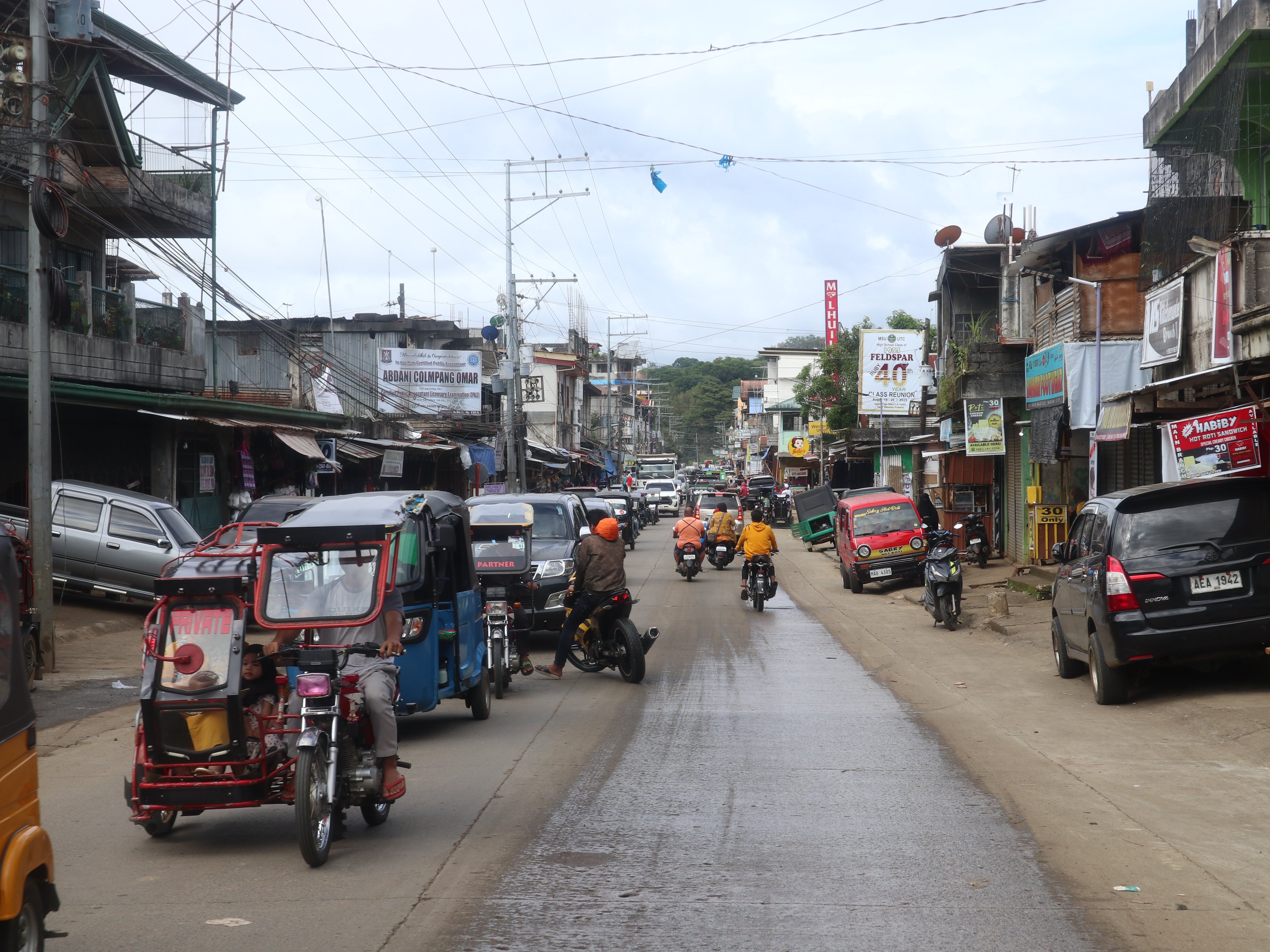
Marawi City sits on the northern shore of Lake Lanao, the largest lake in Mindanao and one of the oldest in the world. As the capital of Lanao del Sur province, it serves as the cultural heart of the Maranao people and is sometimes called the Islamic City of Marawi — the only city in the Philippines with a predominantly Muslim population.
The city was devastated during a five-month siege in 2017, when Philippine military forces fought to reclaim it from militants affiliated with ISIS. Much of the old city centre was reduced to rubble, and reconstruction has been slow. The cleared 250-hectare zone — officially the "Most Affected Area" but everyone calls it Ground Zero — is still being rebuilt; tens of thousands of residents were displaced.
Before the conflict, Marawi was known for its vibrant Maranao culture — intricate brasswork, colourful malong textiles, and the sarimanok bird motif that appears across the region. Mindanao State University, the largest university in the southern Philippines, occupies a sprawling campus on the city's outskirts and remains a centre of learning and cultural preservation; its Aga Khan Museum of Islamic Arts holds the best collection of Maranao material culture in the country. The white-domed Marawi Grand Mosque and the rebuilt St. Mary's Cathedral are the two most visible religious landmarks. Lake Lanao itself, sitting at 700 metres above sea level, is strikingly beautiful and home to endemic fish species found nowhere else on earth.
Travel to Marawi requires caution. Government travel advisories for the Lanao del Sur region remain in effect, and visitors should check current conditions before planning a trip. If you do go, you will find a city slowly rebuilding and a people determined to preserve their distinct cultural identity.