Lucban
©
Lucban

Lucban

Quezon foothill town known for the Pahiyas Festival's colourful kiping decorations and Mount Banahaw setting

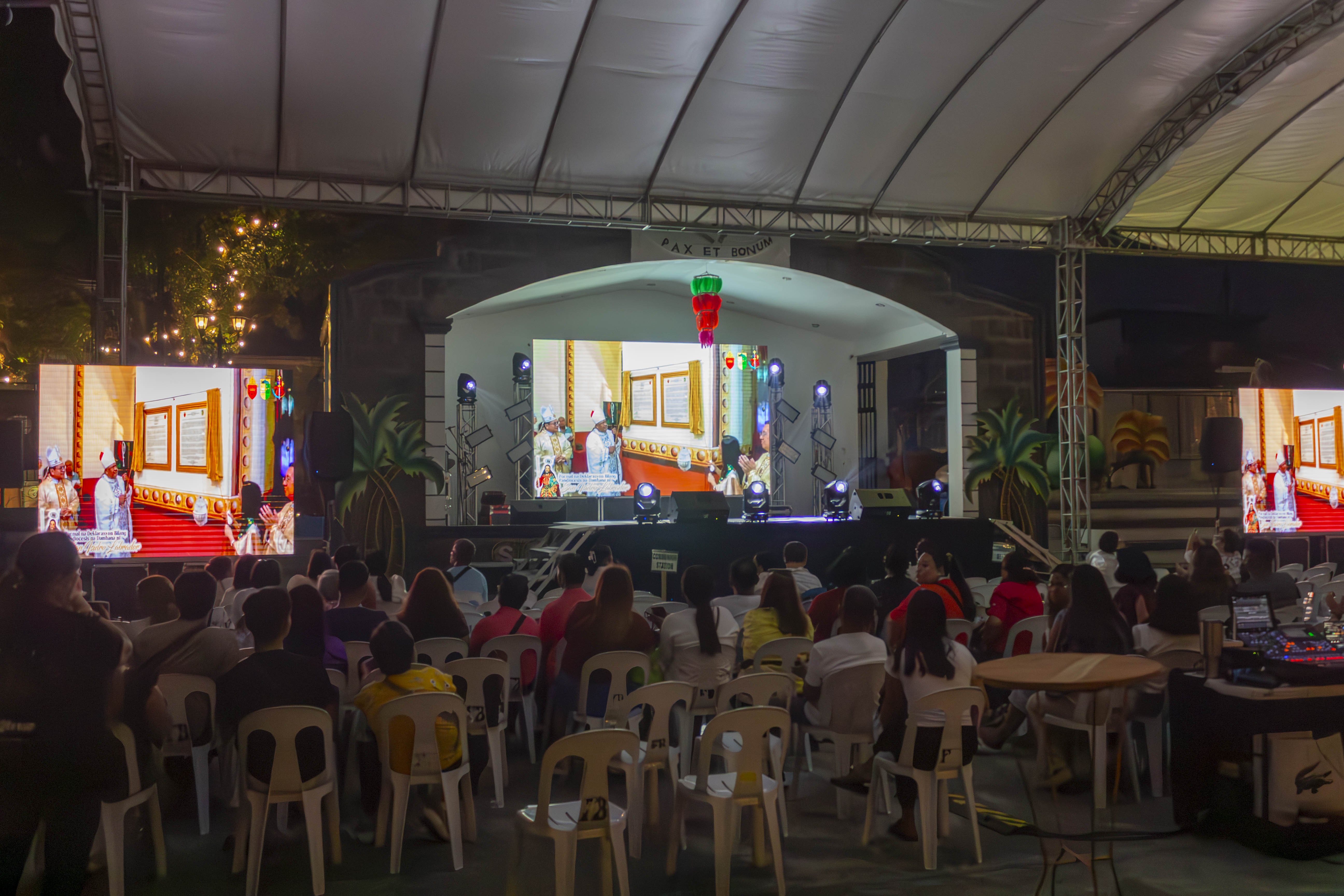
Lucban is a small town in Quezon Province, tucked into the foothills of Mount Banahaw on the island of Luzon. It is best known for the Pahiyas Festival, held every 15 May in honour of San Isidro Labrador, when houses along the main street are decorated with colourful rice wafers called kiping and displays of fruit, vegetables, and handicrafts. The festival, which centres on Lucban Church, draws visitors from across the Philippines and is one of the most visually spectacular fiestas in the country.

Outside festival season, Lucban is a quiet agricultural town with good longganisa (local sausage) and a pleasant old town centre. The hillside shrine of Kamay ni Hesus, with its 50-metre statue of the risen Christ, draws weekly bus-loads of pilgrims, and Mount Banahaw — considered a sacred mountain — offers hiking trails for those with a permit.

Guide

Eating Out

Lucban is famous for two things you can eat: longganisang Lucban (a garlicky, slightly sour pork sausage flavoured with oregano and salt) and pancit habhab (rice noodles with vegetables and pork, traditionally served on a banana leaf and eaten without utensils — habhab means to eat directly from the leaf). Both are sold at stalls around the public market and at small eateries along Quezon Avenue.

For a sit-down meal, Buddy's on Quezon Avenue (a Lucban-original branch of a small Quezon Province chain) does pancit habhab and longganisa breakfast plates well. Old Center Panciteria, a Chinese-Filipino place opposite the church, has been serving the same noodle dishes for decades and is worth a stop for both atmosphere and food. Stock up on raw longganisa to take home from any of the market stalls — vacuum-sealed packs travel.

Guide

When to Go

The reason to time a trip to Lucban is the Pahiyas Festival on 15 May, the feast day of San Isidro Labrador, patron saint of farmers. On this one day, residents of Lucban decorate the facades of their houses with vivid displays of fruit, vegetables, woven palm, handicrafts, and most distinctively kiping — large, leaf-shaped, translucent wafers made from rice flour in pink, green, yellow, orange. A prize is awarded for the best-decorated house, and the procession of the San Isidro image winds through streets carpeted in flowers.

Pahiyas day draws very large crowds; the town's population effectively doubles. Accommodation in Lucban itself sells out months in advance — many visitors stay in Tayabas or Lucena and travel up for the day, or join an organised day trip from Manila. The day before the festival is when houses are being decorated, and is in some ways more atmospheric than the day itself.

Outside festival week, the town has a temperate climate thanks to its 270-metre elevation: cooler and less humid than the lowlands. The rainy season runs June to October; typhoons can affect Quezon Province in this period.