Tarlac City sits in the middle of the Central Luzon plain, the capital of landlocked Tarlac province and a regional crossroads between Manila and the cooler hills further north. Most travellers see it as a stop on the way somewhere else — to Baguio, to Pampanga, or out to the beaches at Zambales — but the city itself is a friendly, slow provincial centre with a few worthwhile stops and good access to the surrounding sugarcane country.
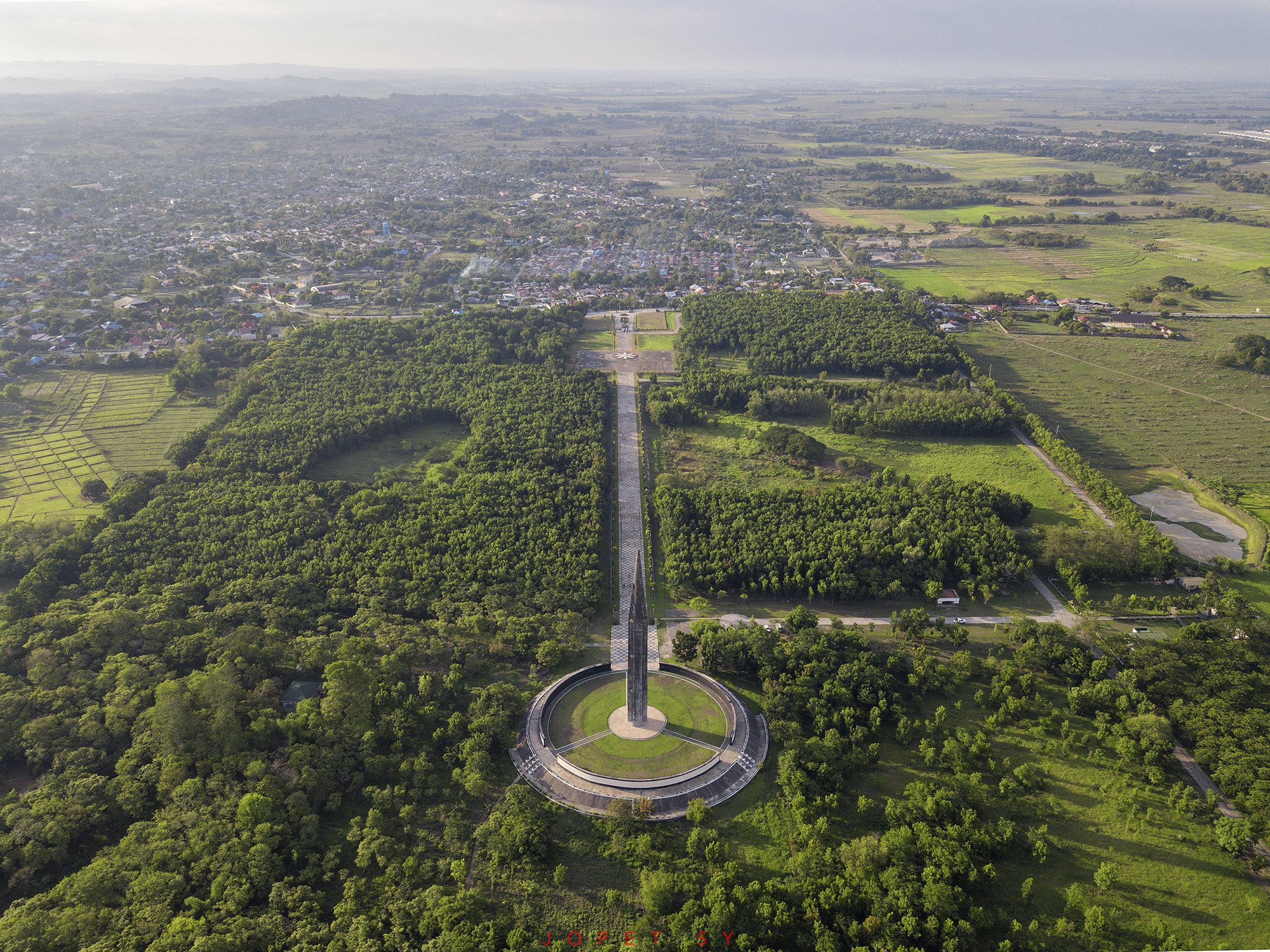
The province is famously diverse for its size: Kapampangan in the south, Ilocano and Pangasinan in the north, with Tagalog as the common language. This mix shows up in the food (Kapampangan kitchens are some of the best in the Philippines) and in the patchwork of churches, town fiestas, and old plantation houses. The Capas National Shrine, north of the city, marks the end point of the Bataan Death March and is the most significant World War II memorial in the country.
The flat plain made Tarlac one of the great sugar provinces under the Spanish and American periods, and the haciendas of the Cojuangco and Aquino families — long the political power centre of the country — are still here. Hacienda Luisita, just outside the city, remains the biggest single estate in the Philippines, and the Aquino Center on the estate tells the story of Ninoy and Cory. Up on a nearby ridge, the Monasterio de Tarlac offers the best long view of the plain.
Tarlac is on the North Luzon Expressway, about 125 km from Manila, an easy two-hour drive in normal traffic. Buses run constantly from Cubao and Pasay. The city has no airport of its own — the nearest is Clark, about 50 km south.