Asia > Qatar
Qatar is a small peninsula jutting into the Persian Gulf from the Arabian coast — roughly the size of Connecticut, with a population of about 3 million people, of whom fewer than 400,000 are Qatari citizens. The rest are migrant workers and expatriates who keep the country running. It is one of the wealthiest nations on earth per capita, built almost entirely on natural gas revenue.
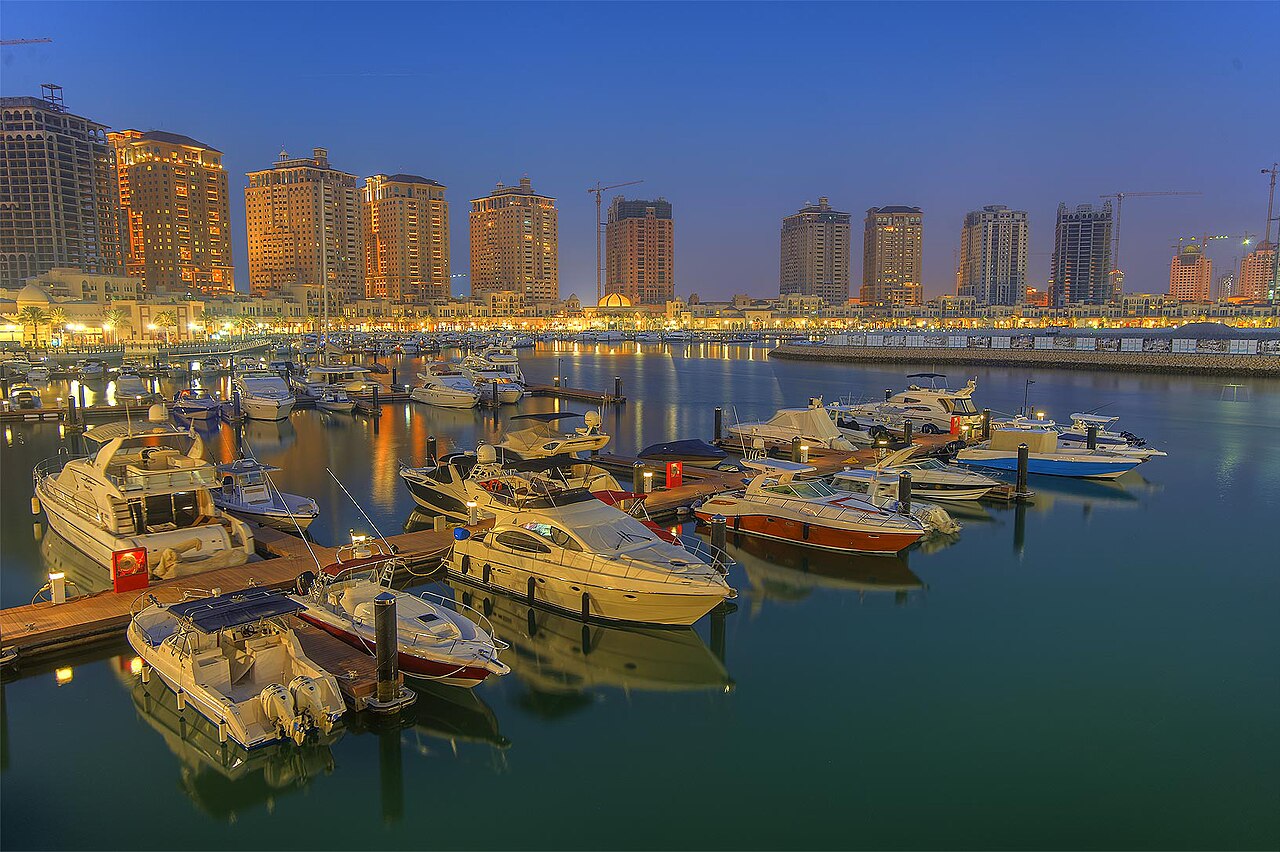
The 2022 FIFA World Cup put Qatar on the map for millions of travelers who had never previously thought about visiting. The country spent lavishly on stadiums, a new metro, roads, and tourist infrastructure, and much of that investment is still paying dividends. Hamad International Airport is now one of the best-connected hubs in the world, and Doha has emerged as a genuine cultural city — with world-class museums and a restored old quarter — rather than just a stopover.
Qatar is not a place you come to for scenery or adventure in the traditional sense. The interior is flat desert with a few limestone outcrops. The coast has some pleasant beaches. The real draws are the museums, the souqs, the desert, and the extraordinary contrast between an Arab Gulf state and a thoroughly international city. The National Museum of Qatar and the Museum of Islamic Art are genuinely worth your time.
Be clear-eyed about what Qatar is and is not. It is a wealthy, conservative Islamic state. Alcohol is available, but only in licensed hotel venues. LGBTQ+ travel carries real legal risks. Qatari citizens are a small minority in their own country; most people you encounter on the street are South Asian workers or Western expats. That social fabric is worth understanding before you arrive.
The best time to visit is October through April, when temperatures are tolerable. In summer the heat is brutal and outdoor time is essentially impossible.