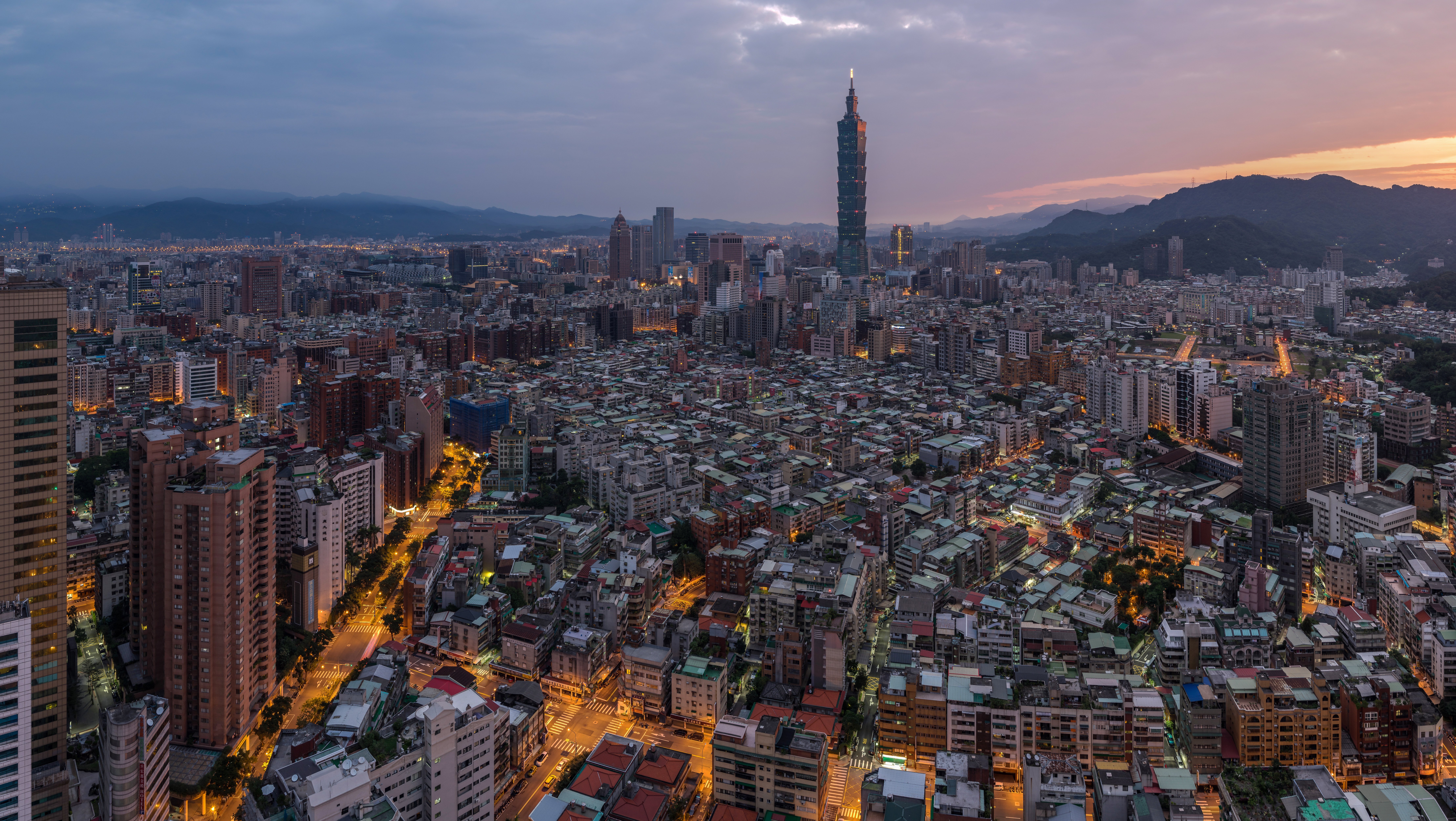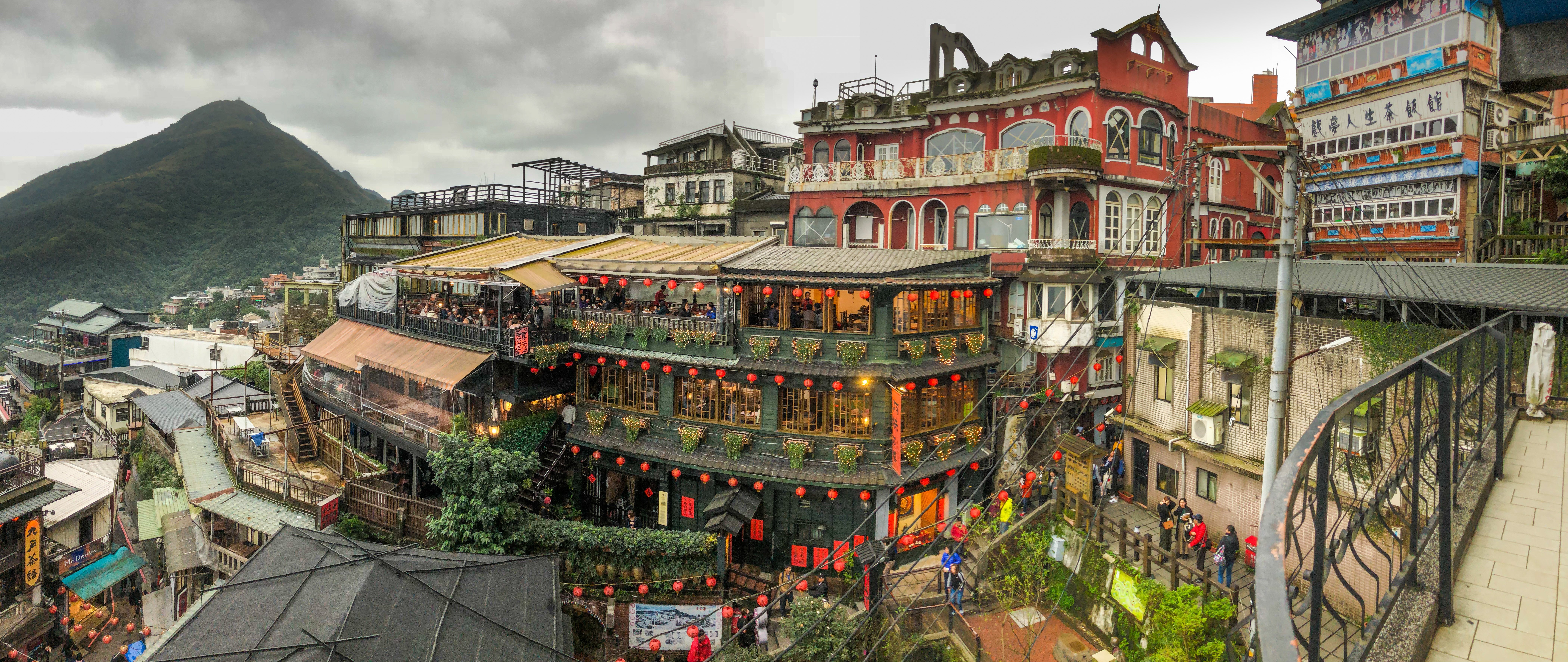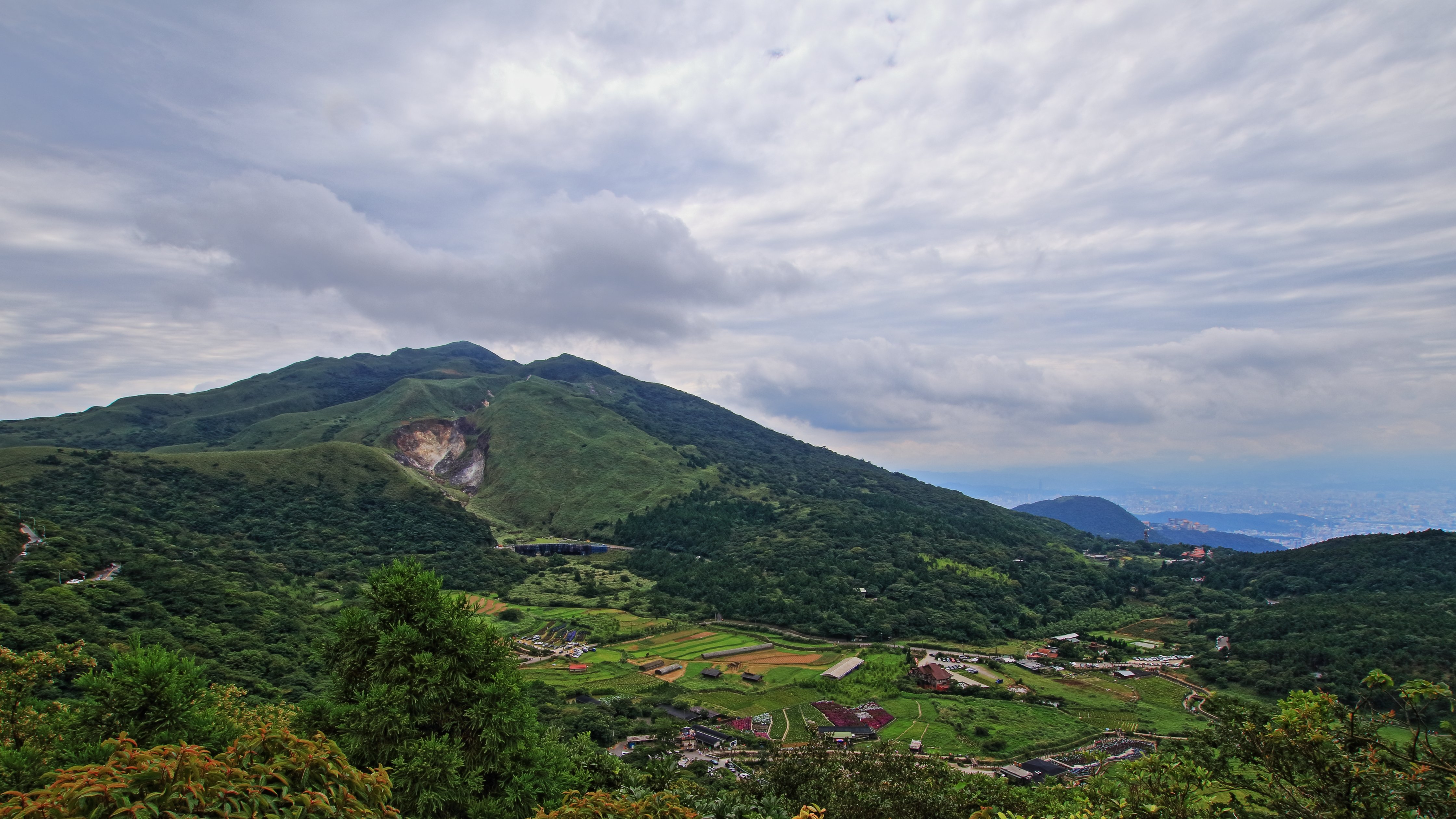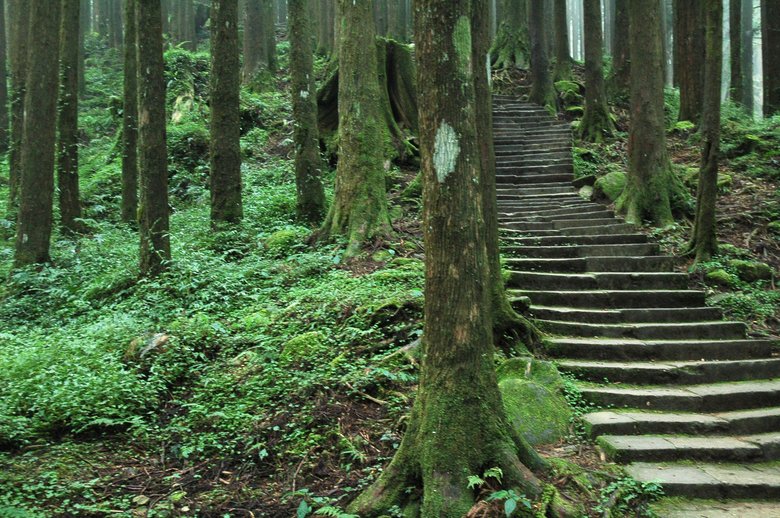
Taiwan is a small island of about 36,000 square kilometres sitting 160km off the southeastern coast of China. The Portuguese who first mapped it in the 16th century called it Formosa — beautiful — and the name fits. A central mountain range runs almost the entire length of the island, with over 200 peaks above 3,000 metres. The coast is dramatic, the forests dense, and the valleys terraced with rice and tea. Against all that natural backdrop, Taiwan has also built one of the most sophisticated and liveable urban cultures in Asia.
The island has a complicated political status — officially the Republic of China, a separate government from the People's Republic of China on the mainland, but not recognised as an independent state by most countries. This situation has persisted since 1949 and shapes much of Taiwan's history and culture. For travellers, the practical implications are minimal: Taiwan operates as a fully independent country with its own government, currency, and borders.
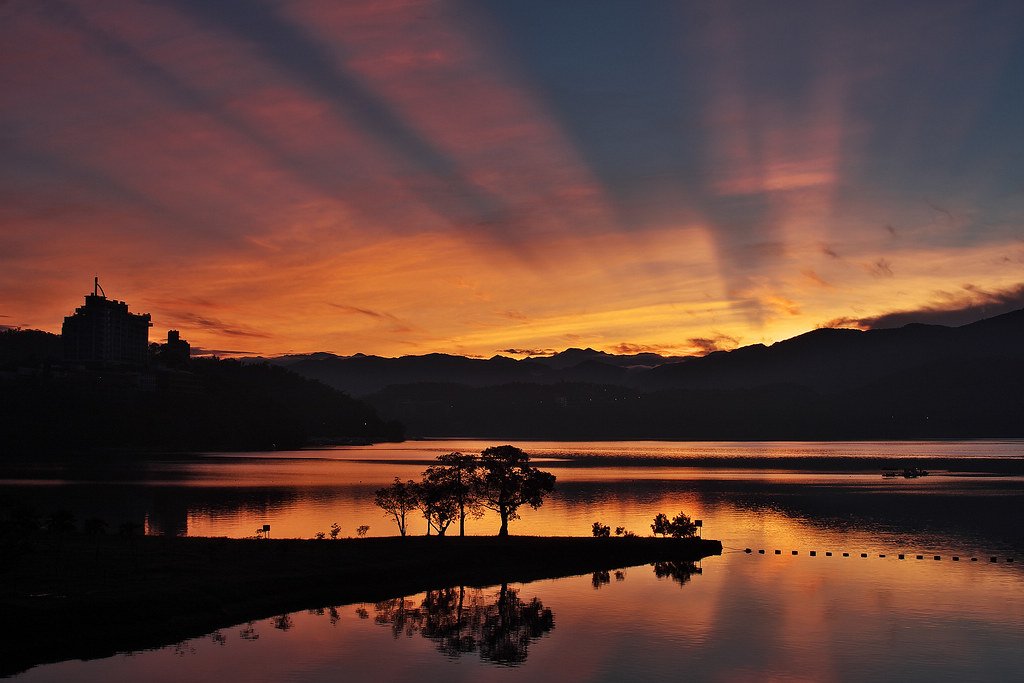
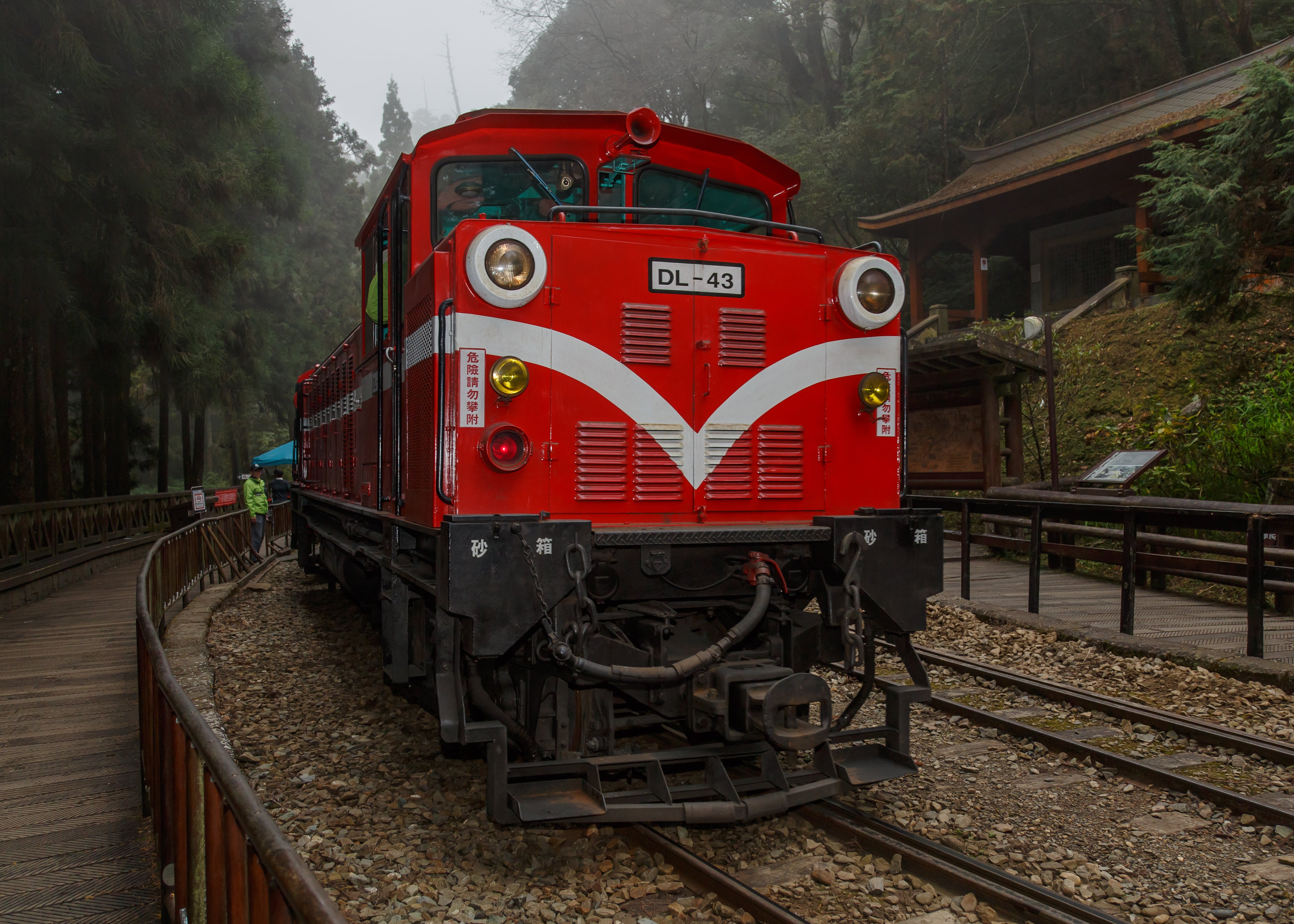
Taipei is the capital and the natural starting point. It has excellent food, a first-class museum, a thriving café and design culture, and easy connections to the rest of the island. But confining yourself to Taipei misses much of what makes Taiwan distinctive. The east coast, accessible by train through Taroko Gorge, offers some of the most spectacular scenery in Asia. Tainan in the south is the oldest city, with the best temples and arguably the best street food. Alishan and Sun Moon Lake in the centre are both genuinely beautiful, not just tourist-brochure beautiful.
Taiwan's food culture deserves special attention. The night markets are not tourist attractions — they are where people actually eat, every night, across the whole island. The combination of Taiwanese, Japanese, and Chinese culinary influences, refined over decades of competitive street-food culture, produces results that reward serious attention. Bubble tea was invented here, but so was much else.
The transportation infrastructure is excellent. The High-Speed Rail covers the west coast in a matter of hours, and the Taiwan Railways Administration serves the east coast and slower scenic routes. Getting around without a car is straightforward and cheap.
Destinations
- Taipei — the capital, with night markets, temples, and Taipei 101
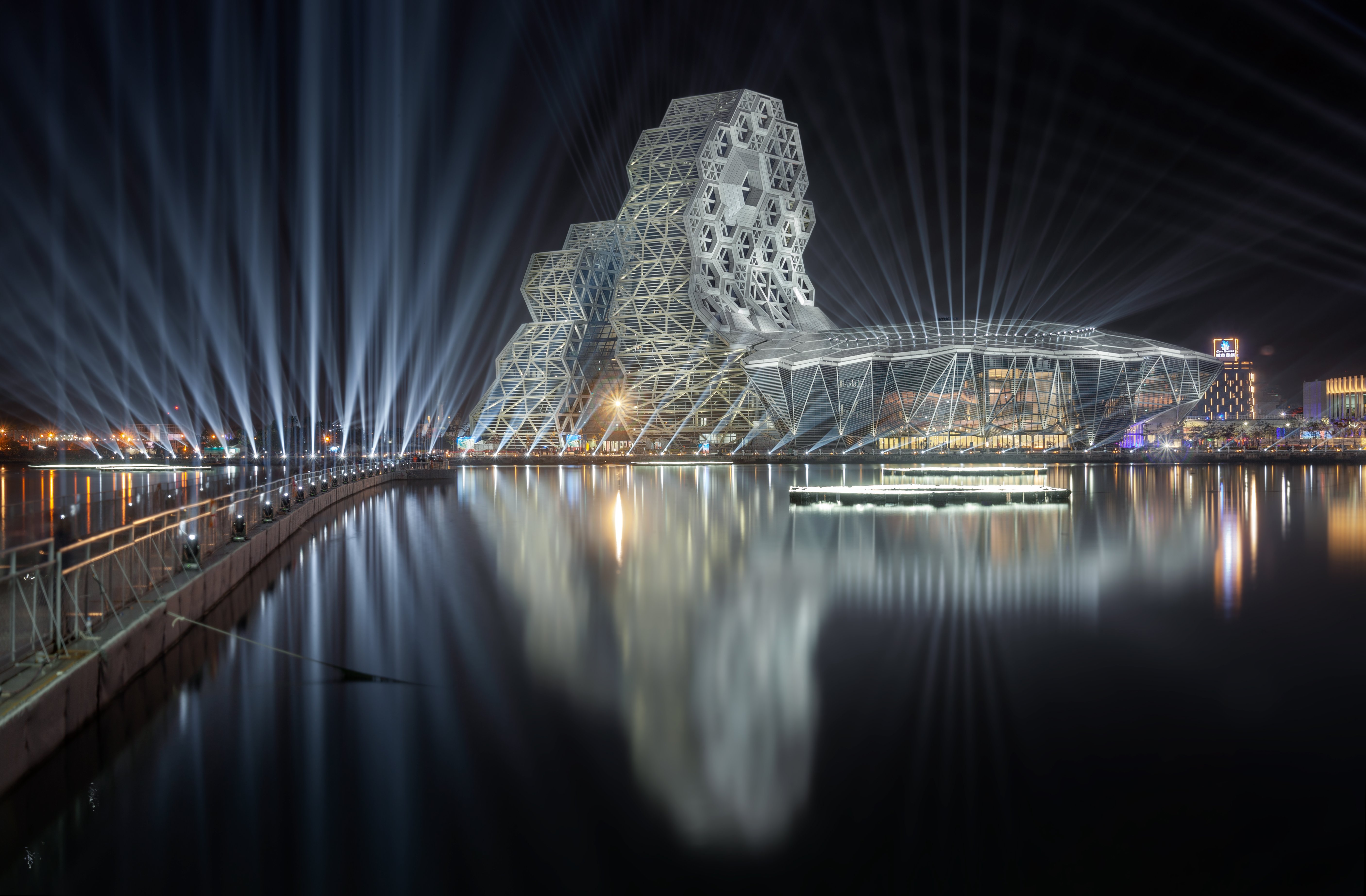
- Kaohsiung — southern port city with a revitalised harbour front
- Tainan — Taiwan's oldest city; temples and street food
- Taichung — central Taiwan's main city; base for Sun Moon Lake
- Keelung — port city north of Taipei with a famous night market
- Taoyuan — near the main international airport
- Alishan — mountain resort; sea of clouds and ancient cypress forest
- Sun Moon Lake — Taiwan's largest lake, in the central highlands
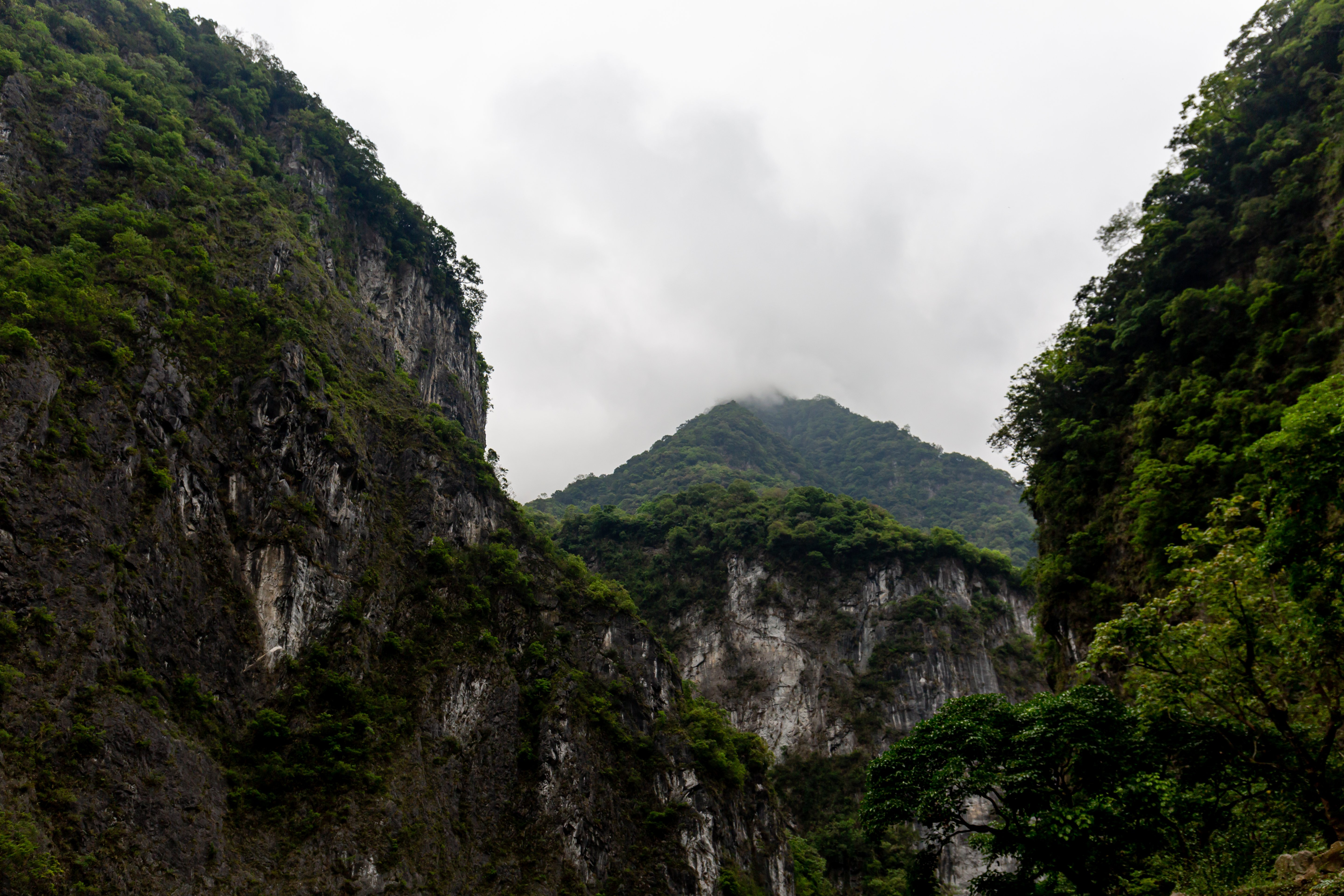
- Taroko Gorge — marble canyon; the island's most dramatic natural sight
- Kenting — beach resort at the southern tip
- Cimei — southern Penghu island with basalt coast and stone fish weirs