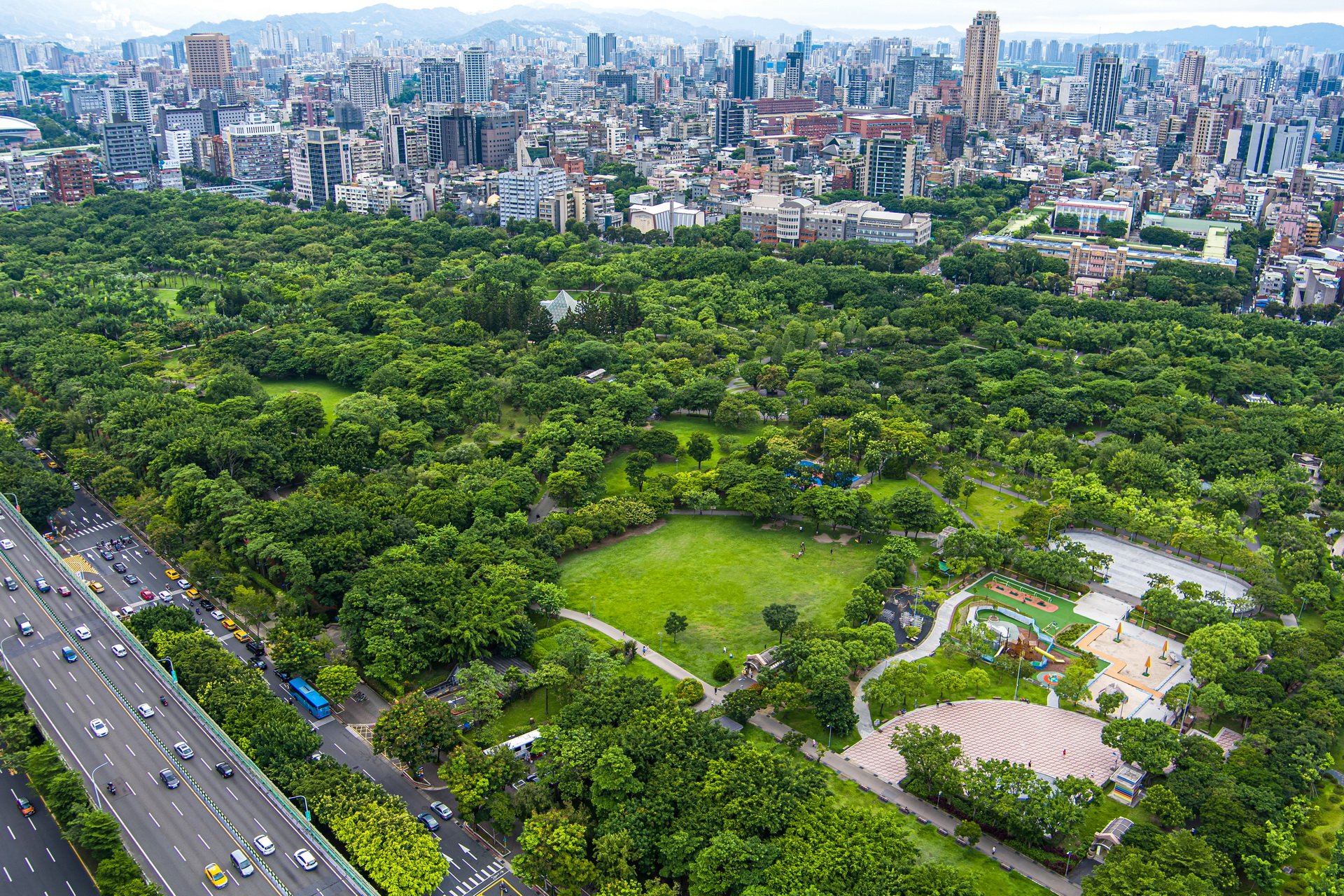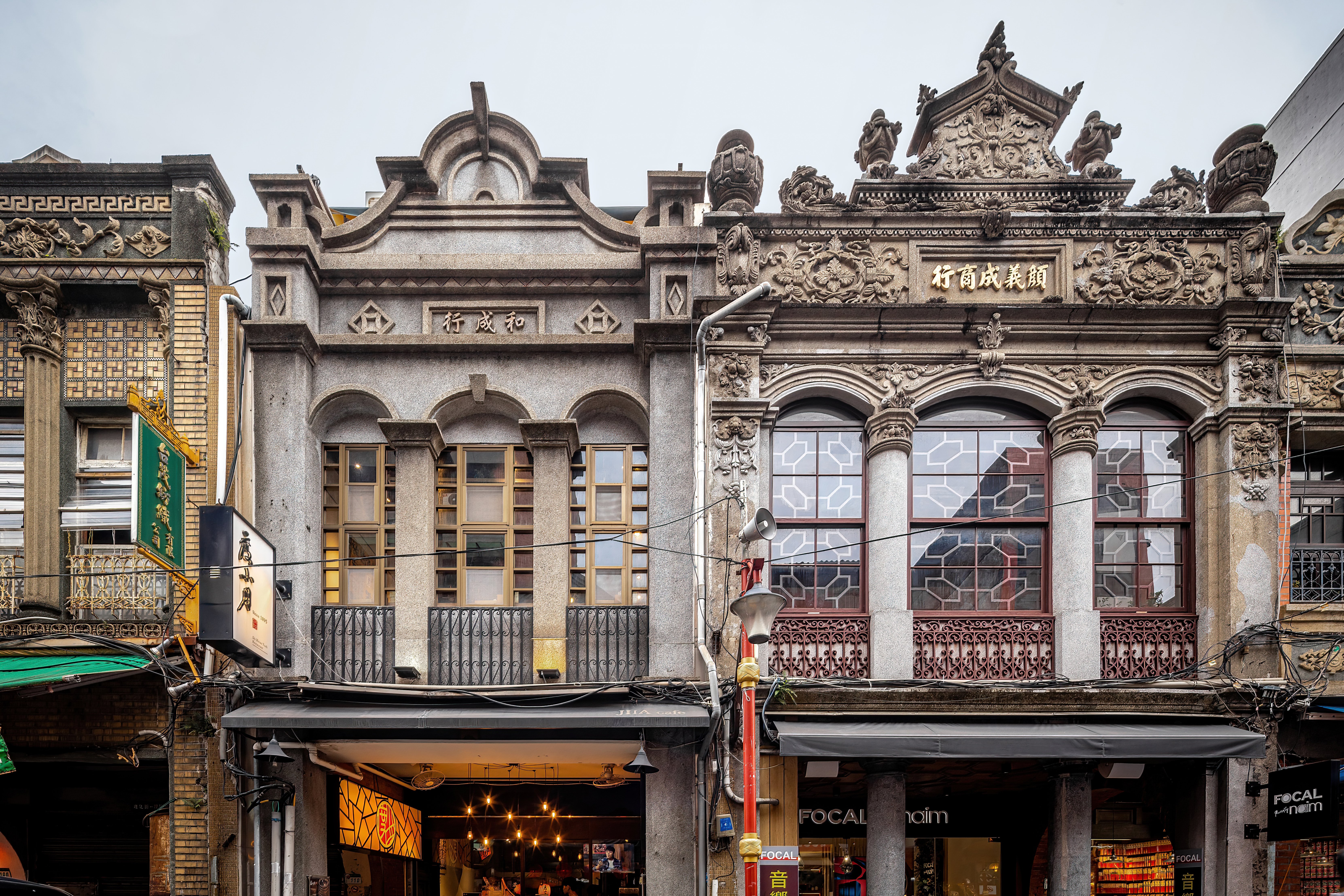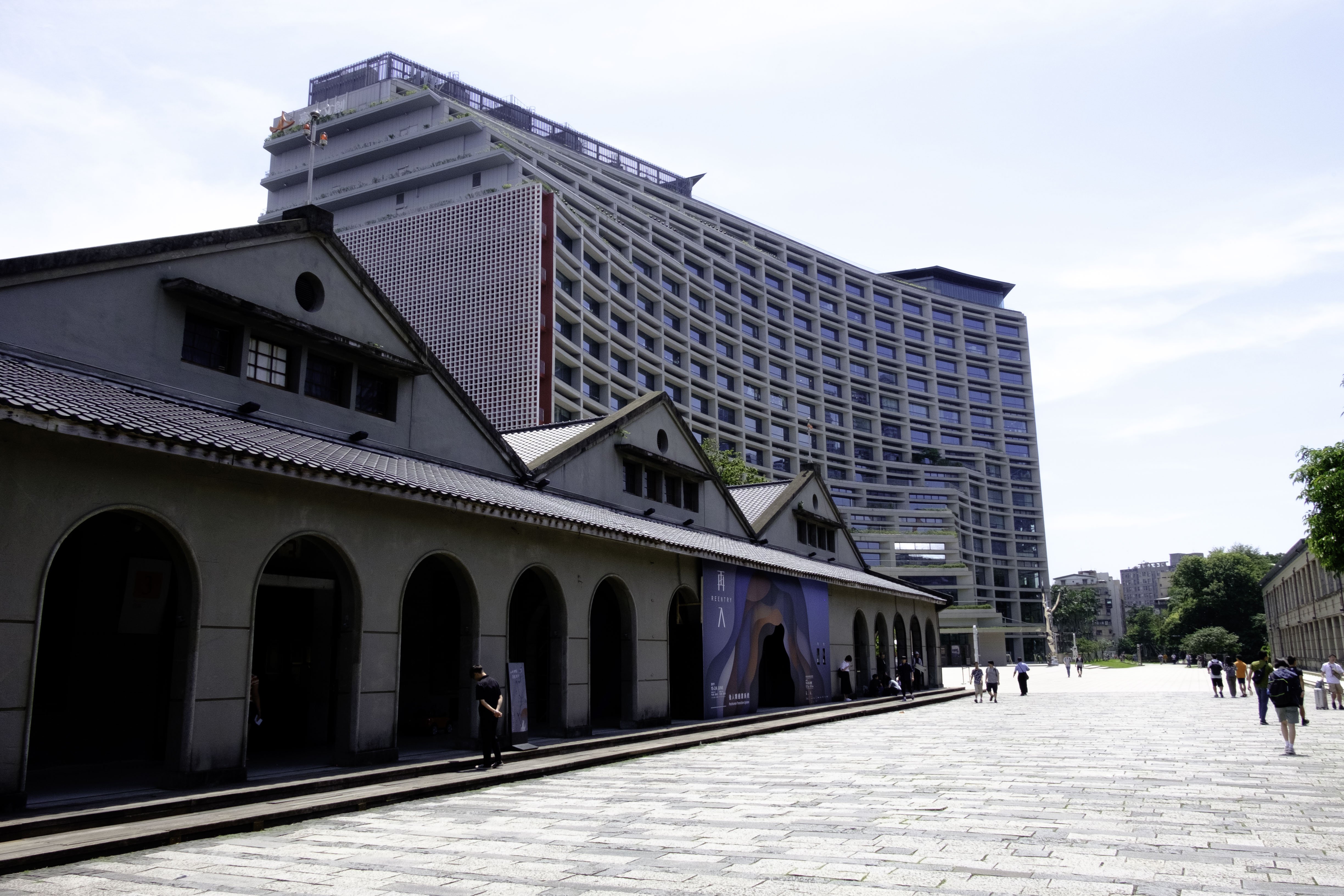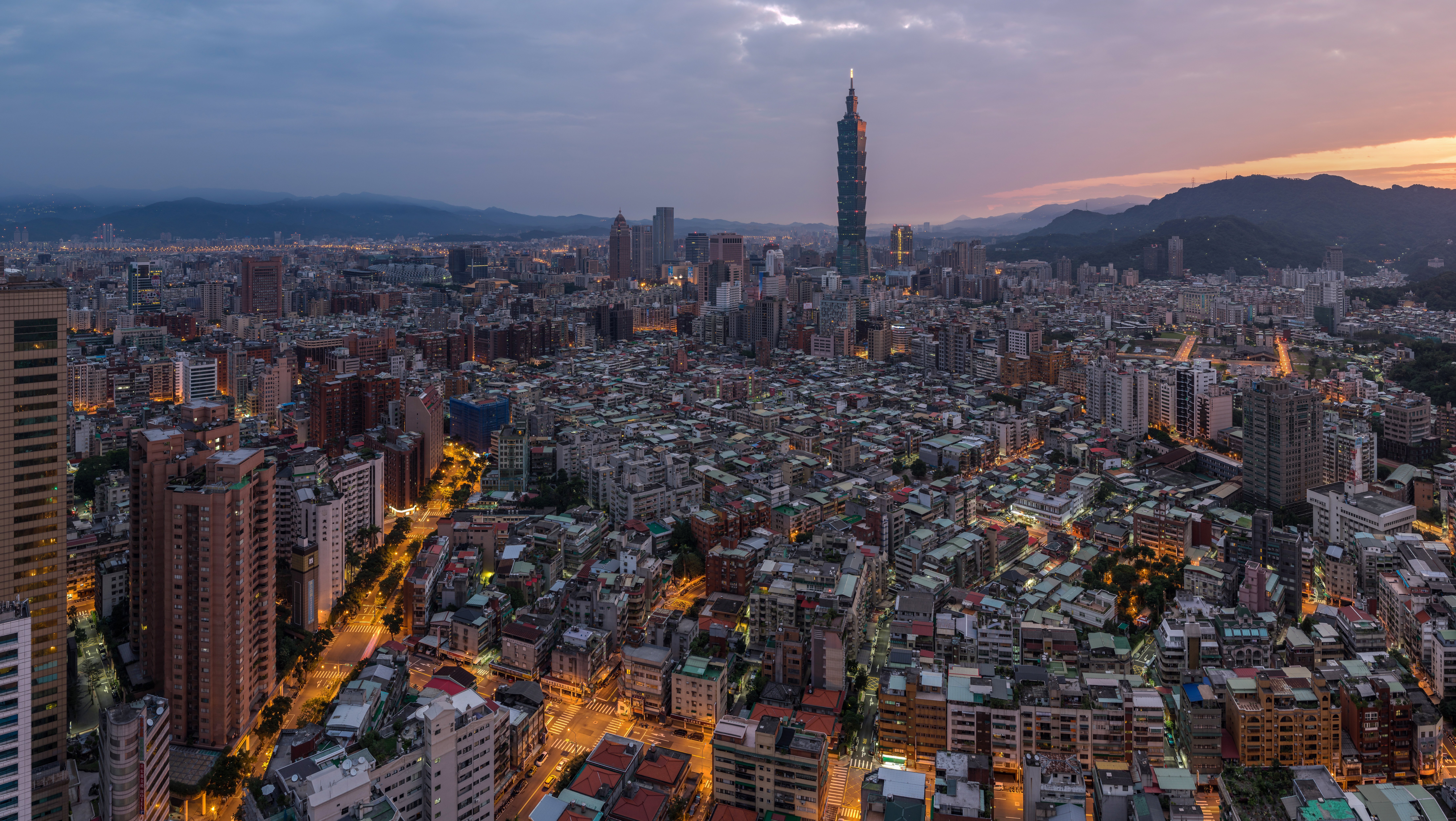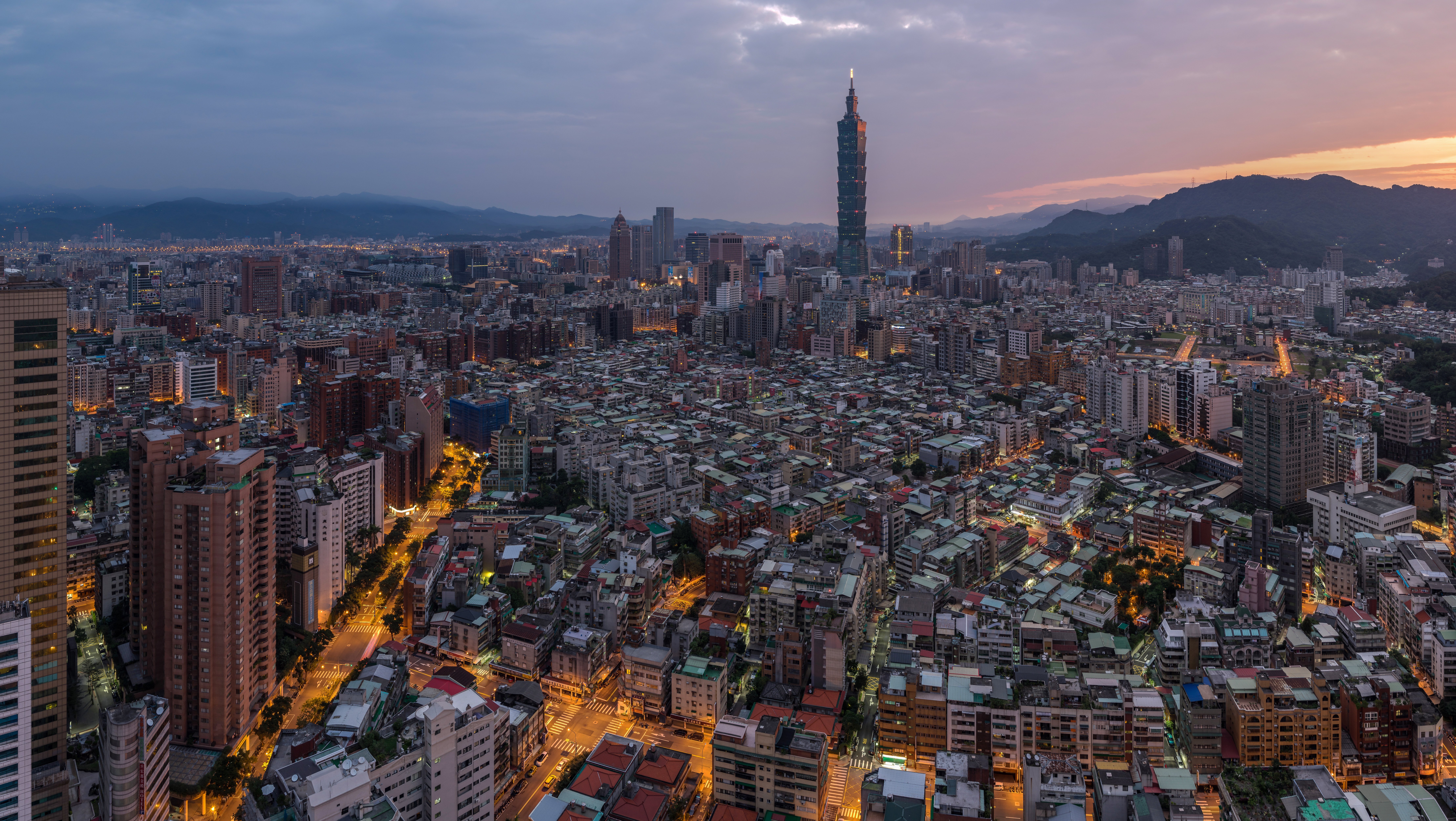
Taipei is the capital and by far the largest city in Taiwan, home to about 2.6 million people in the city proper and around 7 million in the greater metropolitan area. It sits in a basin surrounded by low mountains, with the Danshui River running along its western edge. The city has rebuilt itself almost entirely since 1949 and is thoroughly modern, though older temple districts and Japanese colonial buildings survive in pockets throughout.
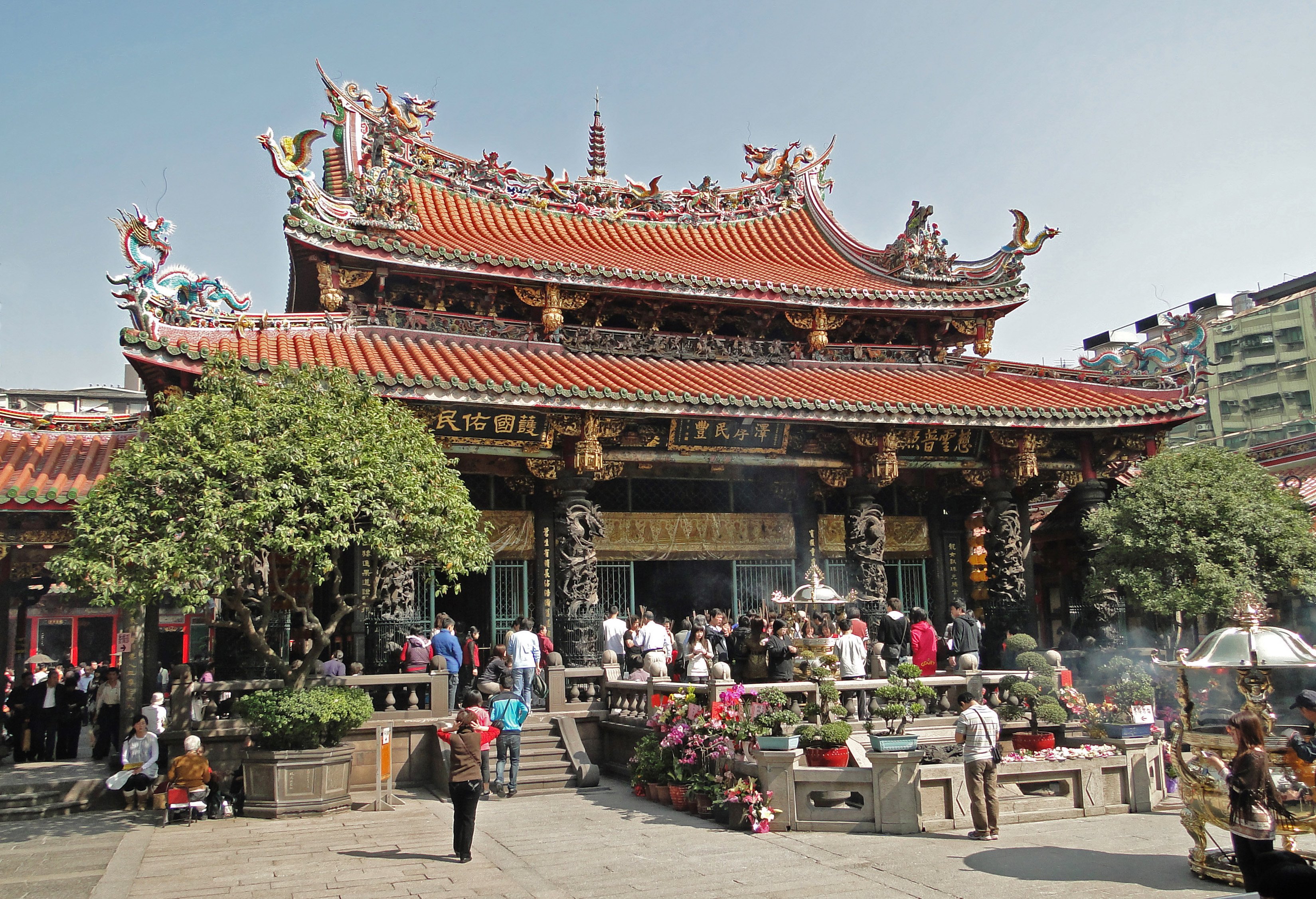
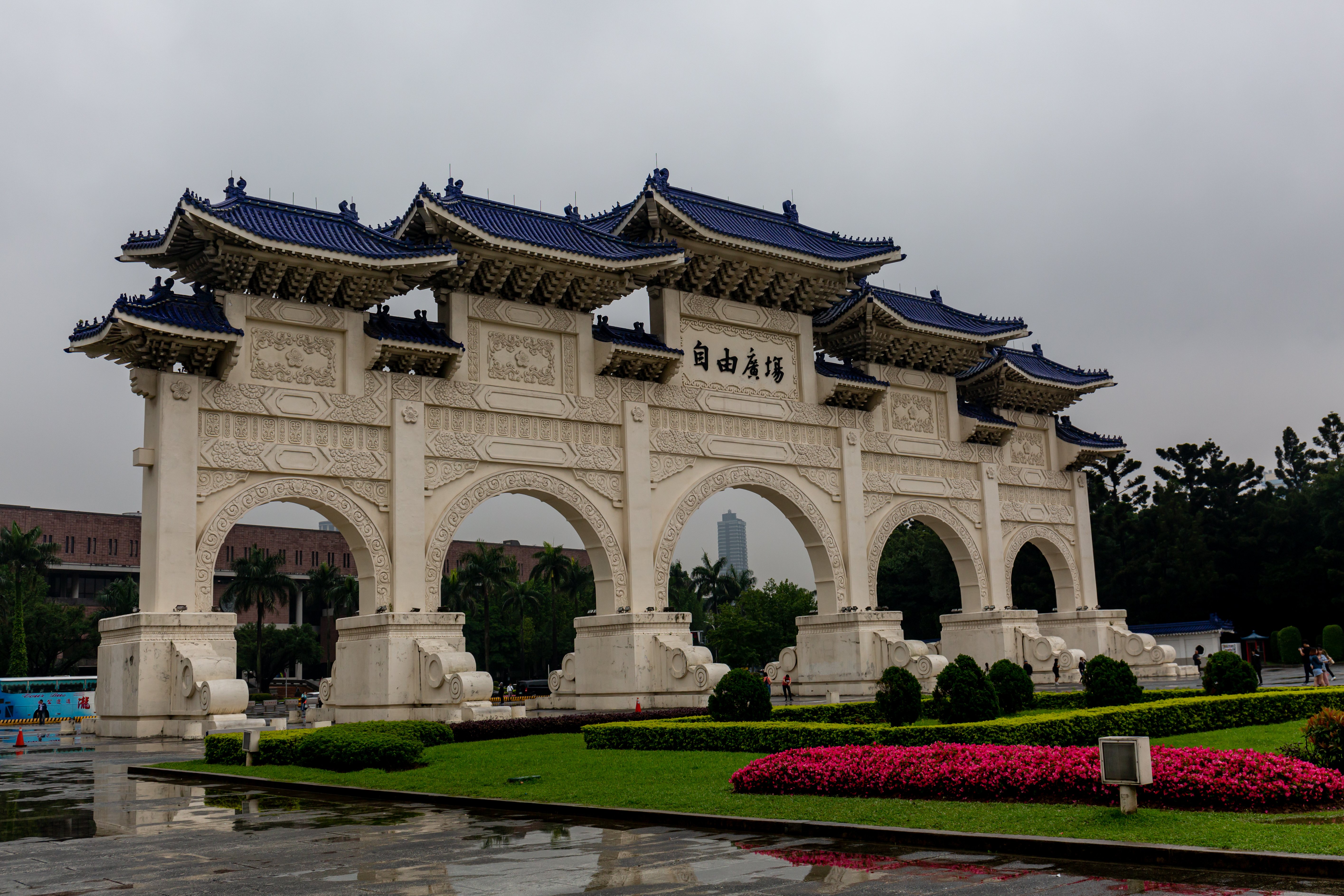
The must-see list is well known: the National Palace Museum (one of the great collections of Chinese imperial art, housed in a purpose-built complex in the north of the city), Taipei 101 (the iconic tower in the Xinyi district), and the Chiang Kai-shek Memorial Hall (an imposing ceremonial complex in the city centre, with changing-of-the-guard ceremonies that draw crowds). Longshan Temple in Wanhua is the oldest and most atmospheric surviving temple in central Taipei, particularly atmospheric in the evening when worshippers are active.
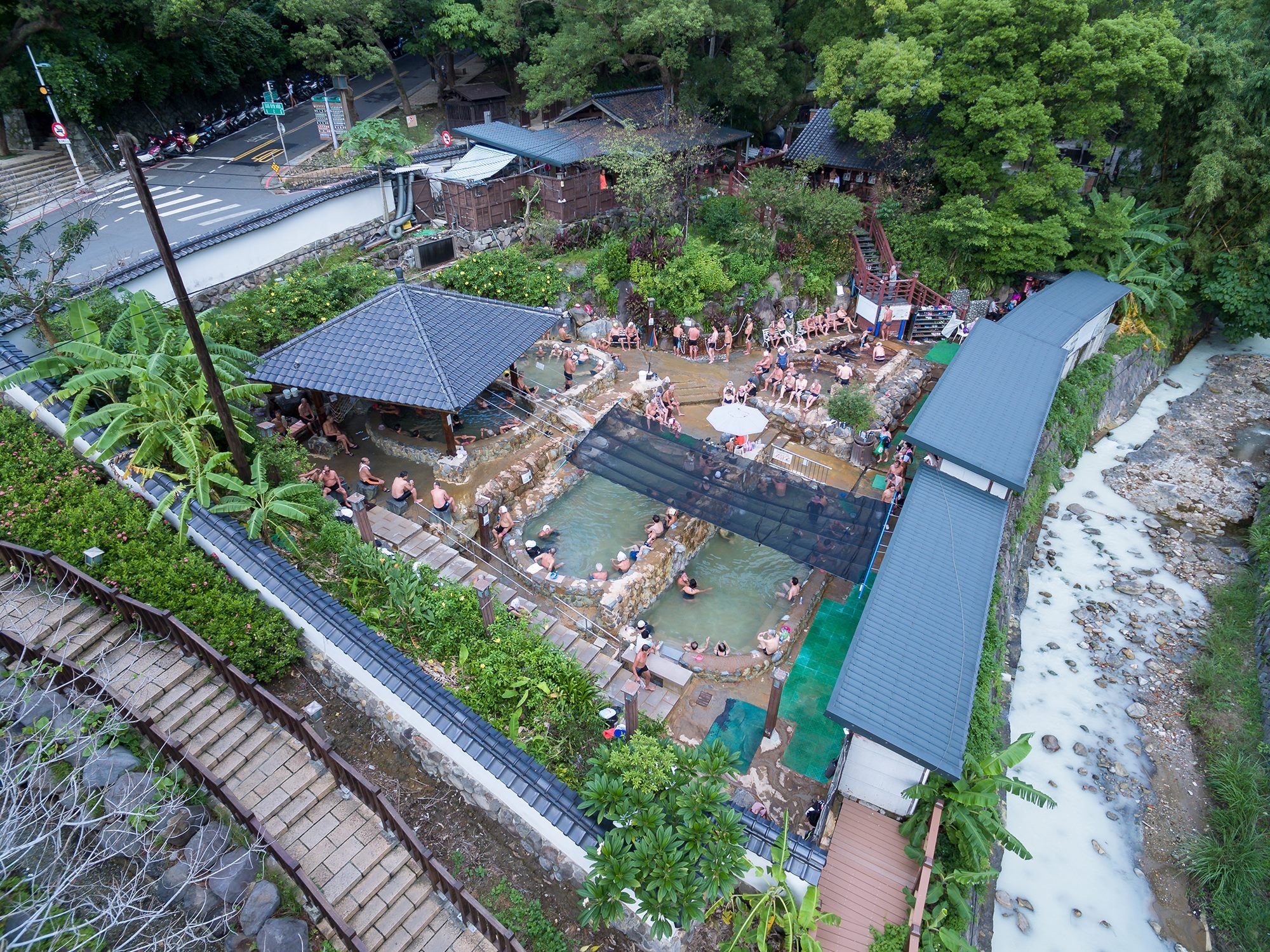
The Beitou district in the north has hot spring hotels and bathhouses — a Japanese-era legacy that has survived intact. The Yangmingshan National Park, accessible by bus from the city, has hiking trails, volcanic craters, and flower gardens above the city smog.
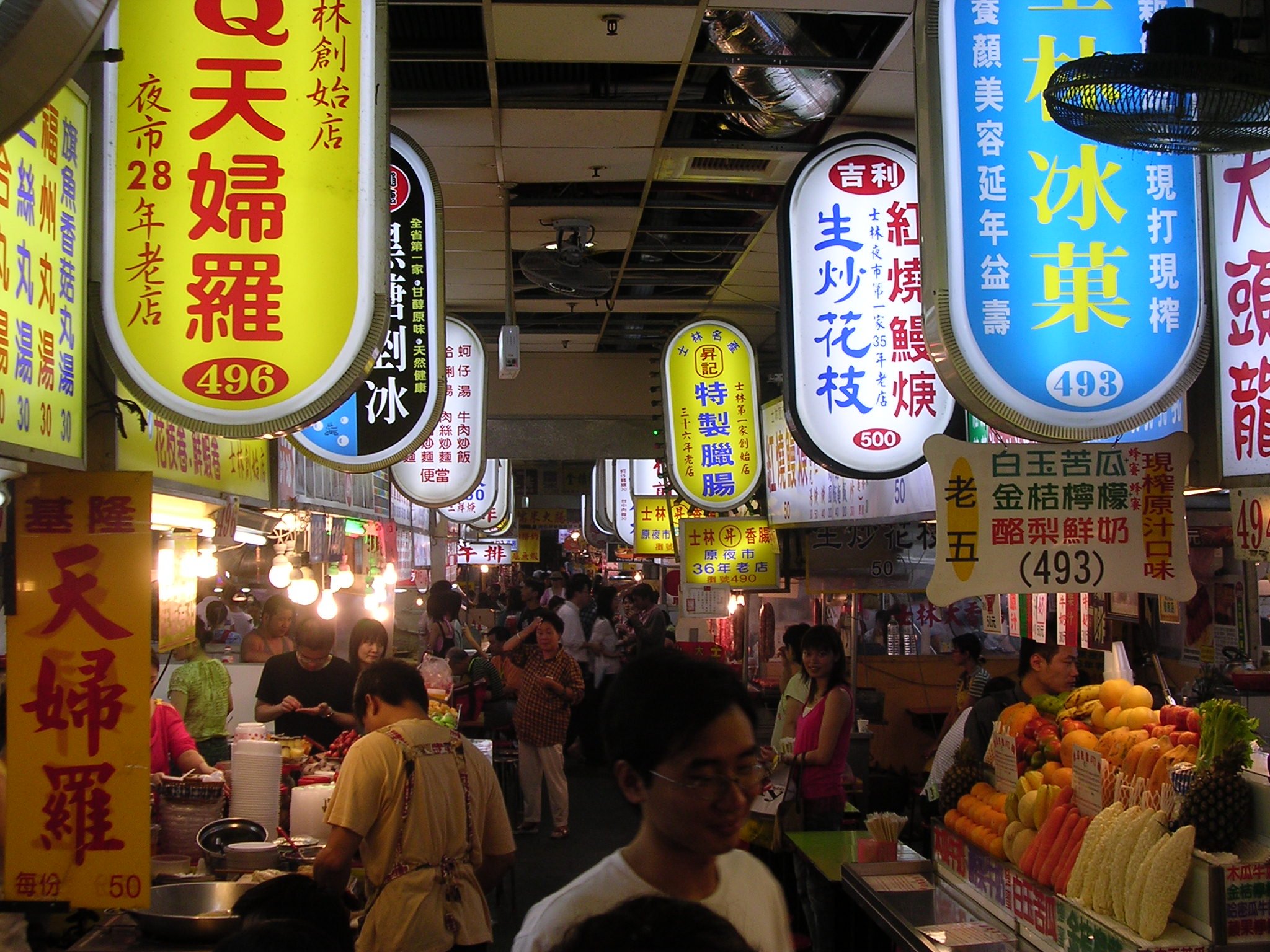
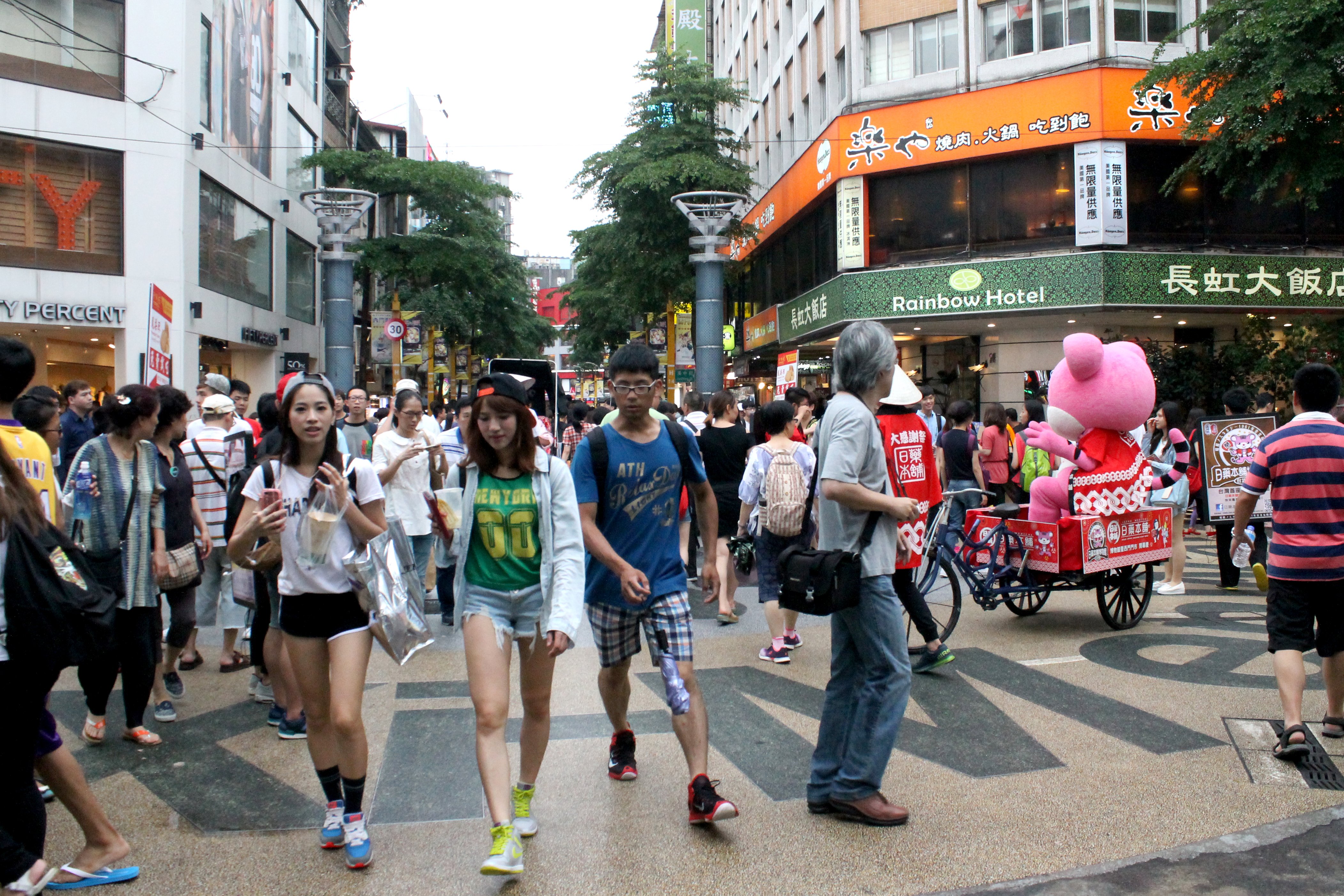
Taipei's real texture is in its night markets and streets. Shilin Night Market is the most famous and the most touristic; Raohe Street and Ningxia markets feel more local. The café culture in Da'an District and the Yongkang Street area is excellent by any international standard.