Southeastern Turkish city known for its food culture, especially baklava, pistachios, and kebabs.
Asia > Turkey > Gaziantep
Gaziantep is Turkey's food capital — a city whose culinary reputation extends far beyond its borders and whose residents will tell you with complete seriousness that everything you know about baklava is wrong until you have eaten it here. The city has built an entire museum around its cuisine, and the local tradition of food knowledge — which restaurants opened when, whose grandmother invented which recipe — runs through daily life with the intensity of an oral history project.
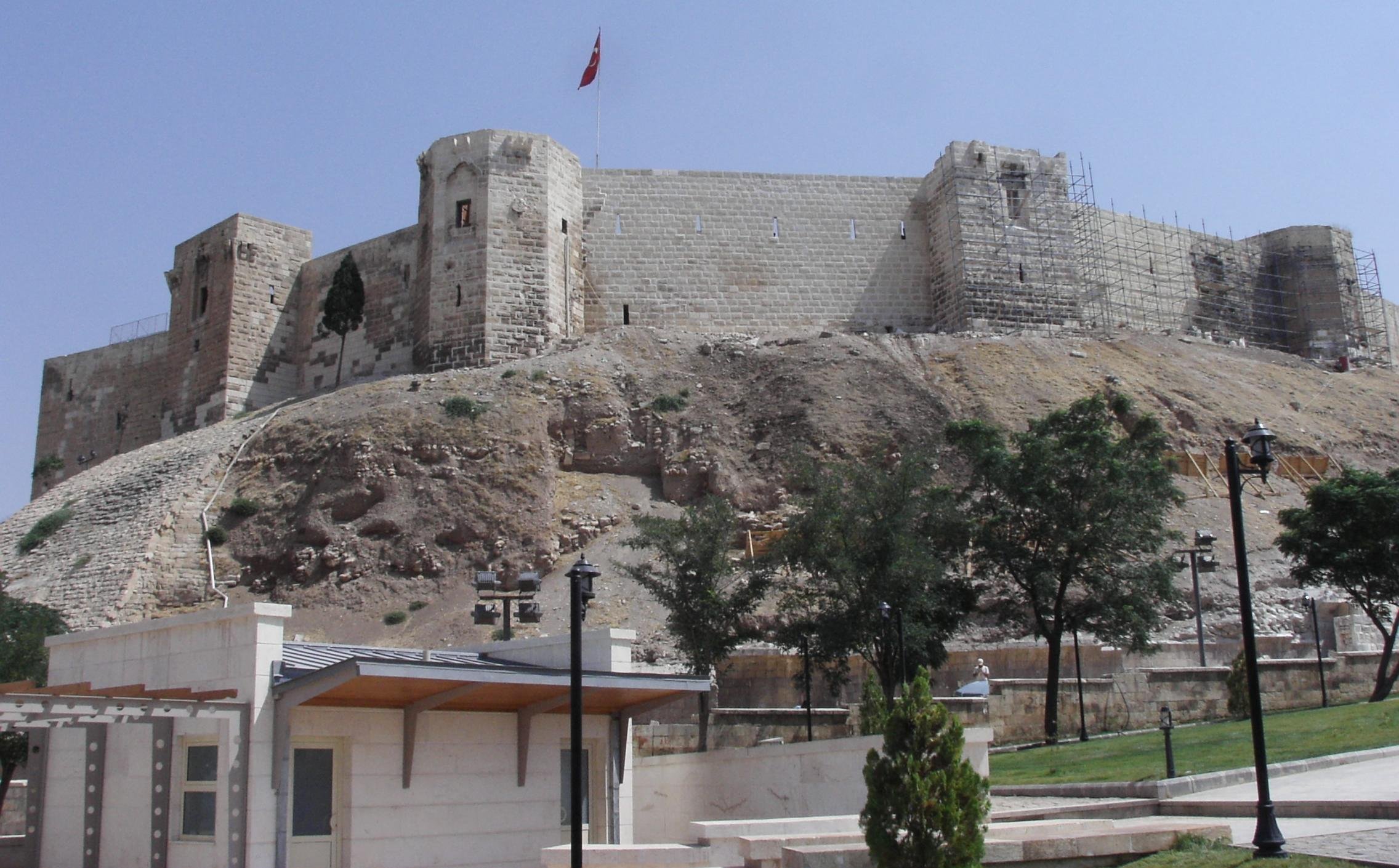
The gastronomic identity is grounded in Gaziantep's position at the edge of the Fertile Crescent, where Anatolian, Arab, and Kurdish culinary traditions converge. But the city has other claims to attention: the Zeugma Mosaic Museum houses one of the world's great collections of Roman mosaic art, salvaged from an ancient city submerged when the Birecik Dam was built. The Gaziantep Castle dominates the centre from a basalt mound that has been fortified since at least the second century CE. And the old copper bazaar and historic caravanserais preserve a tangible sense of the Silk Road city this once was.
Gaziantep sits 185 kilometres east of Adana near the Syrian border, and the proximity is reflected in the population — the city has absorbed hundreds of thousands of Syrian refugees since 2011, and Syrian Arabic is now widely spoken in some neighbourhoods. The old city is compact and walkable; the surrounding streets of restored Ottoman-era houses are among the most attractive in eastern Turkey.
The city is best known internationally for its pistachio baklava, its kebabs (especially the local spicy variety called beyran), and its olive-oil soap. All three are worth seeking out. Come hungry.
Guide
Eating Out
Eating in Gaziantep is the point of the visit, and the city's restaurants take themselves seriously. The specialties are: baklava (the local version uses fresh pistachios and a much thinner, crisper pastry than anywhere else — the best shops are open from early morning until the day's batch is sold out); beyran (a spicy lamb and rice soup eaten for breakfast, pale amber from rendered fat, intensely flavoured); katmer (flaky pastry filled with pistachios and cream, also a breakfast item); and various kebabs particular to the city, especially the spicy minced lamb Ali Nazik variety served with smoky aubergine.
The old bazaar area near the castle has the densest concentration of traditional restaurants. İmam Çağdaş on Uzun Çarşı is the most famous baklava maker, open since 1887, and worth the queue. For beyran at breakfast, Metanet near the castle is a city institution. For a broader spread of Gaziantep cuisine in a restored han (caravanserai), the restaurants around the Atatürk Cultural Centre area offer the most atmospheric setting.
Guide
When to Go
Gaziantep has a continental climate with hot summers and cold winters. Spring (April–May) and autumn (September–October) are the best times to visit — temperatures in the 15–25°C range, low humidity, and pleasant conditions for walking the bazaars. Summer (June–August) is hot and dry, sometimes exceeding 40°C.
The pistachio harvest in late summer is when the local specialties are freshest — the baklava makers switch to the new crop in September, and locals consider this the best time for sweets. Winter is cold and occasionally snowy, but the old city covered markets are comfortable year-round.