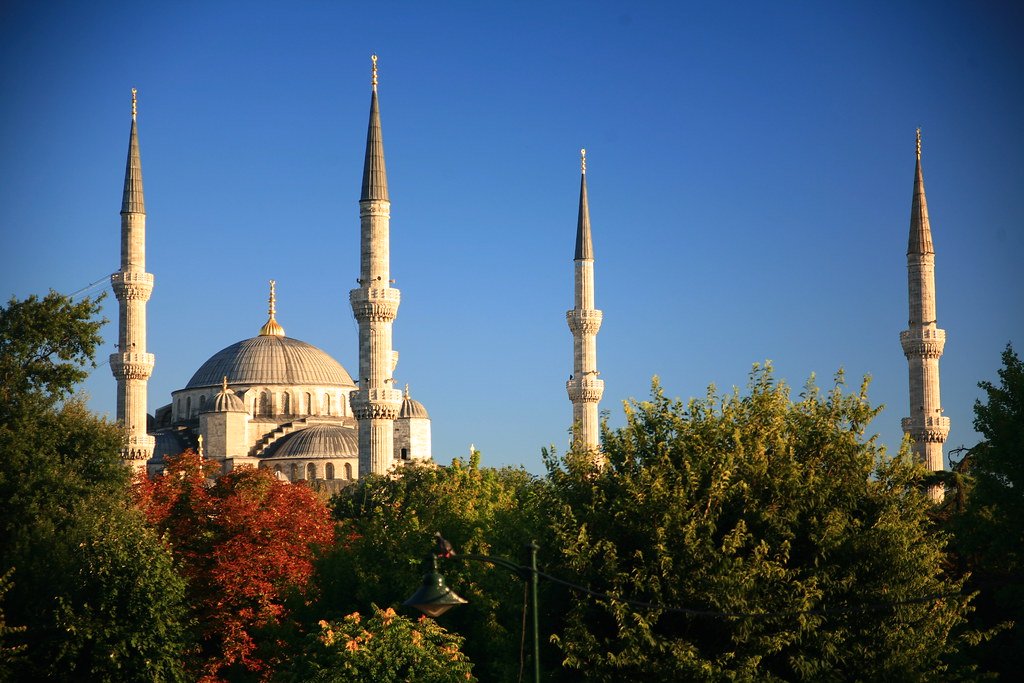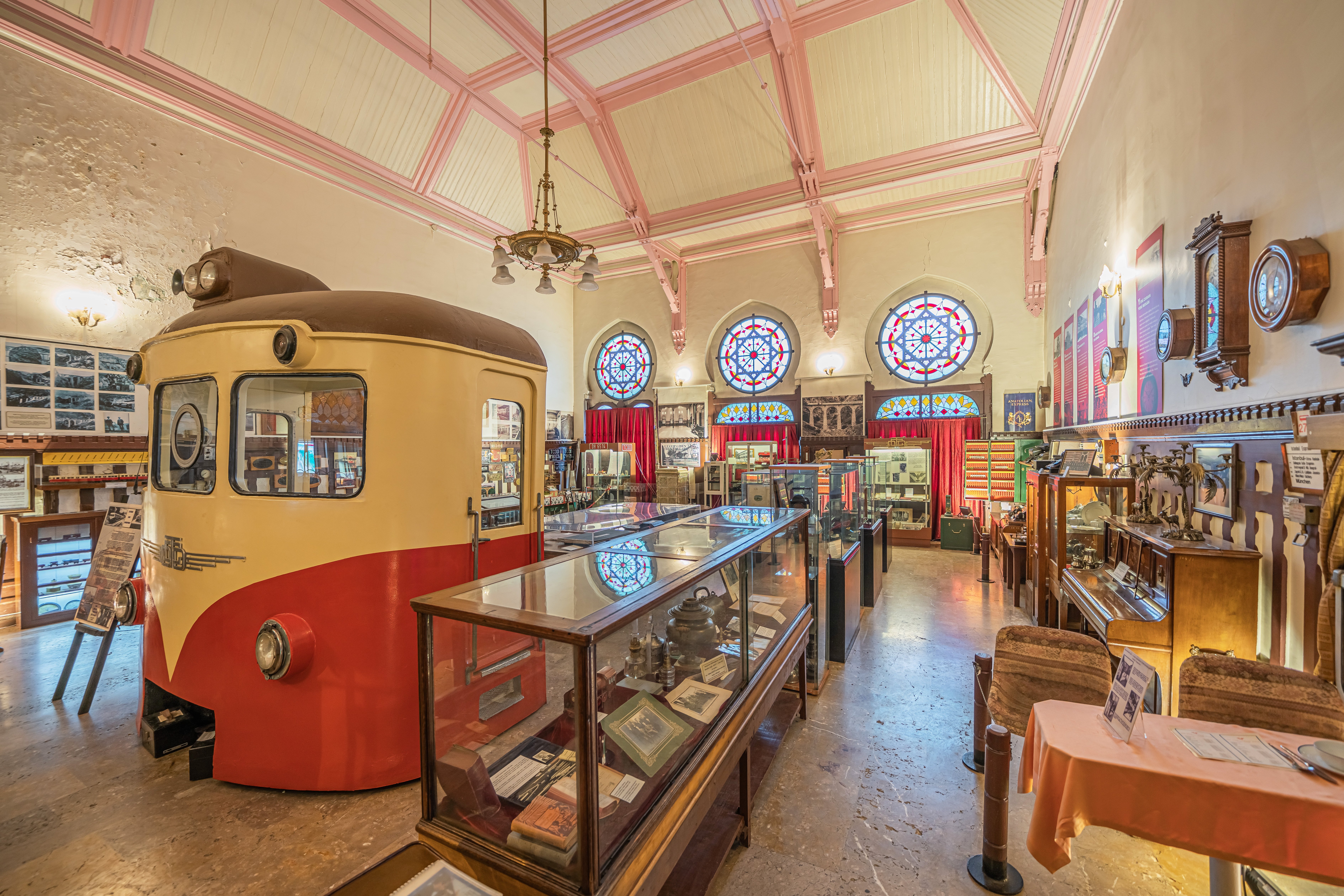
No city in the world has been a capital of two empires for so long, on two continents, straddling a strait that separates Europe from Asia. Istanbul is overwhelming in the best possible sense — the kind of place that makes other cities feel thin.
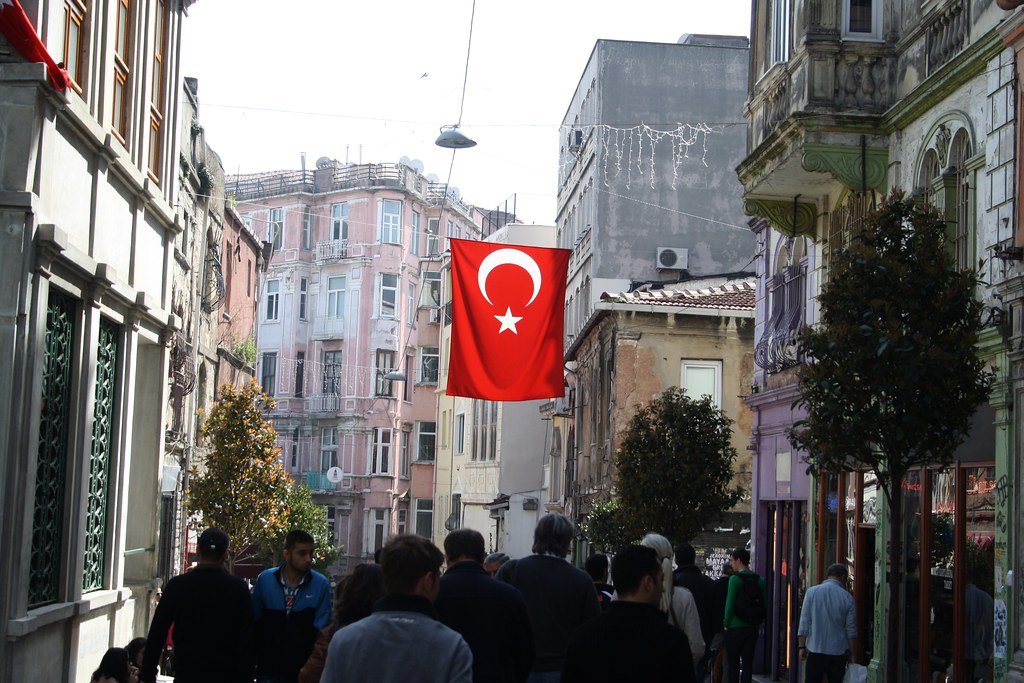
The historic peninsula packs an impossible density of monuments. Hagia Sophia alone rewards an entire morning; Topkapı Palace rewards a full day. The underground cisterns, the Theodosian Walls, the Chora Church mosaics — there's always something being underestimated. The Grand Bazaar is one of the world's great markets; the Süleymaniye Mosque is, many would say, Istanbul's finest. Across the Golden Horn, Beyoğlu is the city's modern nerve: Istiklal Caddesi buzzes from morning to well past midnight, with the side streets packed with bars, jazz clubs, and meyhanes around Asmalımescit.
The Asian side feels like a different city entirely. Kadıköy has a more relaxed, intellectual character — better food, cheaper beer, fewer tourists. The best restaurant in the city may well be Çiya Sofrası, a 20-minute ferry ride from Eminönü. Don't miss the Princes' Islands, a 45-minute ferry through the Sea of Marmara.
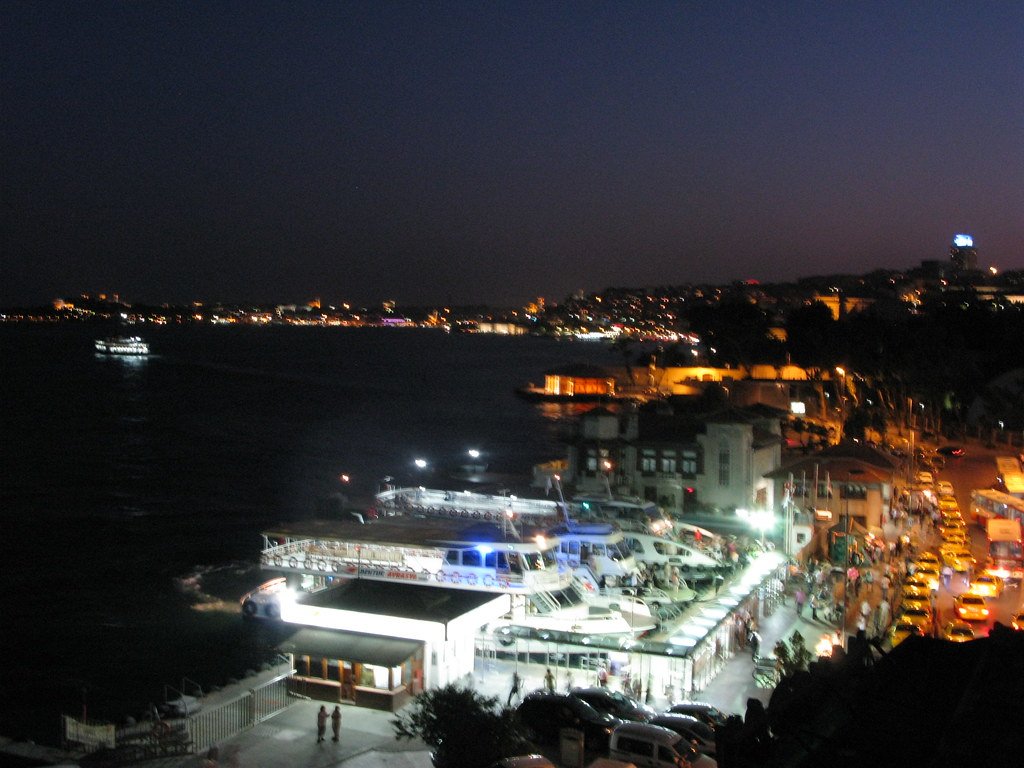
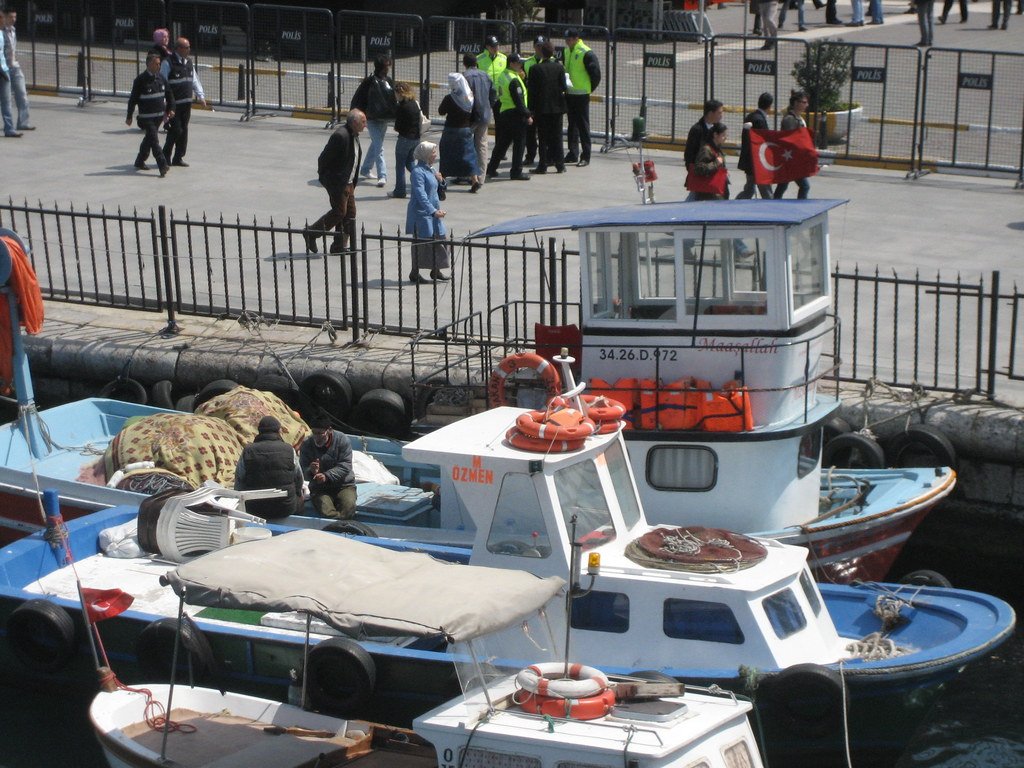
The Bosphorus ties it all together. A commuter ferry from Karaköy to Kadıköy costs almost nothing and gives you a better view of the city than any tourist boat. Do that first.
Spring and autumn are the best times to visit. July and August are hot, humid, and crowded. Winter is cool and wet but has its own pleasures — quieter museums, moody fog on the water.