Turkey — or Türkiye, as it has officially styled itself internationally since 2022 — is one of the most rewarding countries to travel in. It sits at the intersection of Europe and Asia, and that geographical fact plays out in everything: the food, the architecture, the people's self-understanding, the politics. You can stand on the Bosphorus in Istanbul and watch tankers cross from one continent to the other. The effect never quite wears off.
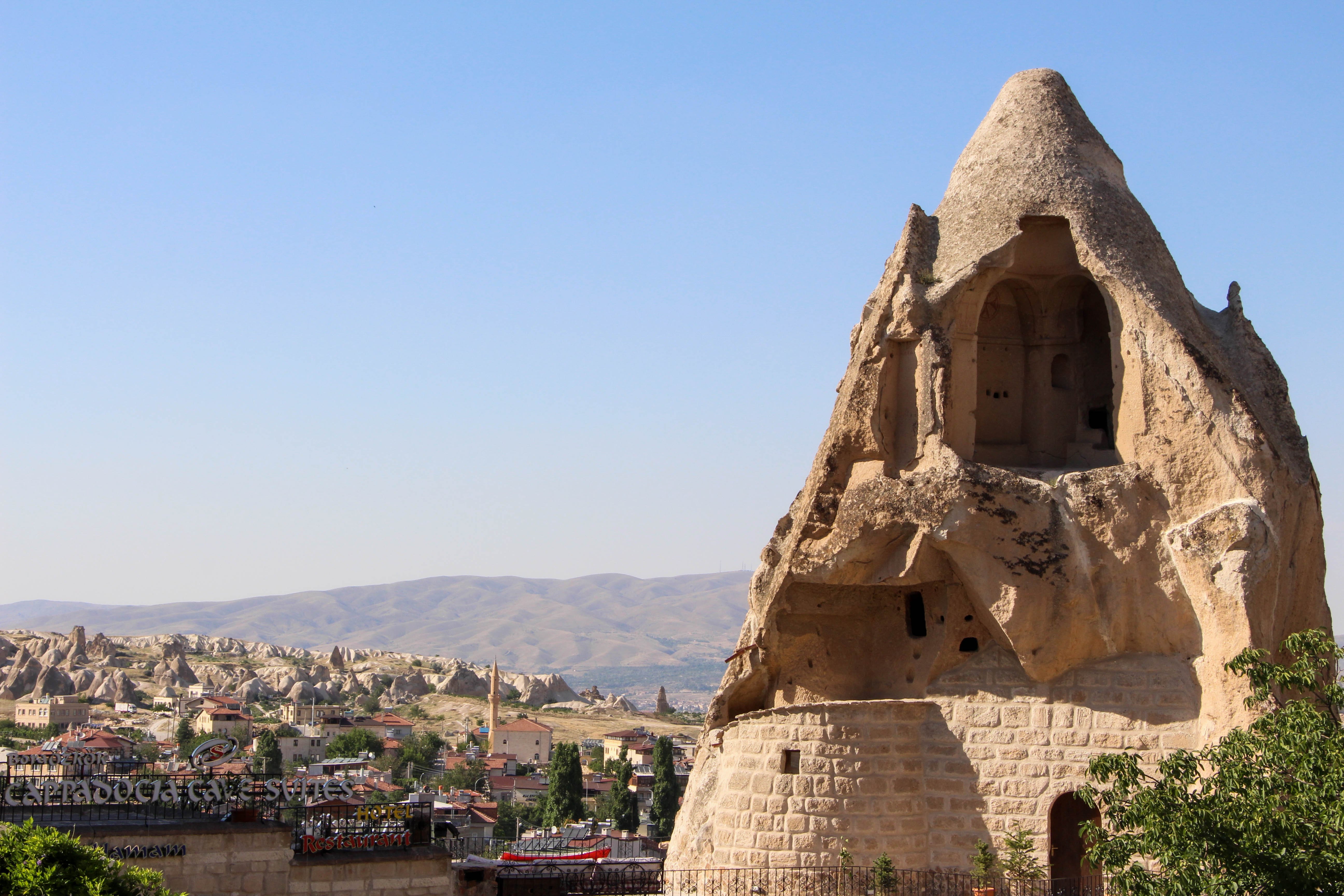
The country is large — roughly the size of Texas — and enormously varied. The Aegean coast has ancient Greek and Roman ruins tucked between coves and resort towns. Cappadocia in central Anatolia has a landscape so strange it looks sculpted: fairy chimneys, underground cities, valleys carved by wind and water. The Black Sea coast is green and rainy and barely touched by mass tourism. The southeast — around Diyarbakir, Mardin, and the Tigris — is a different Turkey again, older, more Arabic in flavor, and historically Kurdish.


Istanbul is the obvious entry point and deserves several days on its own. But the country rewards those who go further. Ephesus is one of the finest Roman cities in the world. Cappadocia is like nothing else. The Aegean towns of Bodrum, Fethiye, and Kas have real character alongside the package tourism. And if you push east — to Van, to Kars, to Nemrut Dagi — you will find yourself among very few other foreigners.
One thing worth knowing: Turkey has had a turbulent decade politically, with a failed coup attempt in 2016, significant press restrictions, and a sharp currency depreciation that has made it excellent value for visitors while squeezing ordinary Turks hard. The political situation is real and worth being aware of, but it does not generally affect tourist travel.
Destinations
- Istanbul — the great city, straddling two continents
- Ankara — the capital; worth a day for the Anatolian Civilizations Museum
- Akşehir — Nasreddin Hoca's town, with Seljuk tombs and War of Independence memory
- Izmir — the modern, secular west-coast city
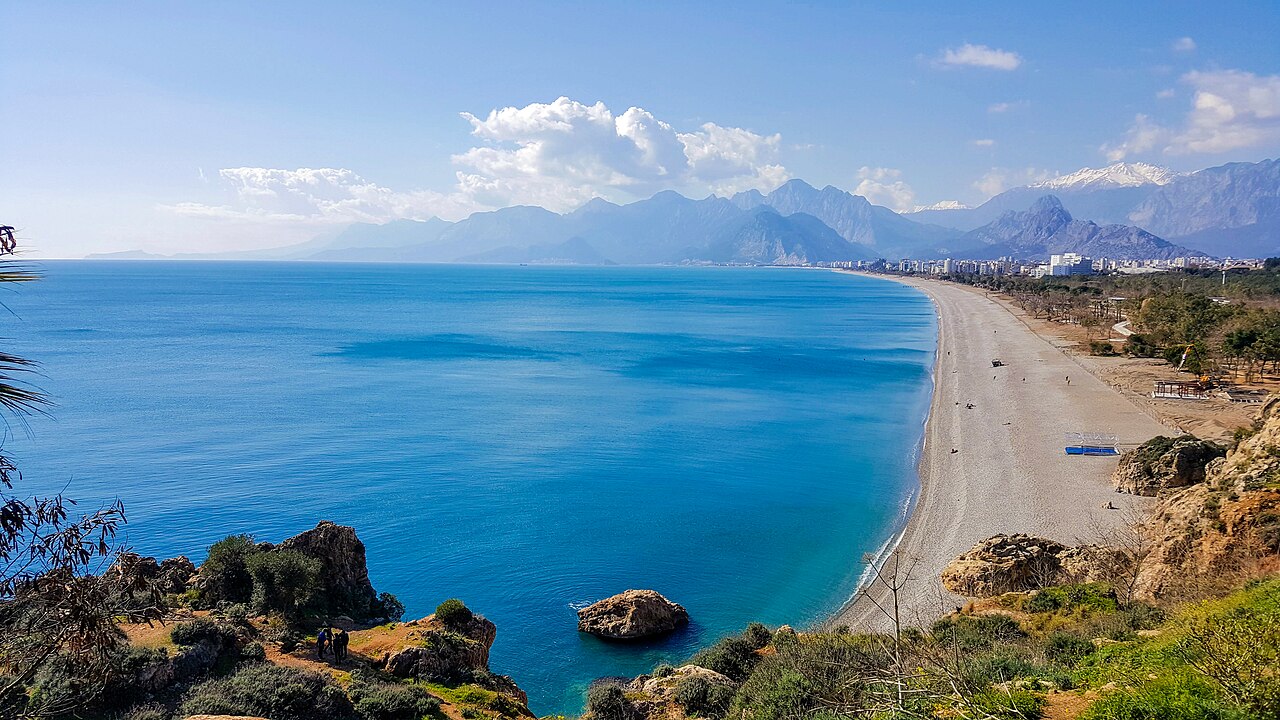
- Antalya — gateway to the Mediterranean coast
- Cappadocia — the fairy-chimney landscape of central Anatolia
- Ephesus — arguably the best-preserved Roman city in the world
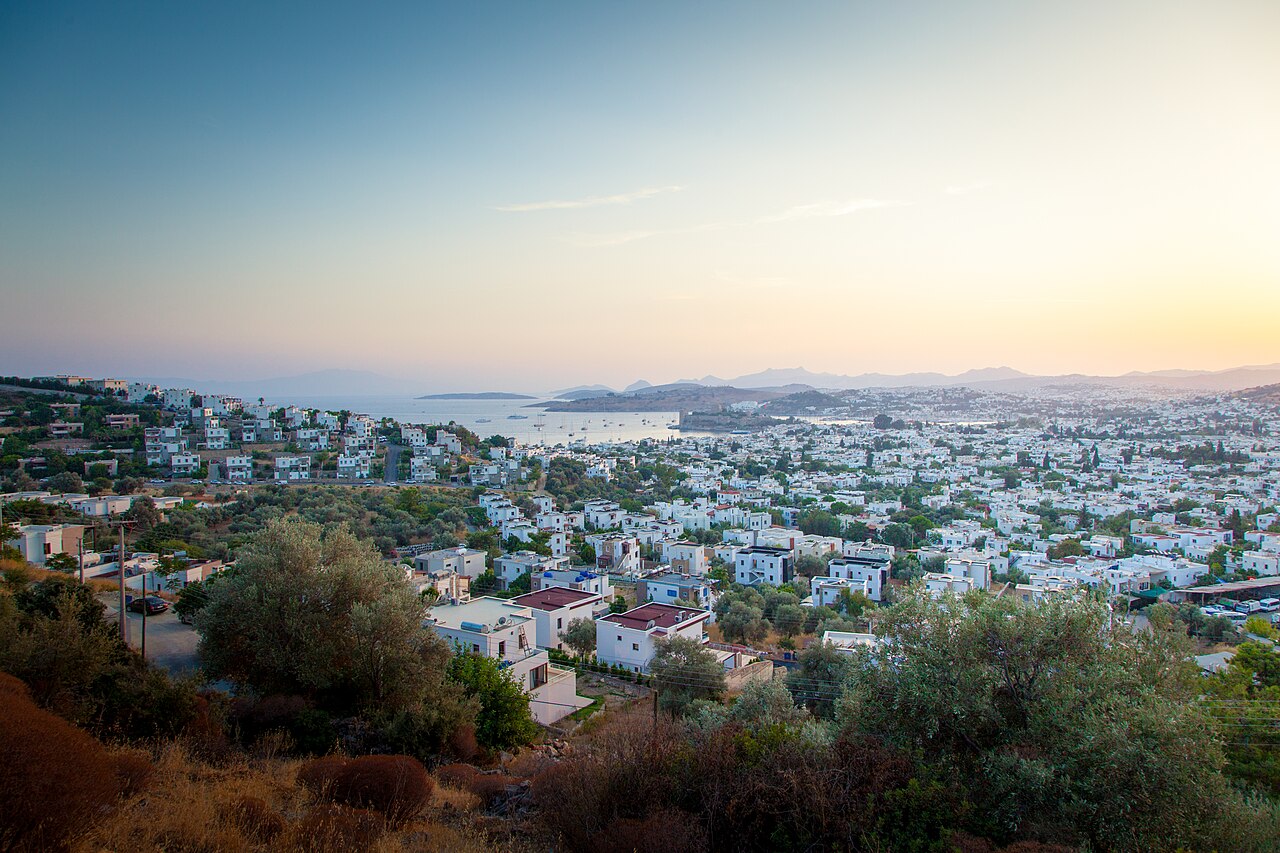
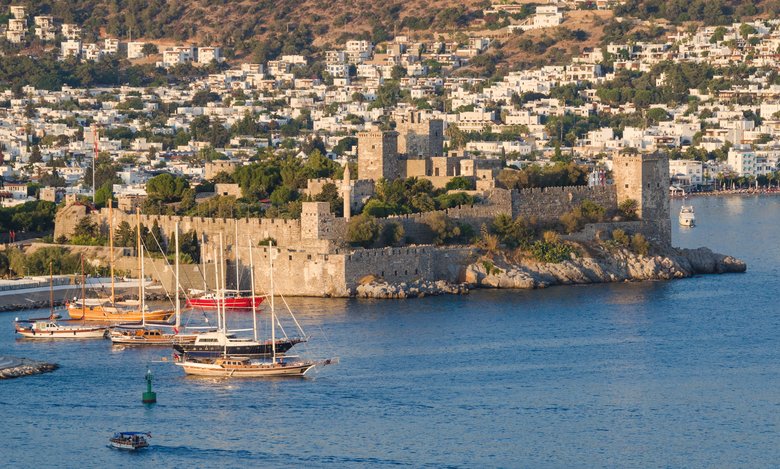
- Bodrum — Aegean resort with history and good nightlife
- Datça — quieter Aegean peninsula town for Knidos, coves, and old villages
- Fethiye and Marmaris — yachting bases on the Turquoise Coast
- Selcuk — the small town closest to Ephesus
- Side — Roman ruins on the Mediterranean coast
- Olympos — backpacker beach with ancient ruins and the Chimaera flame
- Konya — the spiritual home of the Whirling Dervishes
- Diyarbakir — ancient walled city in the Kurdish southeast
- Kars and Ani — ruins of the medieval Armenian capital near the Armenian border
- Van — the vast lake in far eastern Turkey
- Nemrut Dagi — giant stone heads on a remote mountain summit
- Gallipoli — the World War I battlefields
- Pergamon — hilltop Hellenistic city above modern Bergama
- Troy — the legendary city near Canakkale
- Bursa — first Ottoman capital, great bazaar, good food
- Canakkale — ferry town for Gallipoli and Troy
- Edremit — northern Aegean base for Mount Ida, olive country, thermal villages, and gulf beaches
- Kusadasi — cruise-ship port and base for Ephesus
- Alanya — beach resort on the eastern Mediterranean coast
- Pamukale — the white calcium terraces and ancient Hierapolis above them
- Aphrodisias — underrated Roman site inland from the coast
- Dogubeyazit — border town below Mount Ararat
- Edirne — Ottoman city near the Greek and Bulgarian borders
- Uzunköprü — Eastern Thrace town named for its long Ottoman bridge
- Eskisehir — lively university city
- Divriği — remote Anatolian town with a UNESCO-listed medieval mosque and hospital
- Burdur — Lakes District market town with Sagalassos finds and nearby karst scenery
- Trabzon region — Black Sea coast and the Kackar mountains
- Tokat — Black Sea hinterland city of hilltop castle ruins, old mansions, mosques, and caravanserai