Ras Al Khaimah is the northernmost of the seven United Arab Emirates, and the one least defined by skyscrapers and shopping malls. Where Dubai and Abu Dhabi compete for superlatives, RAK — as residents call it — trades on rugged mountains, mangrove-lined coasts, and a history that predates Islam.
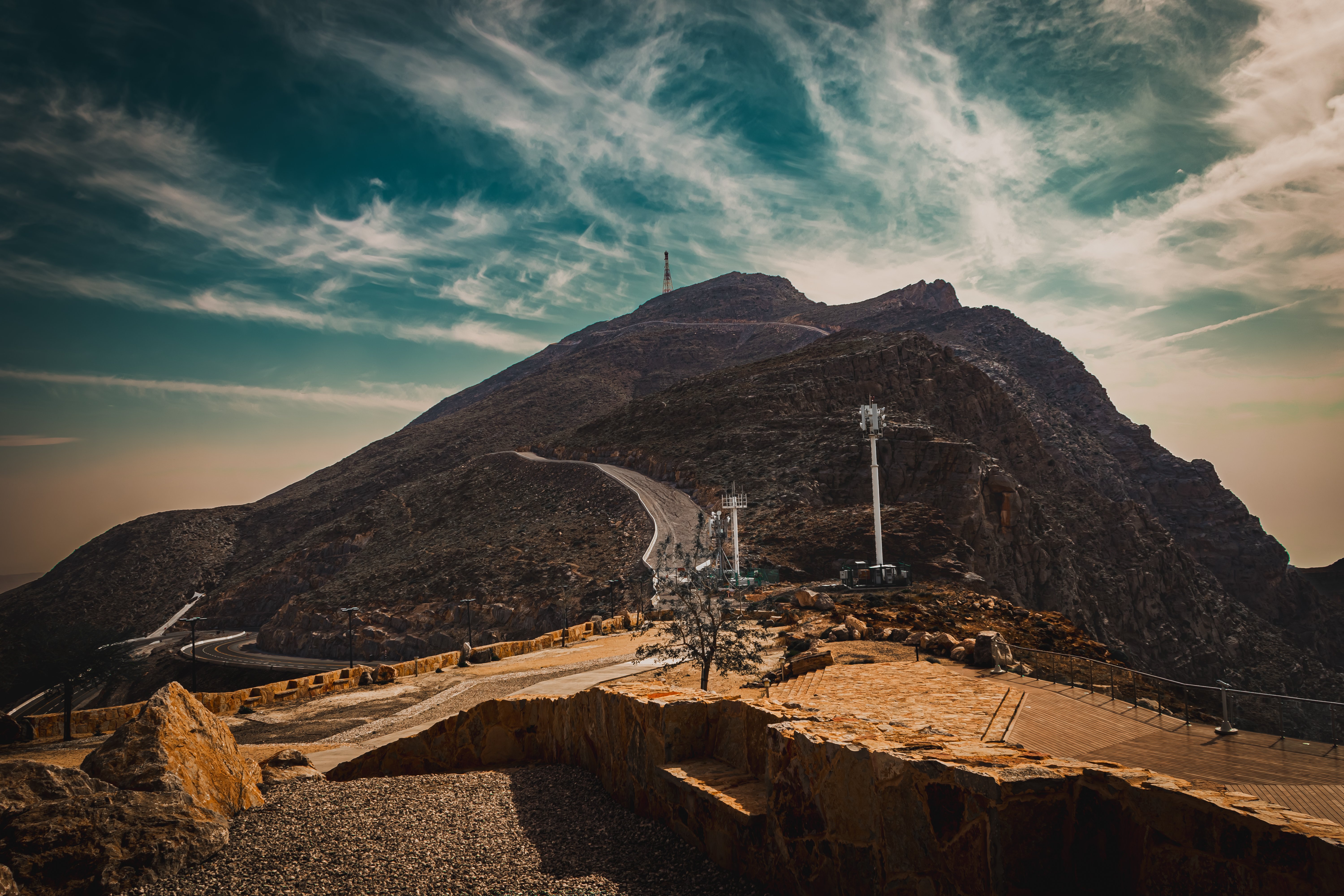
The Hajar Mountains dominate the east of the emirate, rising to Jebel Jais at 1,934 metres — the highest peak in the UAE. The mountain road alone is worth the drive, with switchbacks offering views across rust-coloured wadis to the Gulf of Oman. Down on the coast, the old town sits on a creek dividing the city in two, with a handful of watchtowers and the National Museum housed in a former fort. The desert interior, particularly around the red dunes of Awafi, draws off-roaders and camping enthusiasts.
Ras Al Khaimah has been inhabited for at least 7,000 years. The ancient trading port of Julfar, just north of the modern city, was once one of the wealthiest in the Gulf. The legendary navigator Ahmad ibn Majid, who is said to have guided Vasco da Gama across the Indian Ocean, came from here. Today the archaeological sites are modest, but they give RAK a sense of depth that the newer emirates lack.
Tourism is growing but still low-key. You will find resort hotels along Al Marjan Island and Al Hamra, but the emirate has not yet been overwhelmed by mass tourism. It makes a good base for exploring the mountains or a contrast to the intensity of Dubai, which is about 45 minutes south by car.