Travel warning: Yemen has been in active civil war since 2014. Virtually every government in the world advises against all travel to the country. The conflict between Houthi forces (controlling much of the north, including Sana'a) and the internationally recognized government (based in Aden) has killed hundreds of thousands of people and created one of the world's worst humanitarian crises. Landmines, air strikes, armed checkpoints, and kidnapping remain serious risks. Do not travel to Yemen without an exceptional reason and professional security support.
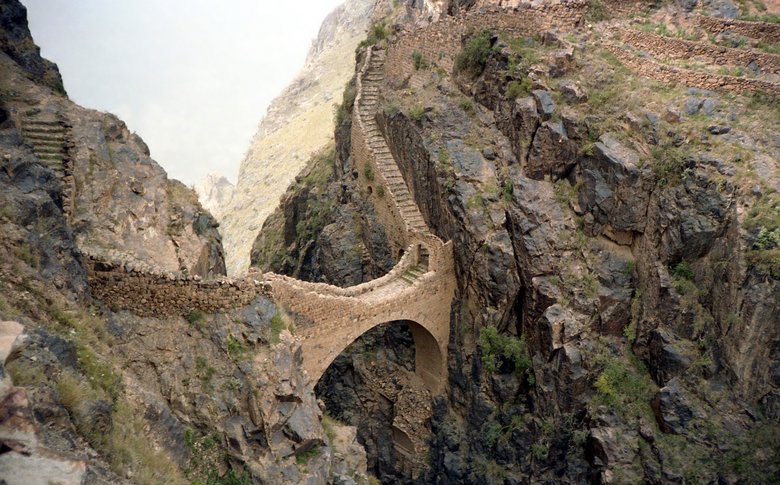
This page describes Yemen as it was and as it may one day be again. The country has extraordinary things to show the world — architecture that has no equal in the Arabian Peninsula, landscapes that range from misty mountains to stark desert canyons, and an island ecosystem unlike anywhere else on earth. None of that has disappeared. It is simply, for now, unreachable.
Yemen sits at the southwestern tip of the Arabian Peninsula, bordered by Saudi Arabia to the north and Oman to the east. The Red Sea lies to the west, the Arabian Sea and Gulf of Aden to the south. The terrain is dramatically varied: the Haraz mountains rise above 3,600 metres, the Rub' al Khali desert extends from the north, and the coastal Tihama plain runs hot and flat along the Red Sea.
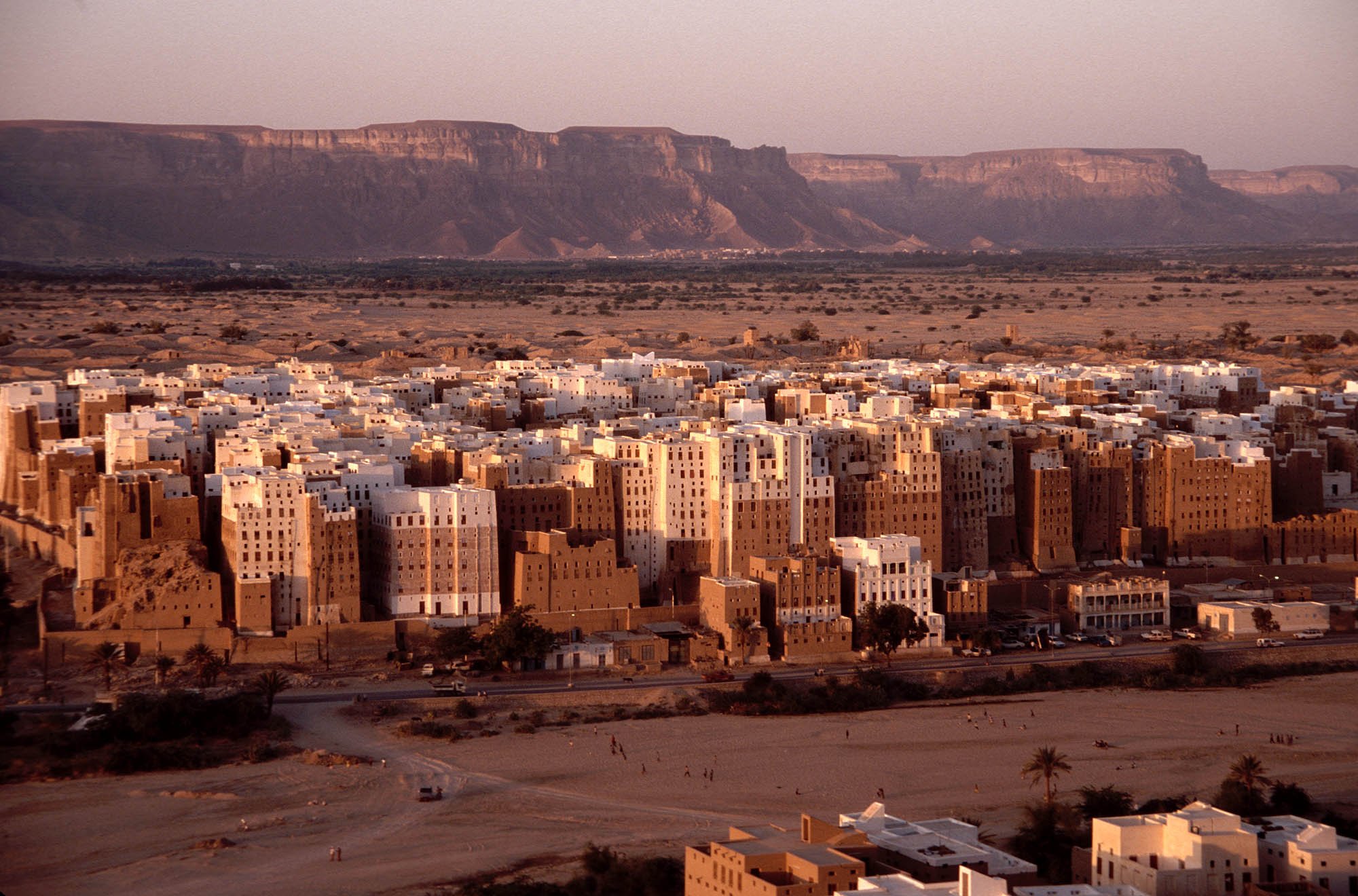
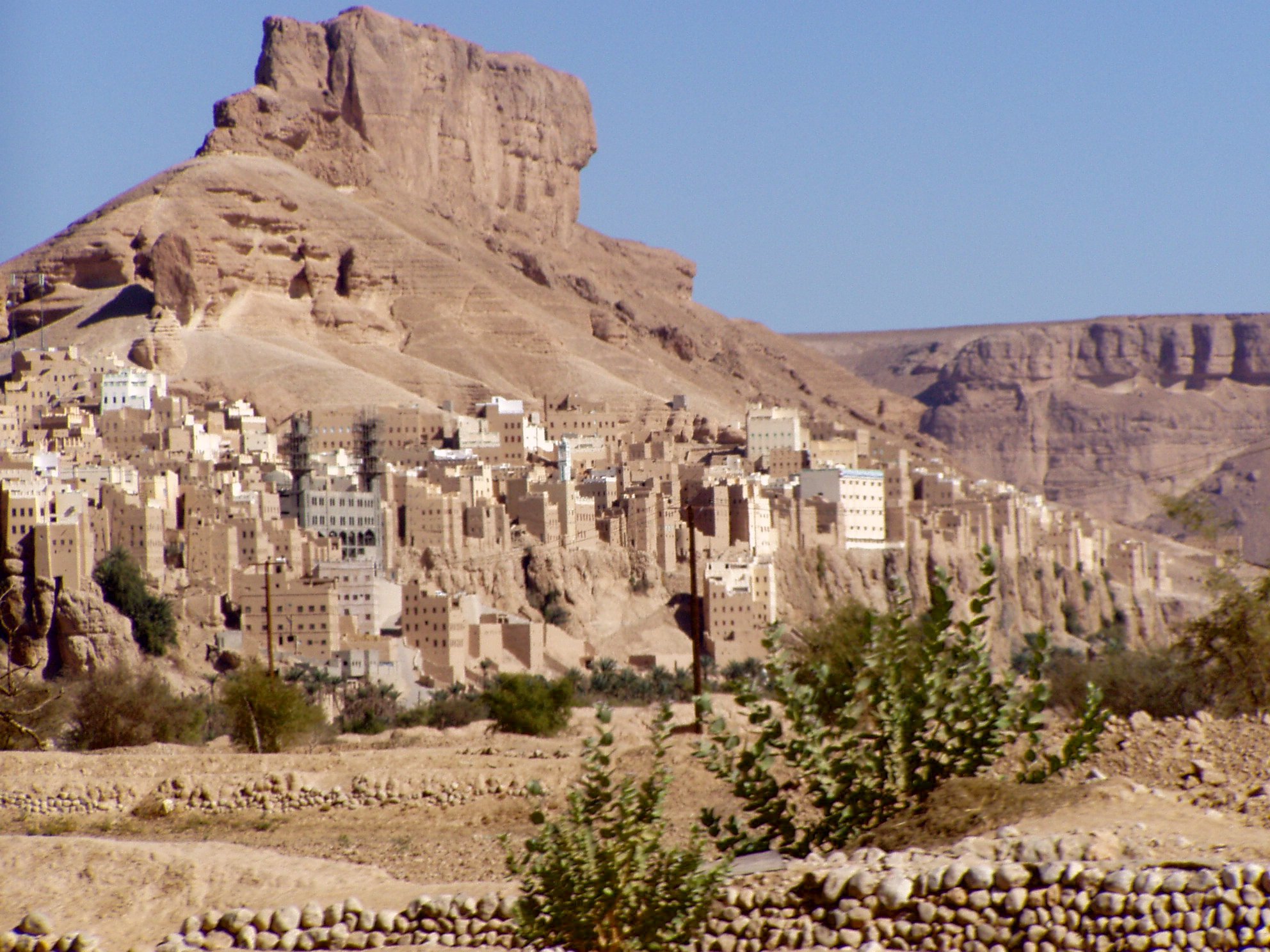
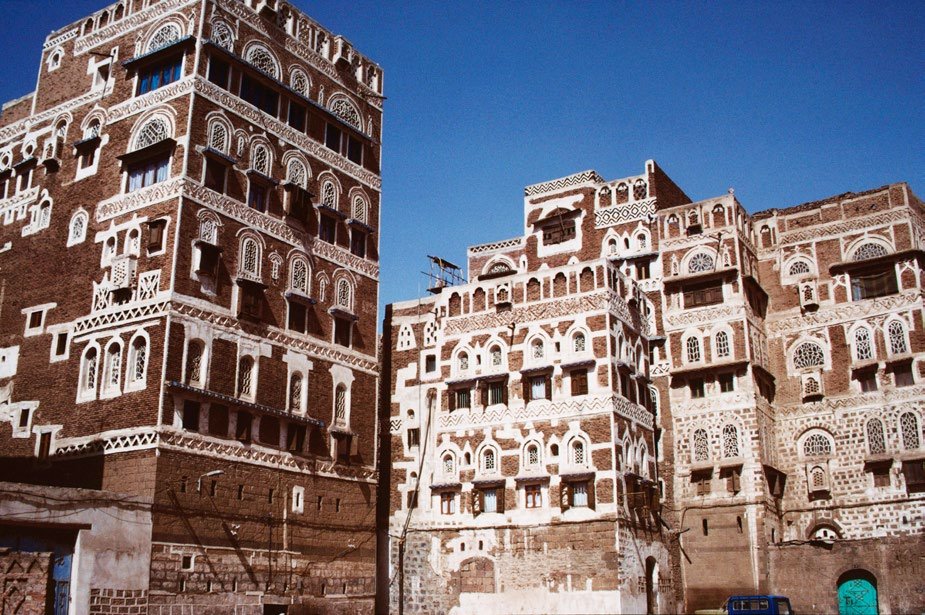
Yemen was known in antiquity as Arabia Felix — "Happy Arabia" — a name earned by the wealth generated from its position on the ancient incense trade routes. The Kingdom of Saba, which flourished here from around 1000 BCE, built the Great Marib Dam and left behind temples and inscriptions that rival anything in the ancient Mediterranean world. Islam arrived in the 7th century CE and Yemen produced some of the most distinctive Islamic architecture in existence: the tower-house cities of the Hadramawt, the elaborate mud-brick facades of the old city of Sana'a, the hilltop villages of the Haraz mountains.
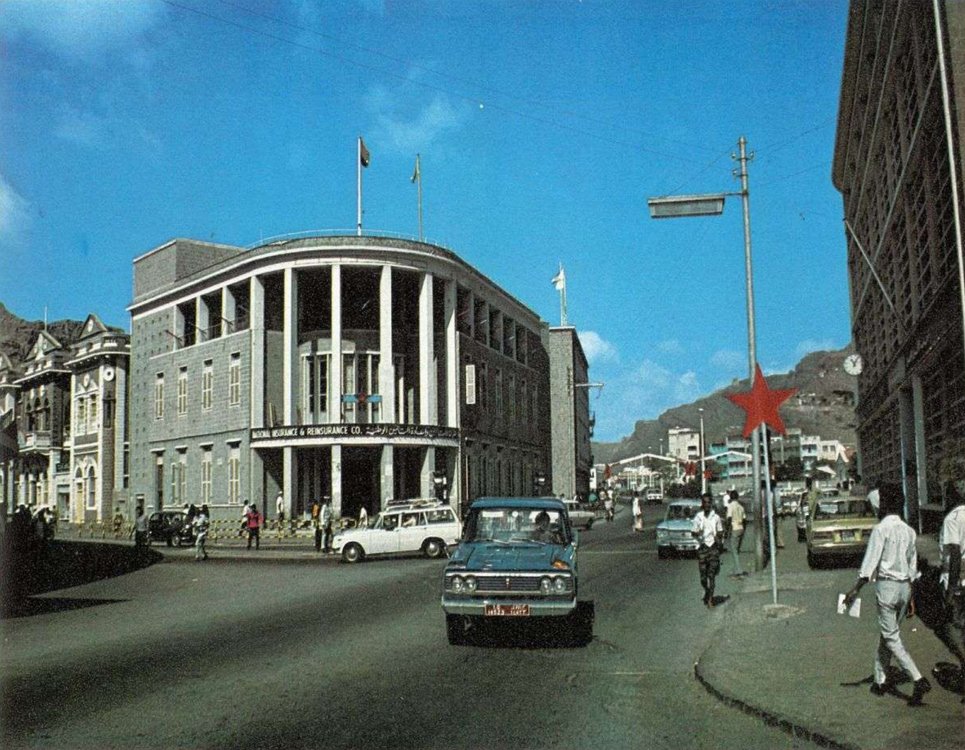
The country reunified in 1990, after decades of division between a socialist south (People's Democratic Republic of Yemen, backed by the USSR) and a conservative north (Yemen Arab Republic). The union was troubled from the start, and the current conflict has effectively re-divided the country along broadly similar lines, though with far more complexity.