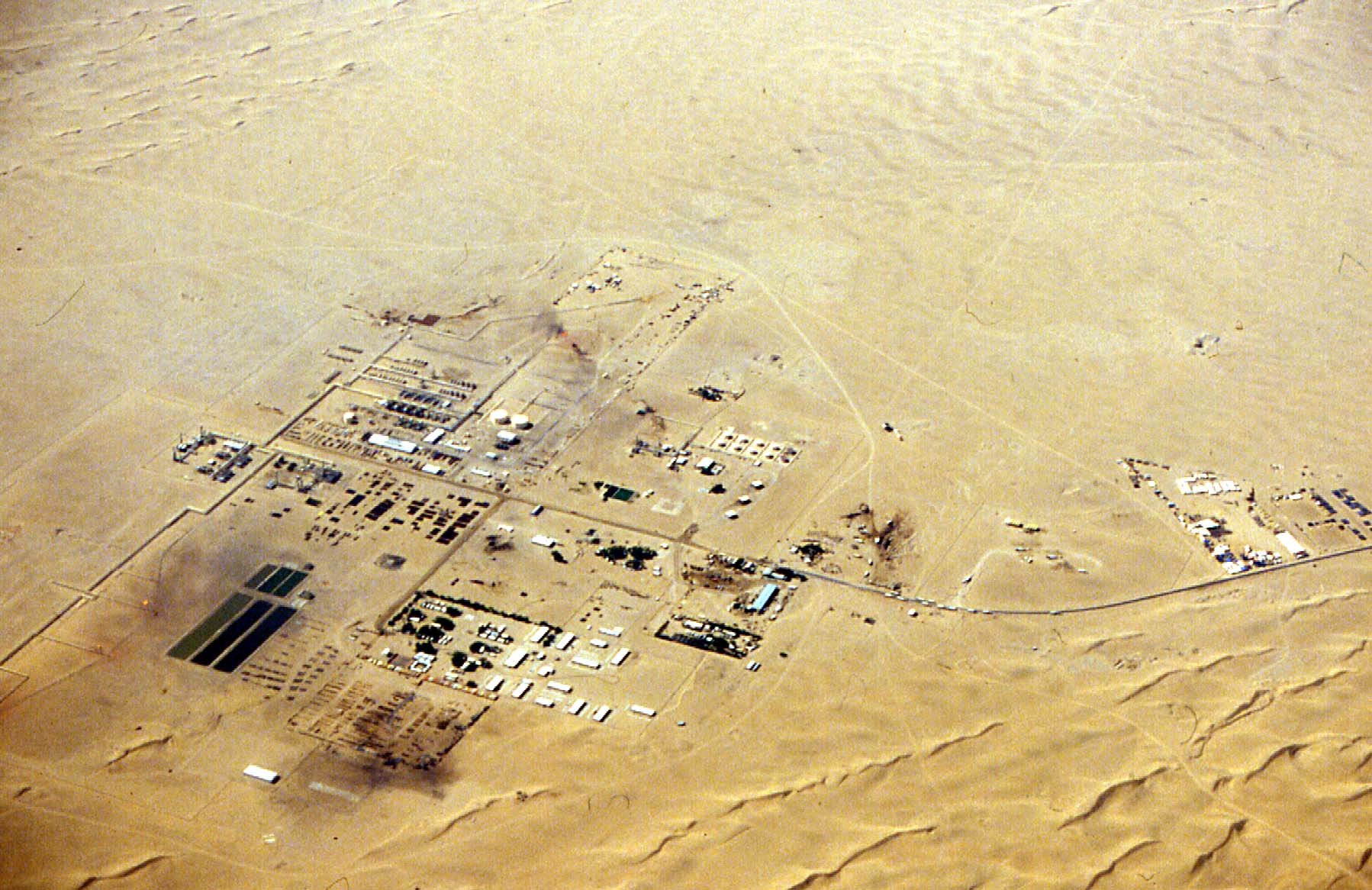
Marib is the most important archaeological site in Yemen and one of the great ancient cities of the Arabian Peninsula. Capital of the Sabaean kingdom from roughly the 8th century BCE, it sat at the crossroads of the incense trade routes that linked the Arabian Sea coast to the Mediterranean world. The Great Dam of Marib, an engineering marvel that irrigated the surrounding desert for over a millennium, was famous enough to be mentioned in the Quran.
The old city lies on the Sabaean plains at the edge of the eastern Yemeni desert, flanked by high mountains, valleys, and open desert. The landscape around Marib is stark and beautiful — the Balaq mountains frame ancient ruins, and Wadi Dhanah (the Valley of Sheba) cuts through the terrain where the Sabaean dynasty flourished. The Barran Temple (Throne of Bilqis) and the Awam Temple are the two great Sabaean sanctuaries, both within a few kilometres of each other south-east of the modern town.
Marib has been severely affected by Yemen's civil war, which began in 2014. The city and its surroundings have seen heavy fighting, air strikes, and displacement. Several archaeological sites have been damaged. As of the mid-2020s, travel to Marib is extremely dangerous and effectively impossible for tourists. The information here is preserved for its historical value and for the day when Yemen is at peace again.