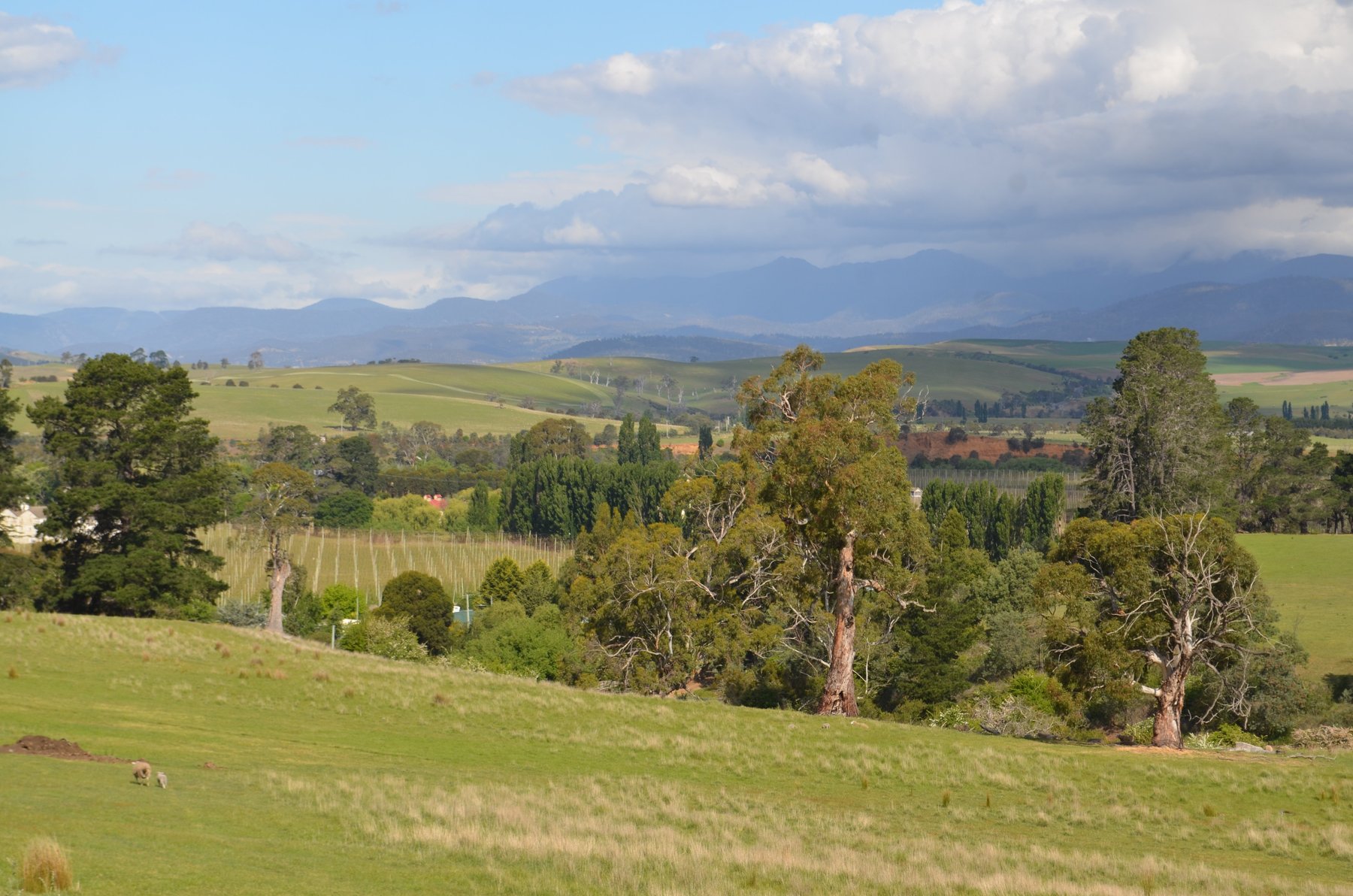
Southeast Tasmania radiates outward from Hobart, the state capital, into some of the most varied landscape in Australia. Within a couple of hours' drive you can reach temperate rainforest, convict ruins, sheltered waterways, and wild ocean coastline. Everything here works as a day trip from the city, though several spots reward a longer stay.
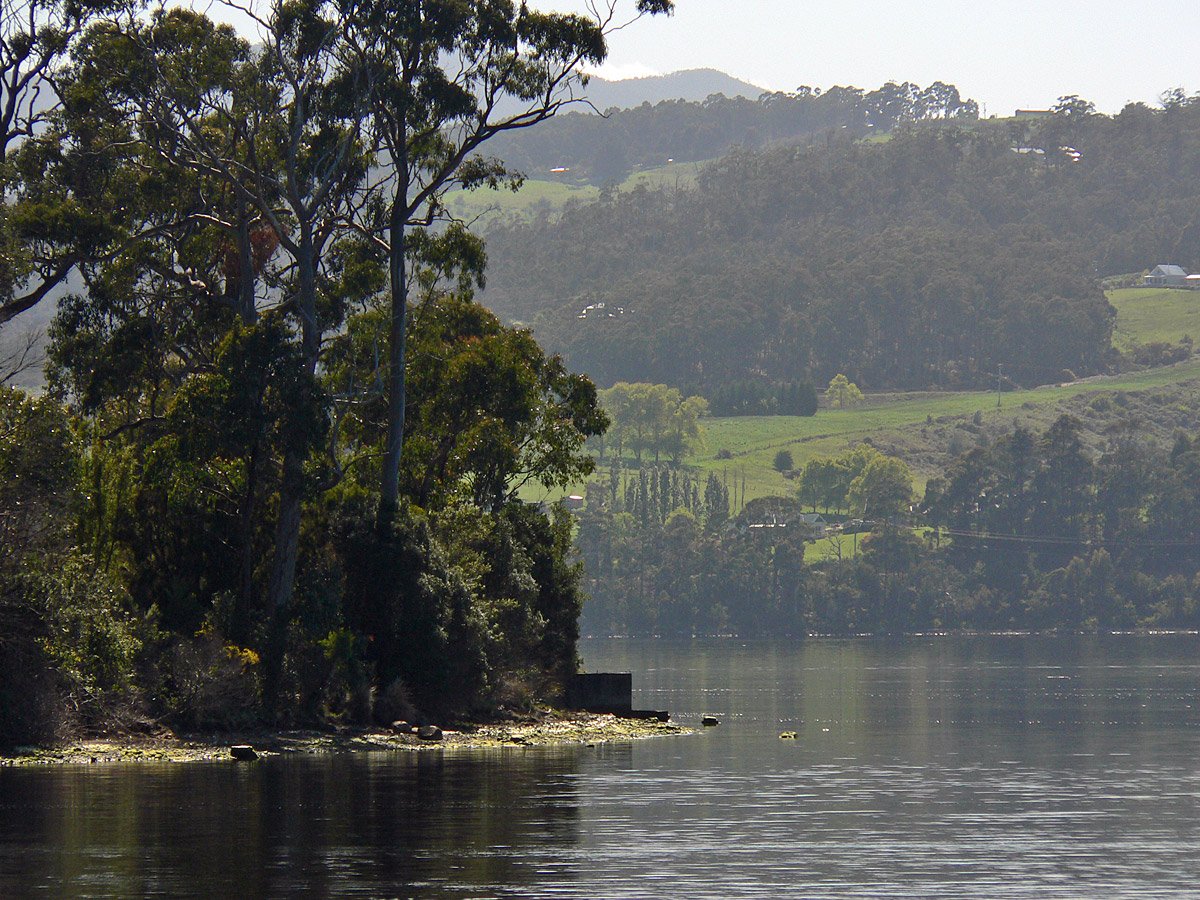
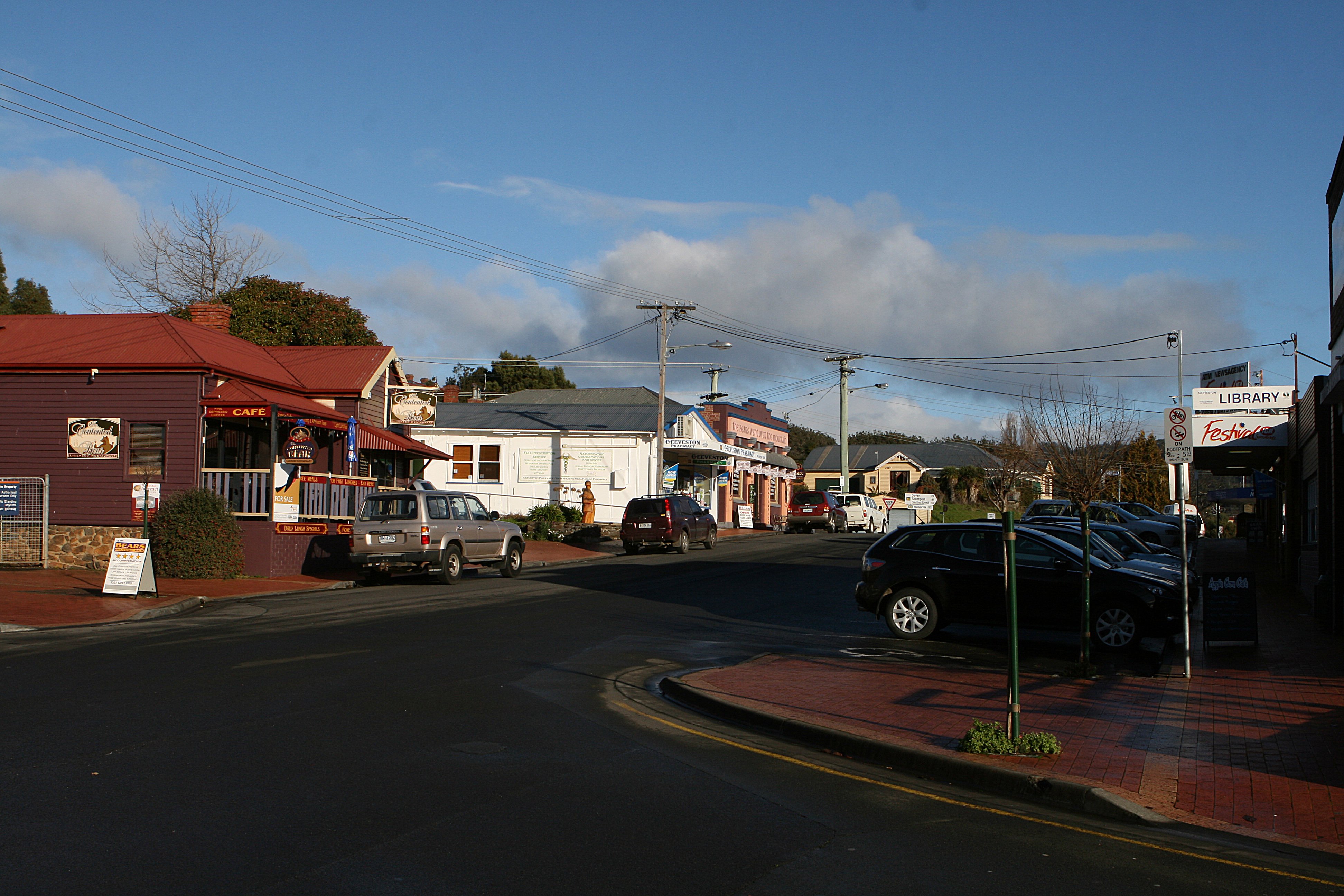
The Derwent River flows southeast from the Central Highlands, widening into the estuary on which Hobart sits. South of the city, the Huon River runs eastward through apple-growing country to Huonville and beyond. Between the two, a string of small towns lines the D'Entrecasteaux Channel: Cygnet, Kettering, Margate, Snug. Offshore lies Bruny Island, long and wild, split by a narrow isthmus.
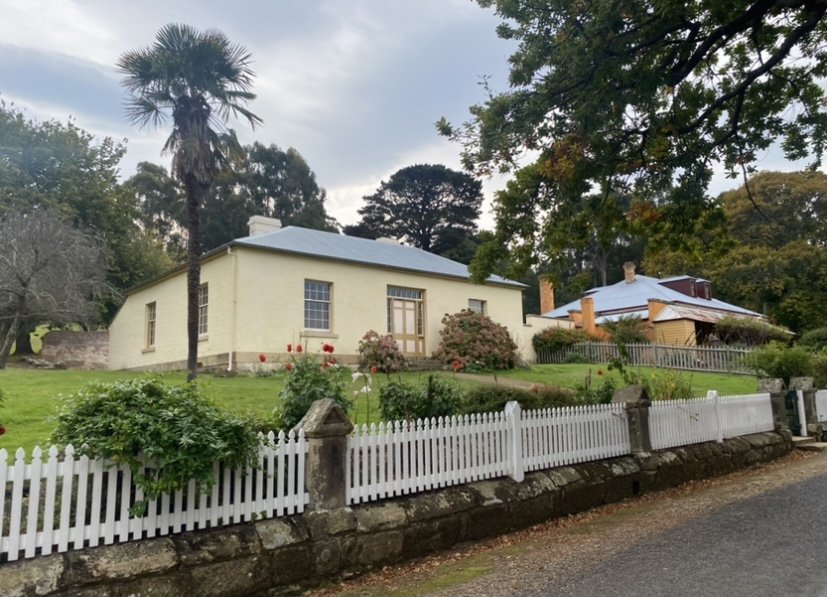
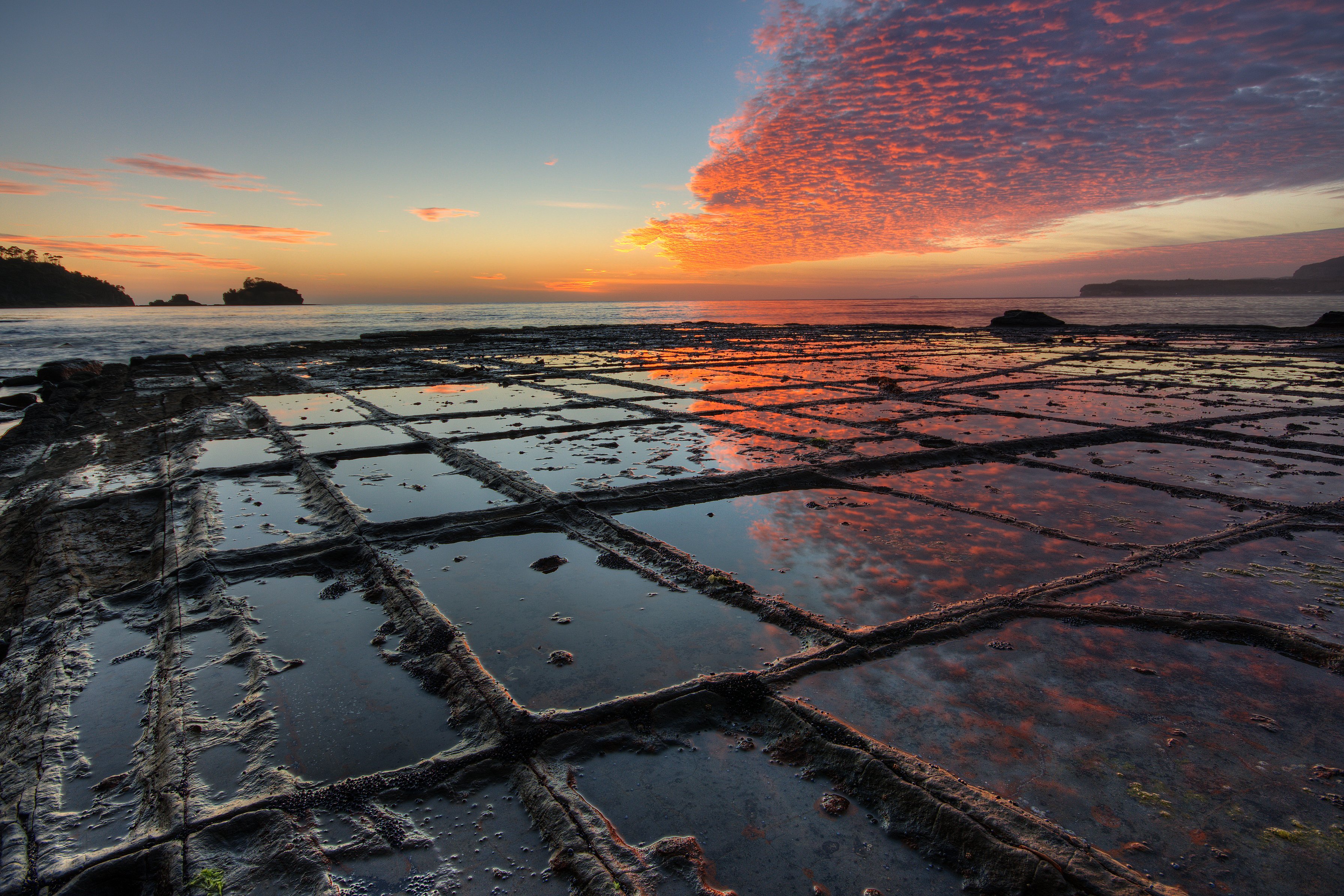
East of Hobart, the Tasman Peninsula juts into the Tasman Sea. Connected to the mainland by a thin strip of land, it was a natural prison — Port Arthur, Tasmania's most notorious convict settlement, sits at its tip. Further north, the towns of Orford and Triabunna mark the start of the East Coast.
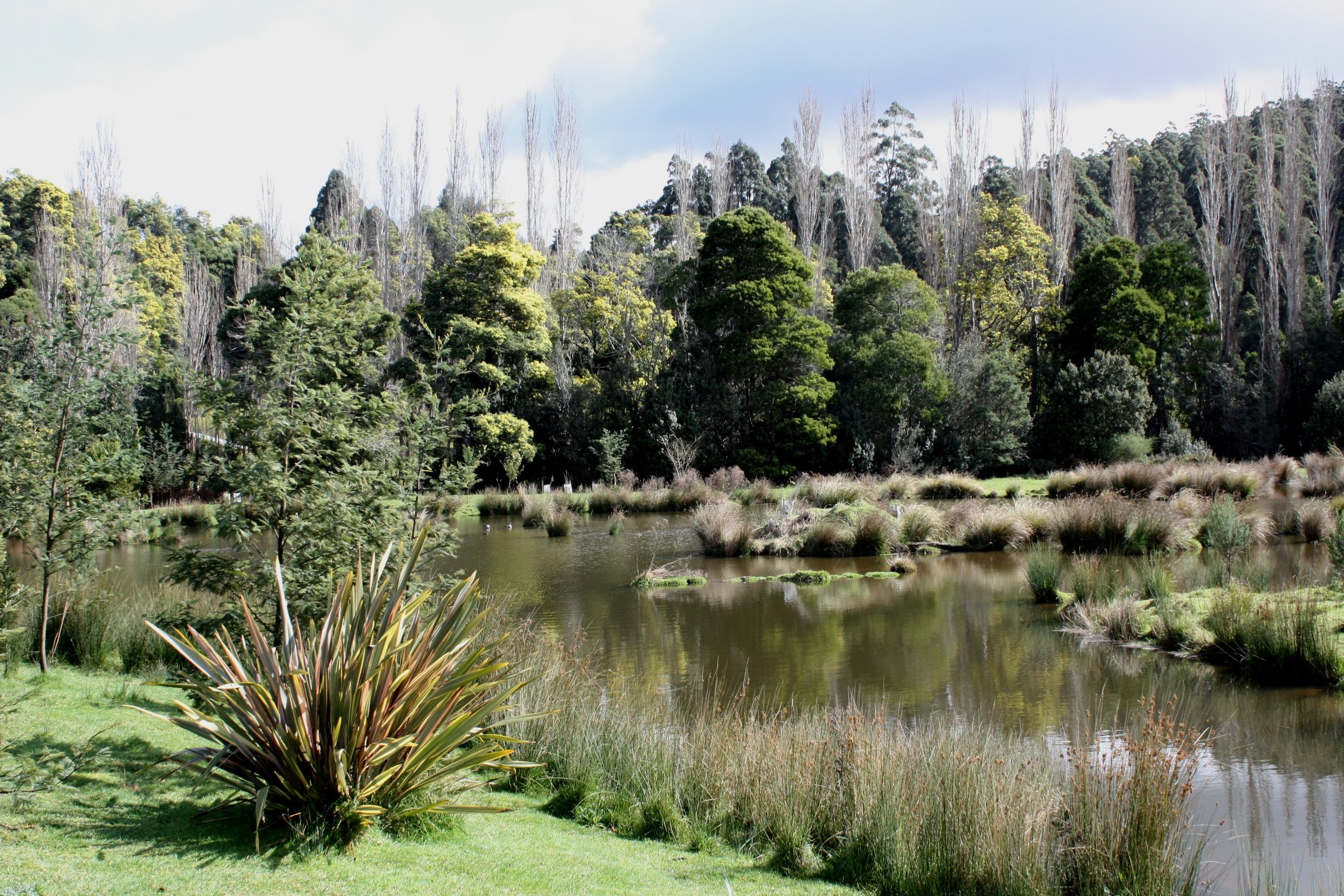
The region developed around forestry and agriculture. The Huon Valley was once Australia's apple capital; today aquaculture, hops, and grazing share the economy. For visitors, the draw is nature: Mt Field National Park, Hartz Mountains, and the trailheads for serious wilderness hikes into the World Heritage southwest — Federation Peak, Precipitous Bluff, the South Coast Track.
A short visit should include at least one of the Tasman Peninsula, Mt Field, or the Huon Valley. With more time, spend a weekend on Bruny Island, push south to Geeveston or Lune River, or add a few days for hiking in Mt Field or Hartz Mountains.