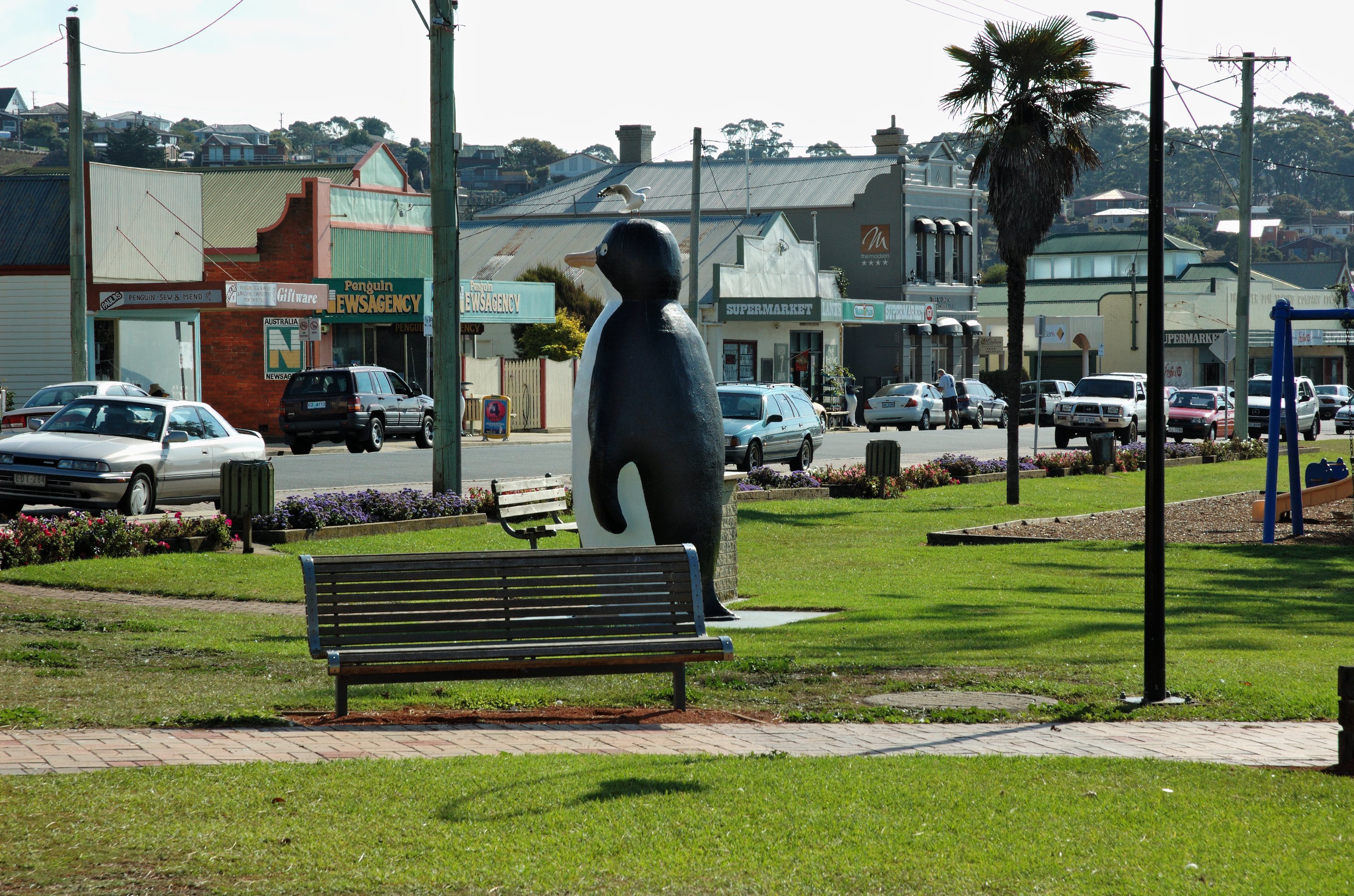
Tasmania is Australia's island state — separated from the mainland by the Bass Strait — and the most easily overlooked by international visitors, which is their loss. It's a compact, wild, and distinctive place that offers a different Australia from the beach-and-reef circuit most people follow.
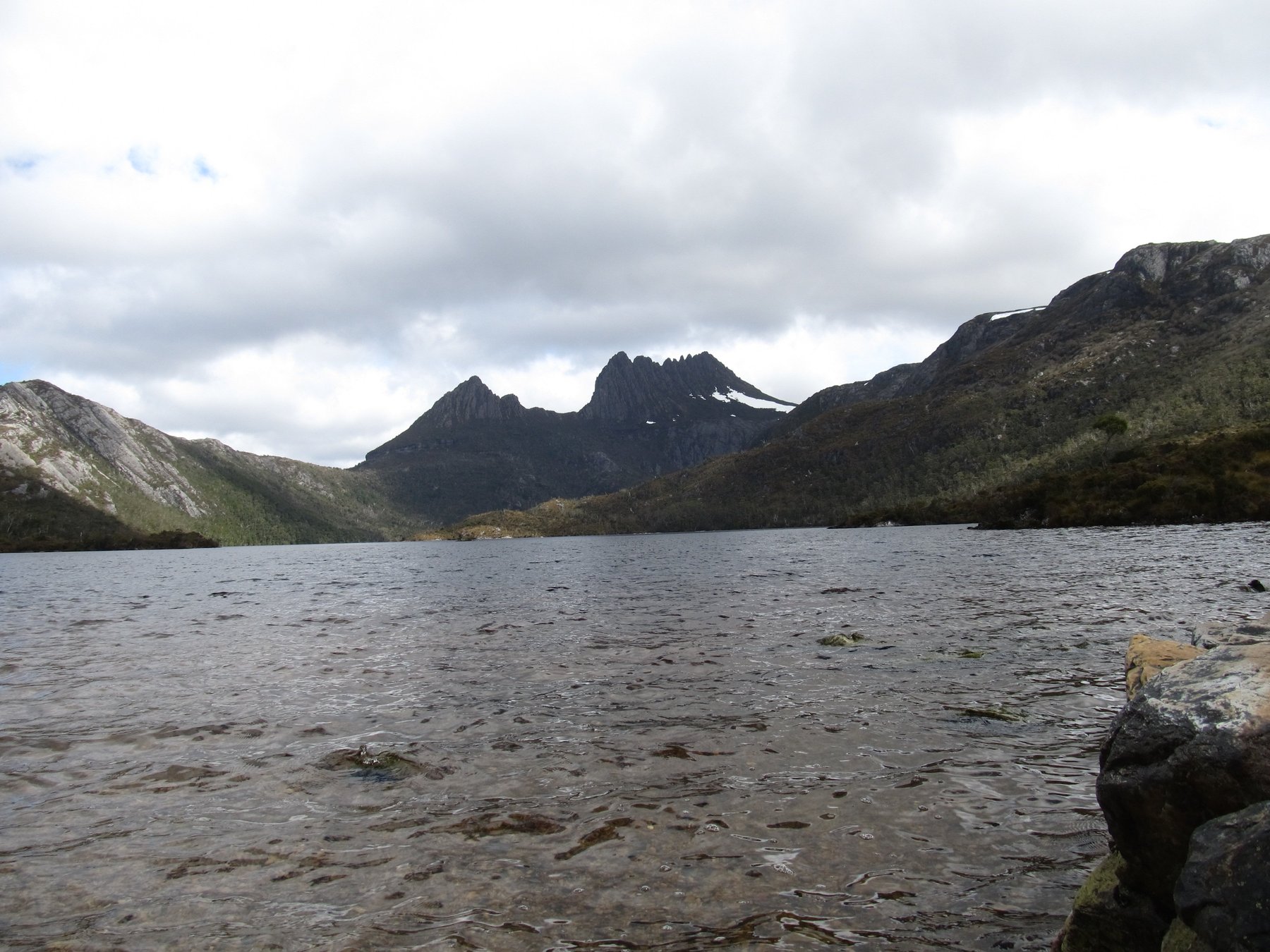
The island's interior is genuinely remote. About 40% of it is protected wilderness, much of it World Heritage listed: ancient rainforest, alpine moorland, and the dolerite peaks and glacier-carved lakes of the central highlands. The Overland Track, a six-day walk from Cradle Mountain to Lake St Clair, is one of Australia's great multi-day hikes. The walking season runs November to April; the track is busy in summer.
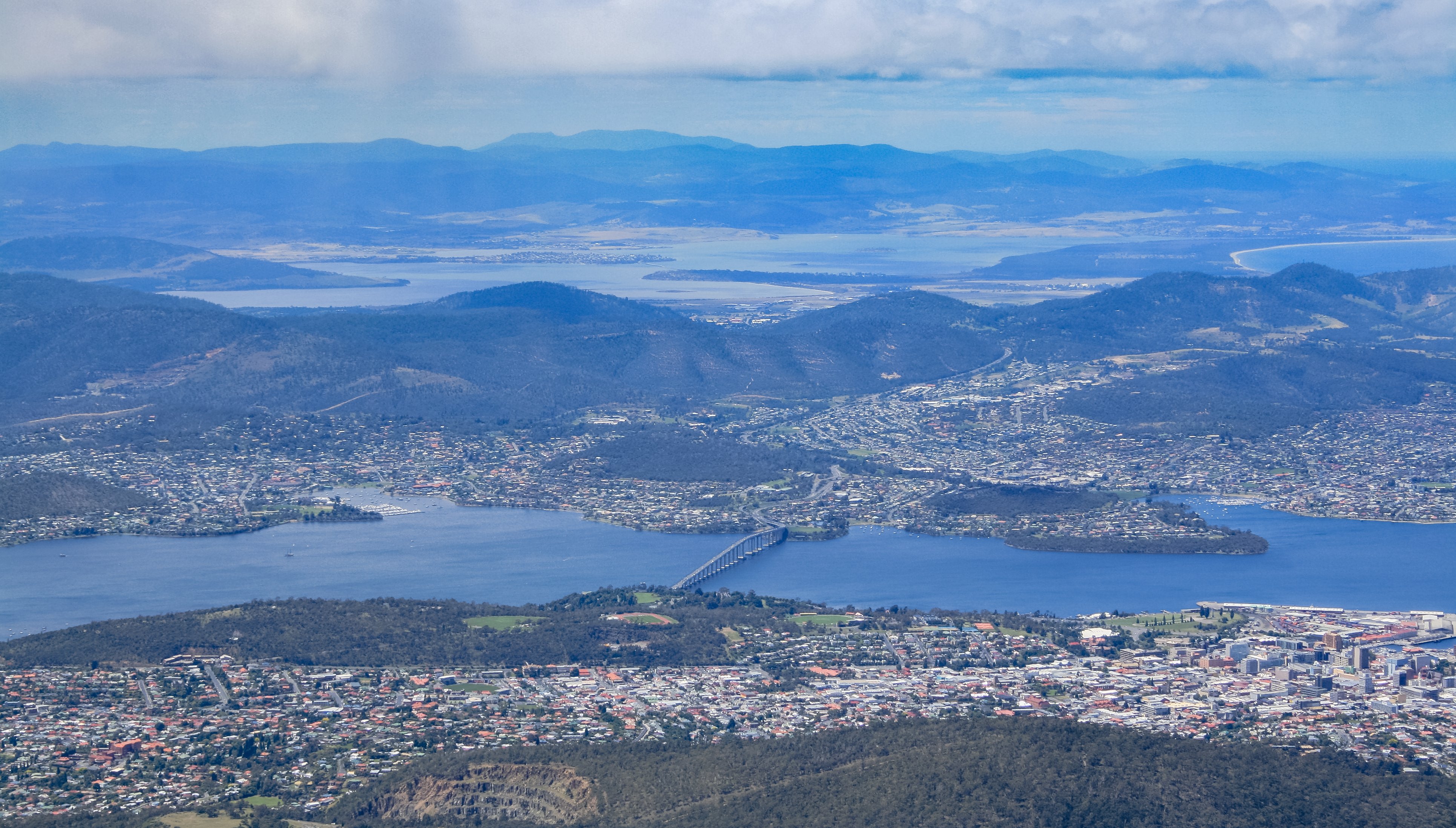
Hobart, the capital, is small but has a lot going for it. Salamanca Place — a row of Georgian sandstone warehouses from the 1830s — is now a restaurant and gallery strip that hosts a farmers' market every Saturday morning. MONA (Museum of Old and New Art), built underground into sandstone cliffs about 20 minutes upriver, is the most provocative private museum in the country: challenging, frequently explicit, and genuinely unlike anything else in Australia. Worth the trip in itself.
The convict heritage is central to Tasmanian history in a way it isn't elsewhere. Port Arthur, on the Tasman Peninsula, is the best-preserved convict site in Australia — the ruins of the penitentiary, the settlement, and the church have a melancholy grandeur. It's about 90 minutes from Hobart.
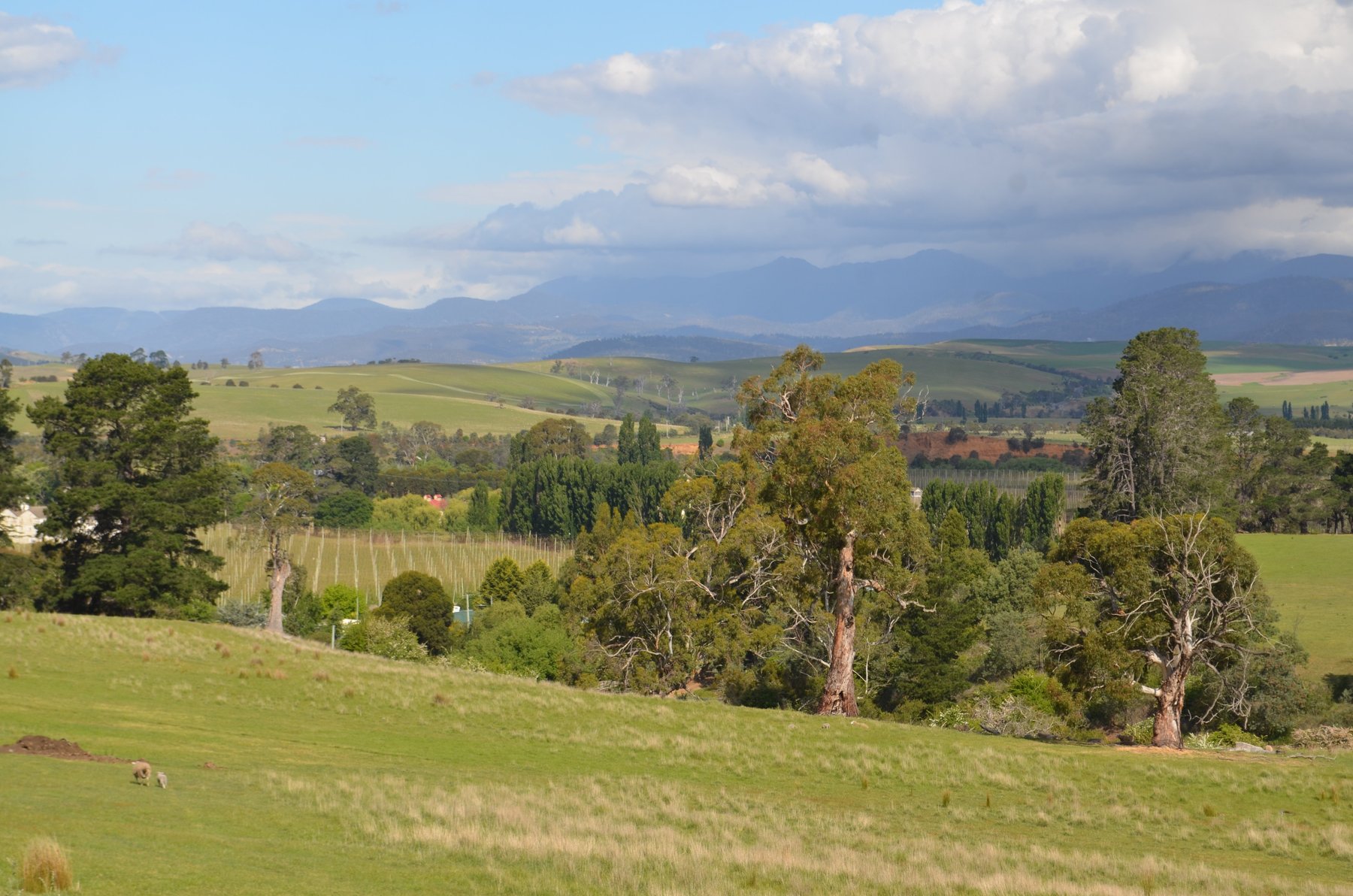
The food is excellent and underrated. Tasmanian oysters, salmon, scallops, and cheese have national reputations. The island also produces some of Australia's best whisky — Lark, Sullivan's Cove, and Hellyers Road have all won international awards. In the Huon and Derwent valleys, stone fruit, berries, and apples grow in country that looks more like rural England than Australia.
Winters are cold and wet; summers are warm with long evenings. The best time to visit is November to April.