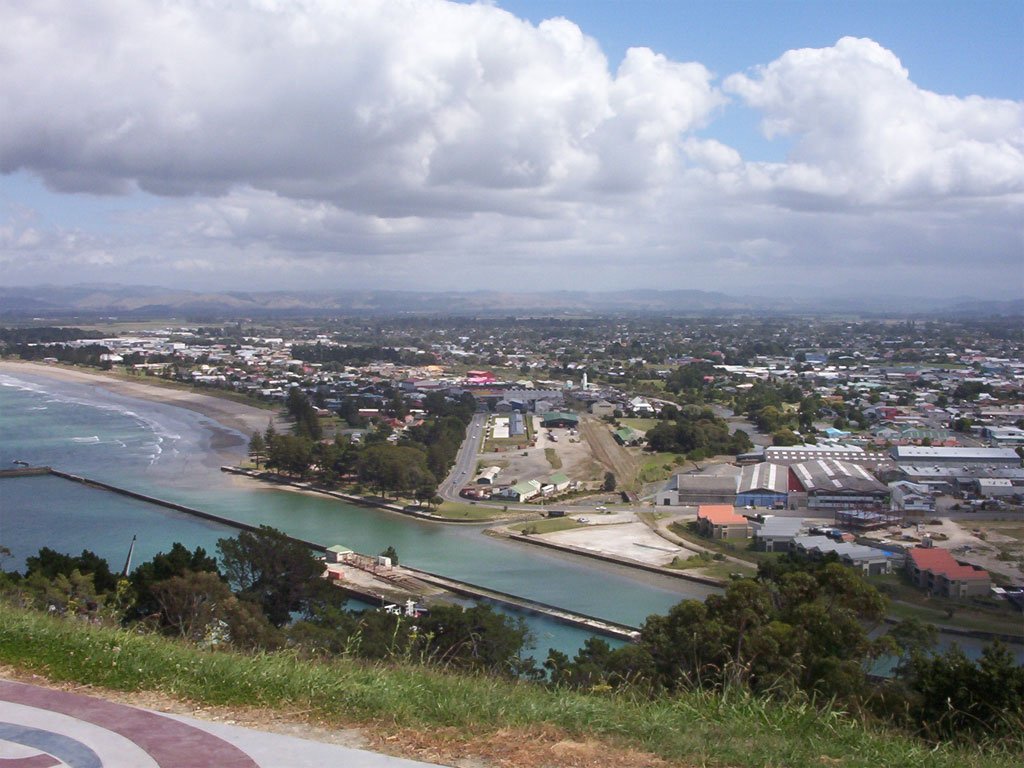
Gisborne is the first city in the world to see the sunrise each day, sitting on the sunny East Coast of the North Island where Captain Cook made his first New Zealand landfall in 1769. The Maori name for the district, Tairawhiti, means "the coast upon which the sun shines across the water" — and the climate lives up to it, with over 2,200 hours of sunshine a year.
The city is small and relaxed, with good surf beaches, a growing wine region (Gisborne produces more Chardonnay than anywhere else in New Zealand), and a strong Maori cultural presence. Kaiti Hill was where Cook first stepped ashore, and the area around the city has significant historical sites from both Maori and early European settlement. The Tairāwhiti Museum covers this complicated history well.
The surrounding countryside is a mix of rich alluvial plains, hill-country farms, and vast planted forests. Eastwoodhill Arboretum, in the hills west of town, holds the most comprehensive collection of Northern Hemisphere trees south of the equator. The Rere Rockslide and Wainui Beach are both worth the short drive from the city. It feels remote — Gisborne is a long drive from anywhere — but that isolation is part of its appeal.