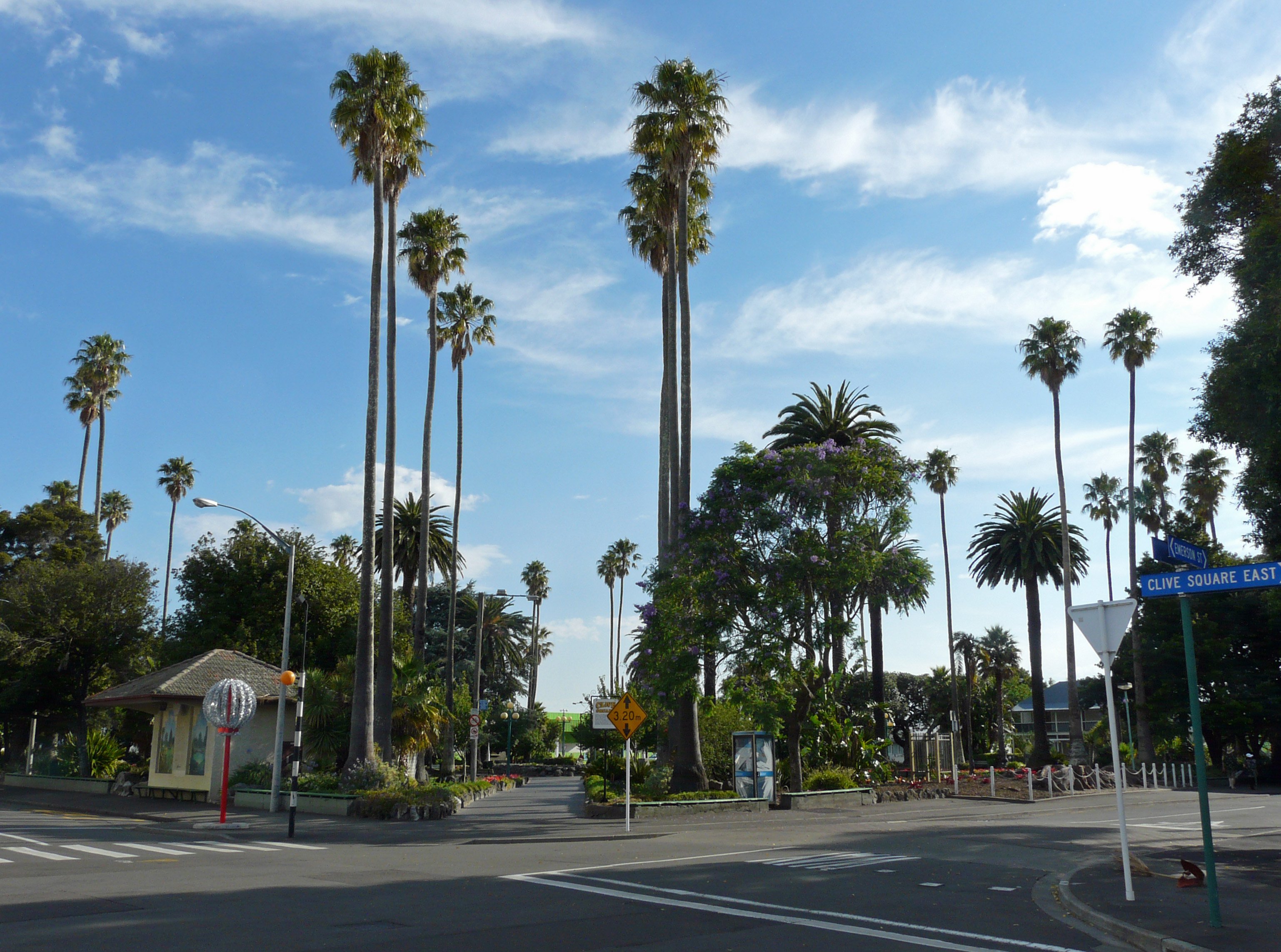
Napier is the Art Deco capital of the world, and it earned that title the hard way. On 3 February 1931, a magnitude 7.8 earthquake flattened the city and killed 256 people. What rose from the rubble was an entire town centre rebuilt in the architectural style of the moment: clean lines, geometric patterns, sunburst motifs, and pastel facades. No other city has such a concentrated, cohesive collection of 1930s architecture, and the Art Deco walk through the central streets feels like stepping into a beautifully preserved time capsule.
But Napier is more than its buildings. The city sits on Hawke's Bay's coast, backed by orchards, vineyards, and the dramatic bluff of Ahuriri. The climate is genuinely excellent -- more sunshine hours than almost anywhere else in New Zealand -- and the whole region has leaned into food and wine with real conviction. The wineries here produce some of the country's best reds, particularly Syrah and Bordeaux-style blends, and the restaurants know what to do with them.
Marine Parade is Napier's seafront strip, a long promenade lined with Norfolk pines that runs along a pebbly beach. It is not a swimming beach -- the surf is rough and the stones are hard on bare feet -- but the views south towards Cape Kidnappers are spectacular. The cape itself is home to the world's largest mainland gannet colony, and visiting it (by tractor, on foot, or by kayak) is one of the best wildlife experiences on the North Island.
Up on Napier Hill, the old residential quarter, you get panoramic views over the port, the city, and out to Westshore Beach. The hill itself is worth wandering for the older houses and the sense of how Napier looked before the earthquake. Below it, the Ahuriri neighbourhood has transformed its old woolsheds and warehouses into restaurants, bars, and boutiques -- it is the liveliest part of town after dark.