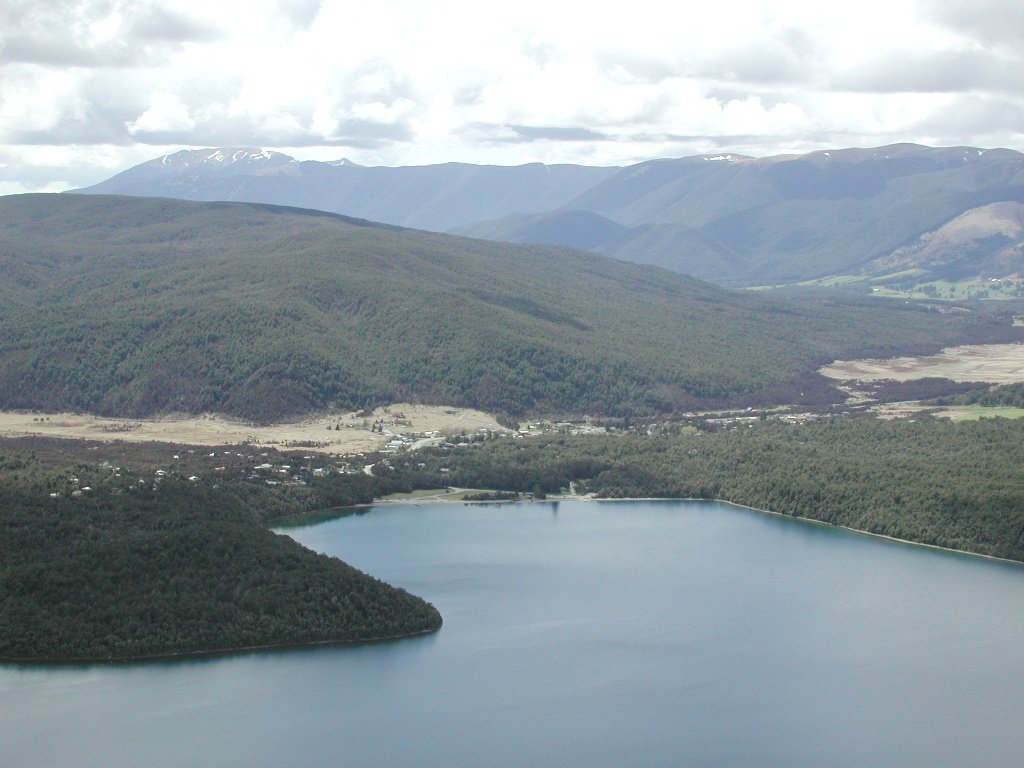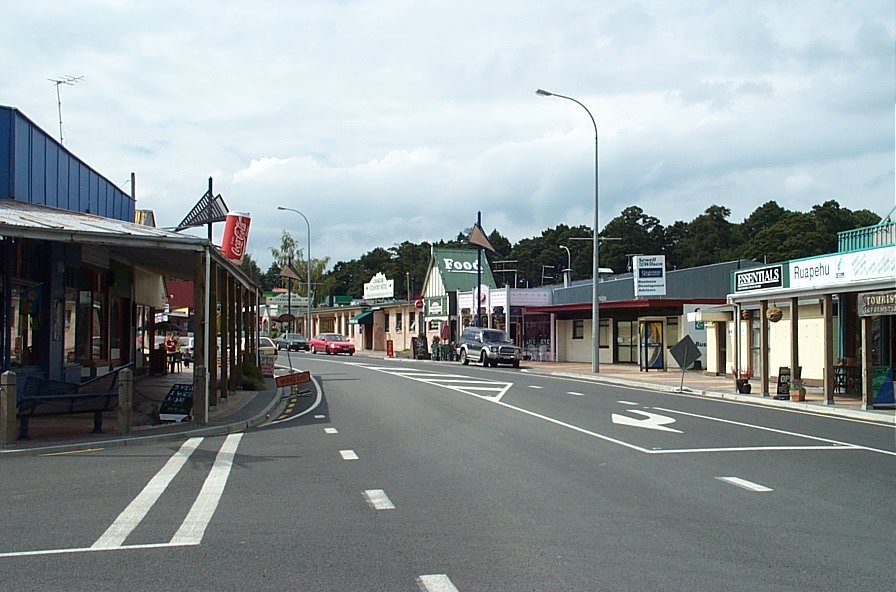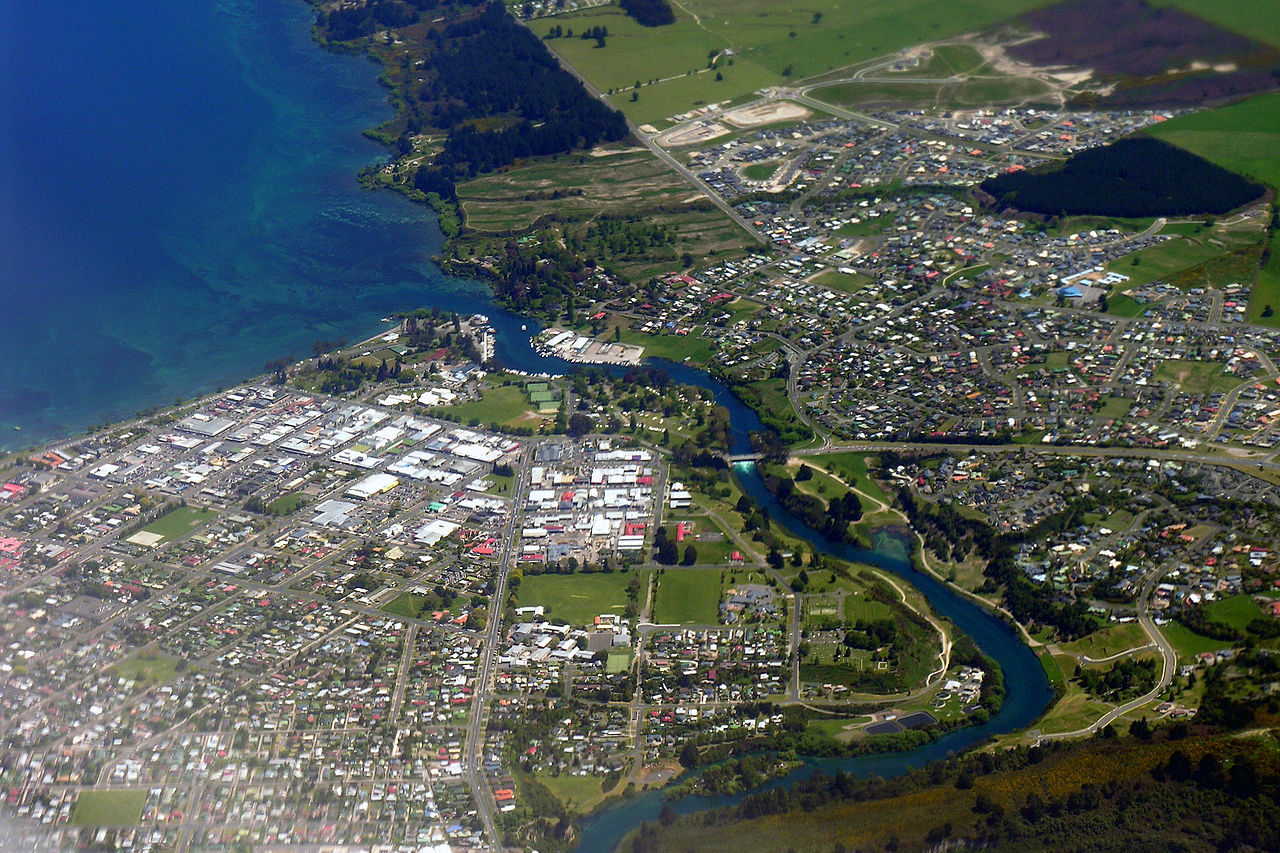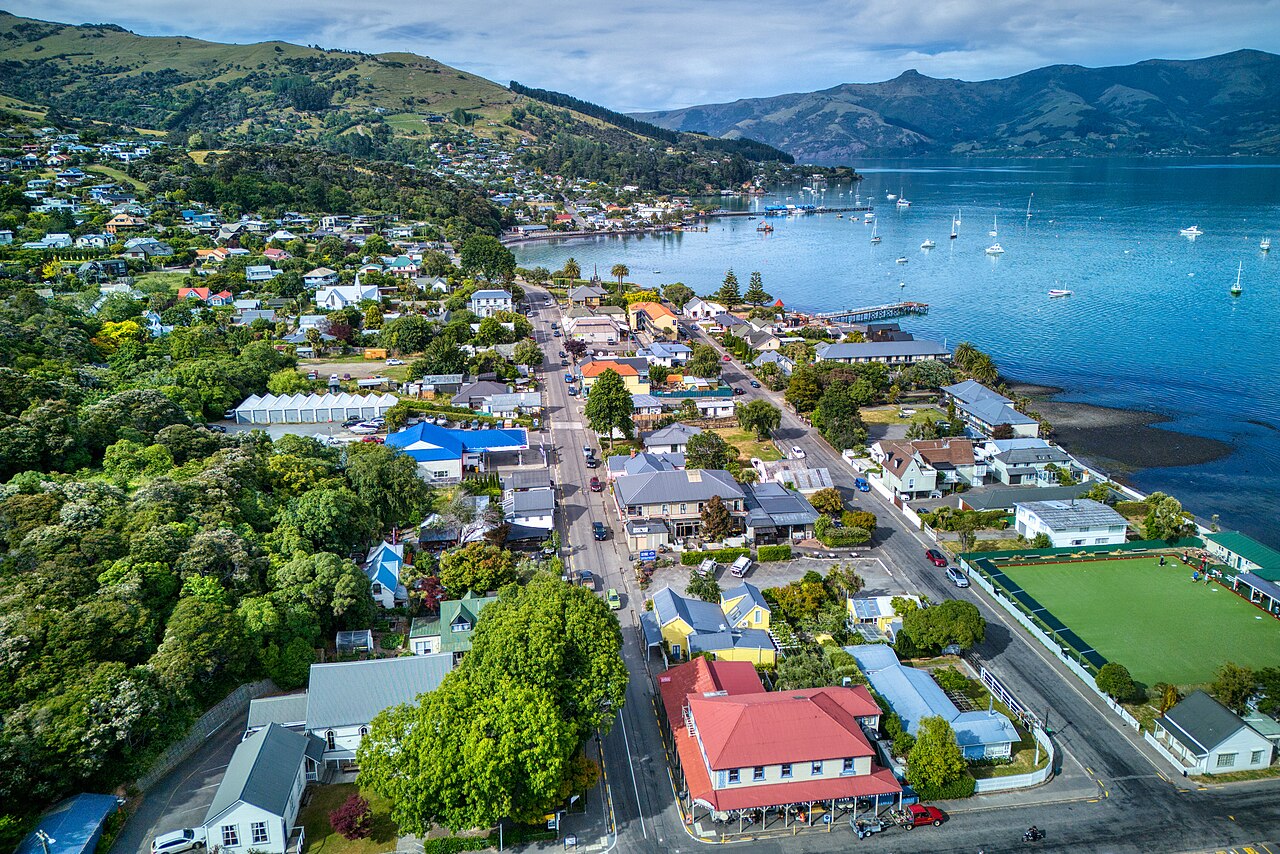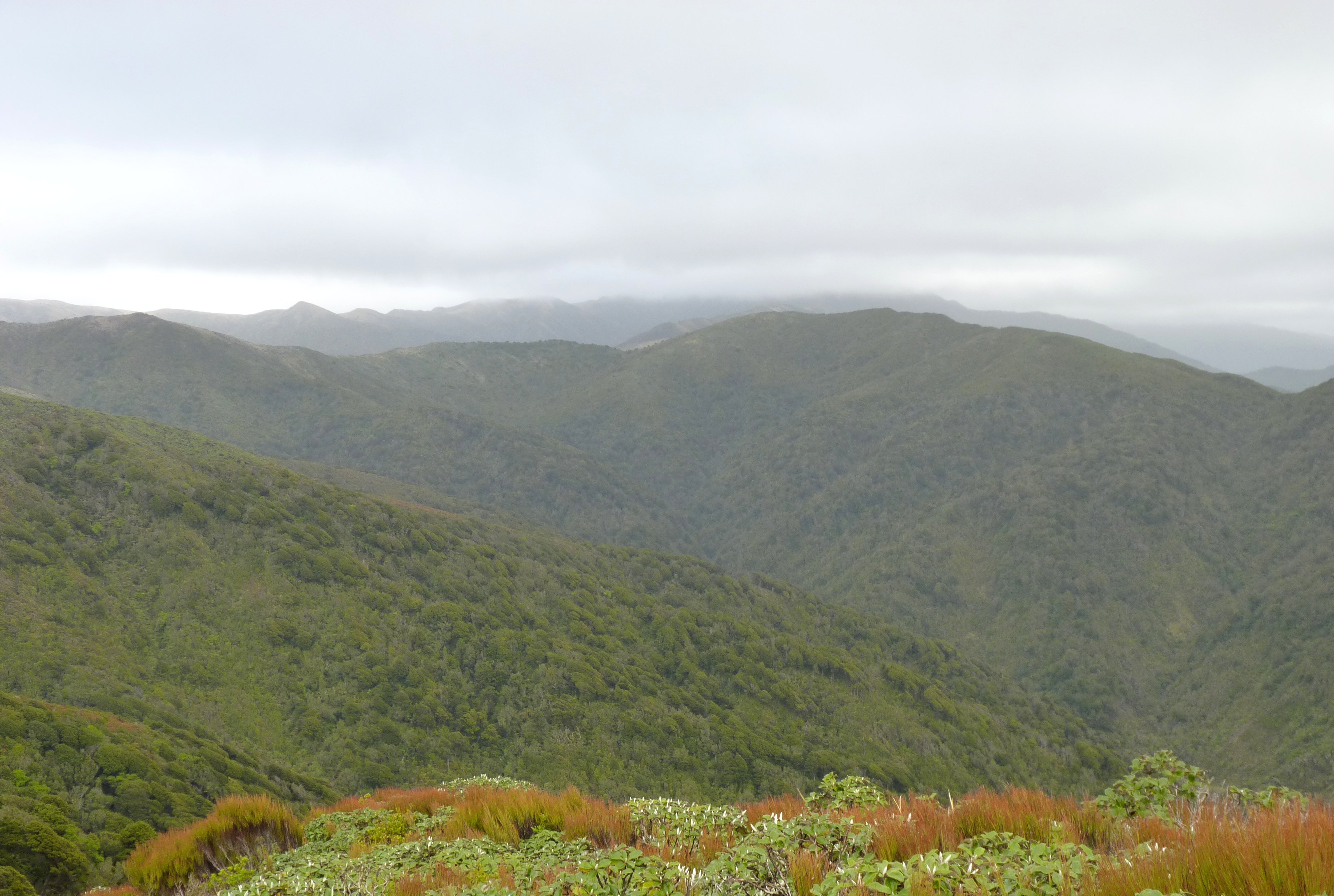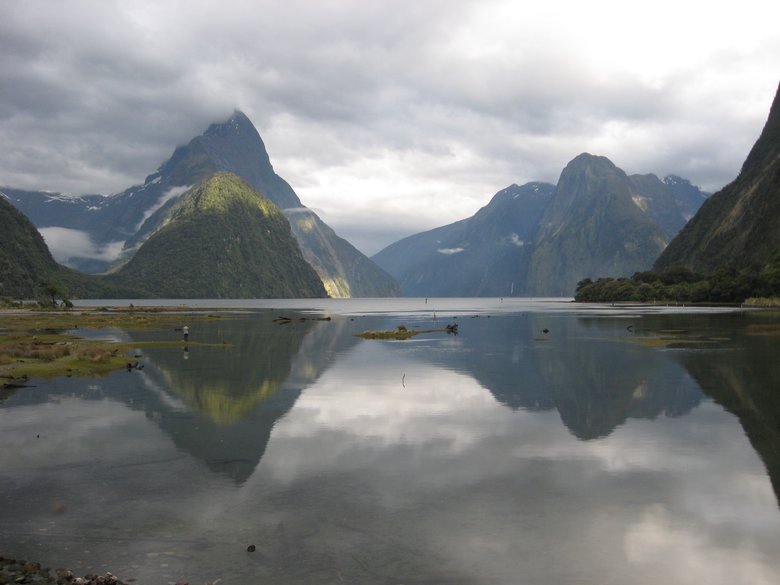
New Zealand is remote by any measure — a two-island nation in the South Pacific, about 2,000km southeast of Australia. The North Island and South Island together cover roughly 268,000 sq km, home to around 5 million people. That ratio of space to population is part of the point: the landscape is extraordinary and the crowds are manageable.
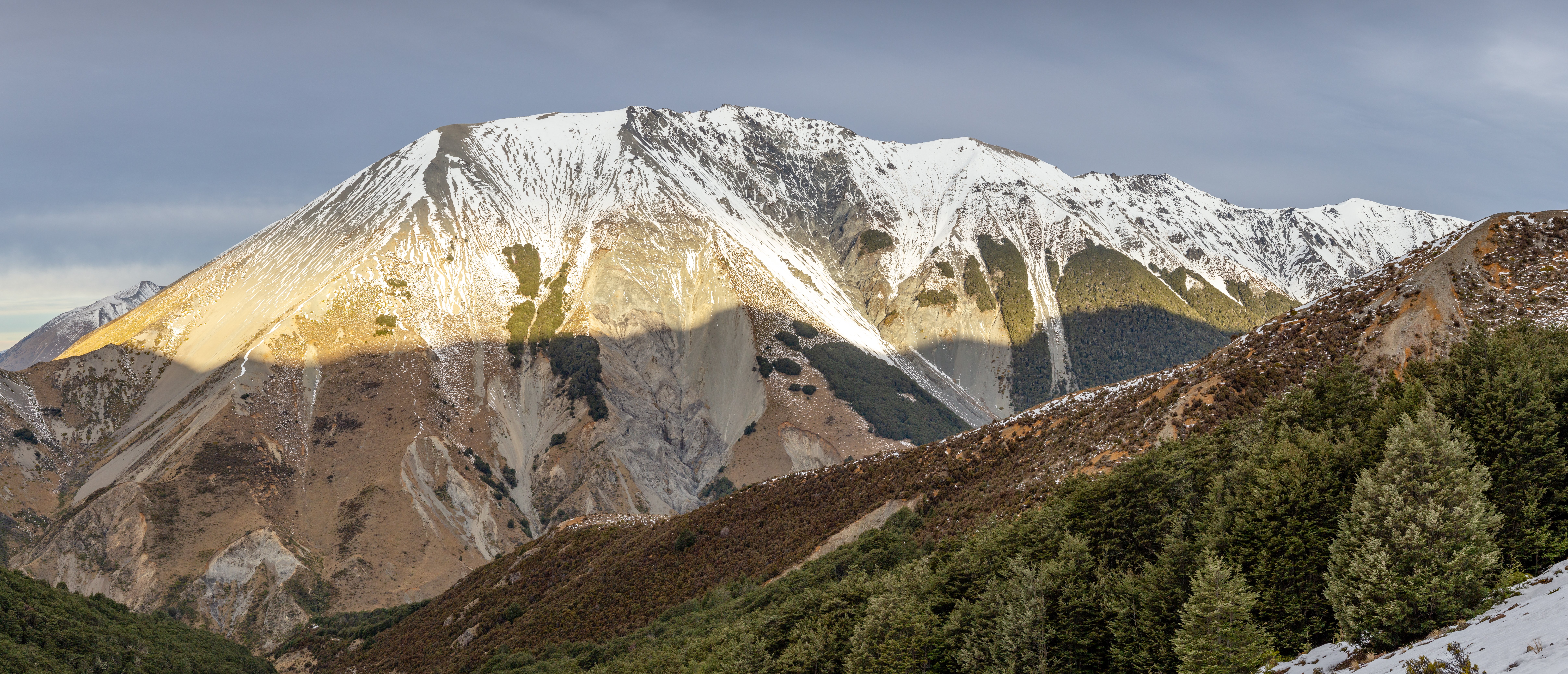
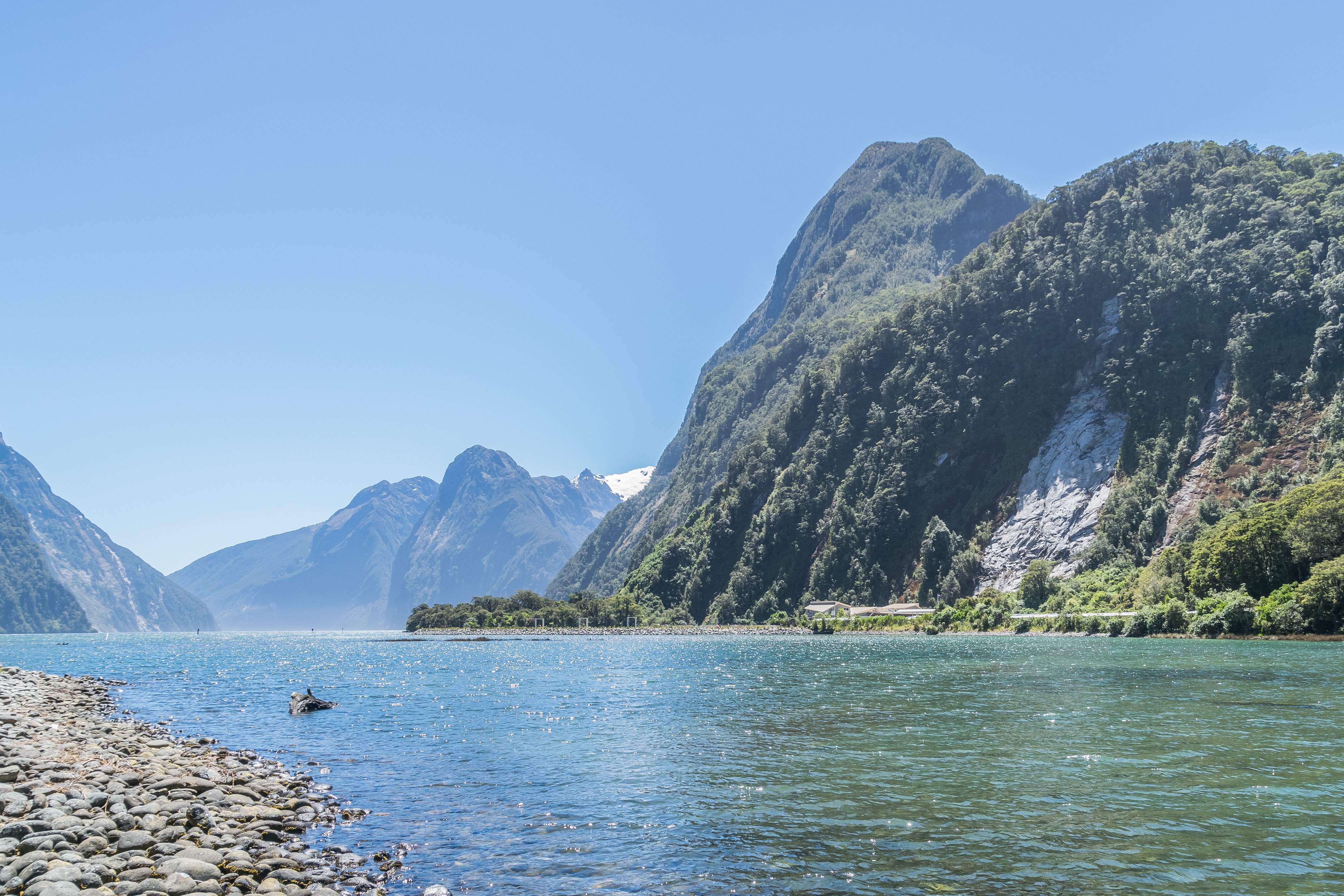
The scenery runs the full range. In the North Island you get active volcanoes, geothermal mud pools, long surf beaches, and the deep harbours of Auckland and Wellington. The South Island has the Southern Alps running its spine — glaciers descending toward the Tasman Sea on the West Coast, fiords cutting into the southwest at Milford Sound and Doubtful Sound, and the lakes and vineyards of Queenstown and Wanaka.
New Zealand has been isolated from other landmasses for around 80 million years, which produced a unique ecology: the kiwi, the tuatara, and a forest that evolved without land mammals. Much of that is gone now, but the country is serious about conservation. Offshore islands, fenced sanctuaries, and pest eradication programmes have brought several species back from the edge.
Maori arrived around 700 years ago. Europeans — mostly British — colonised from the 1840s. The tension between the Treaty of Waitangi's two versions (English and Maori) is still very much alive, and New Zealand is actively grappling with Treaty settlements, te reo Maori revival, and what bicultural partnership actually looks like in practice. It's worth paying attention to.
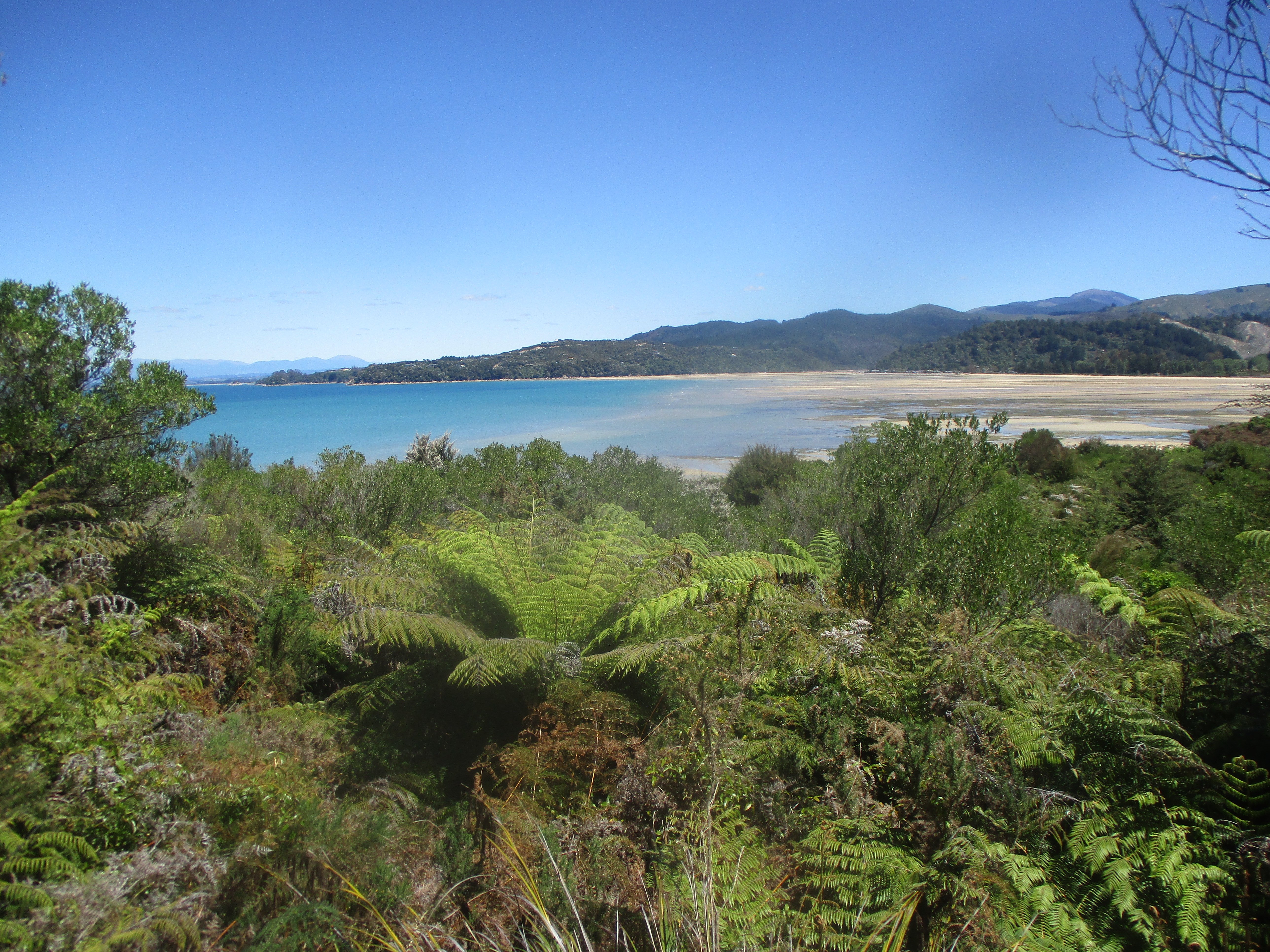
The main cities — Auckland, Wellington, and Christchurch — are all easy to navigate and genuinely pleasant. Rotorua is the centre of Maori tourism. The Bay of Islands in Northland is where much of the country's colonial history began. For serious wilderness, head to Fiordland, Abel Tasman, or the Tongariro Alpine Crossing on the Central Plateau.