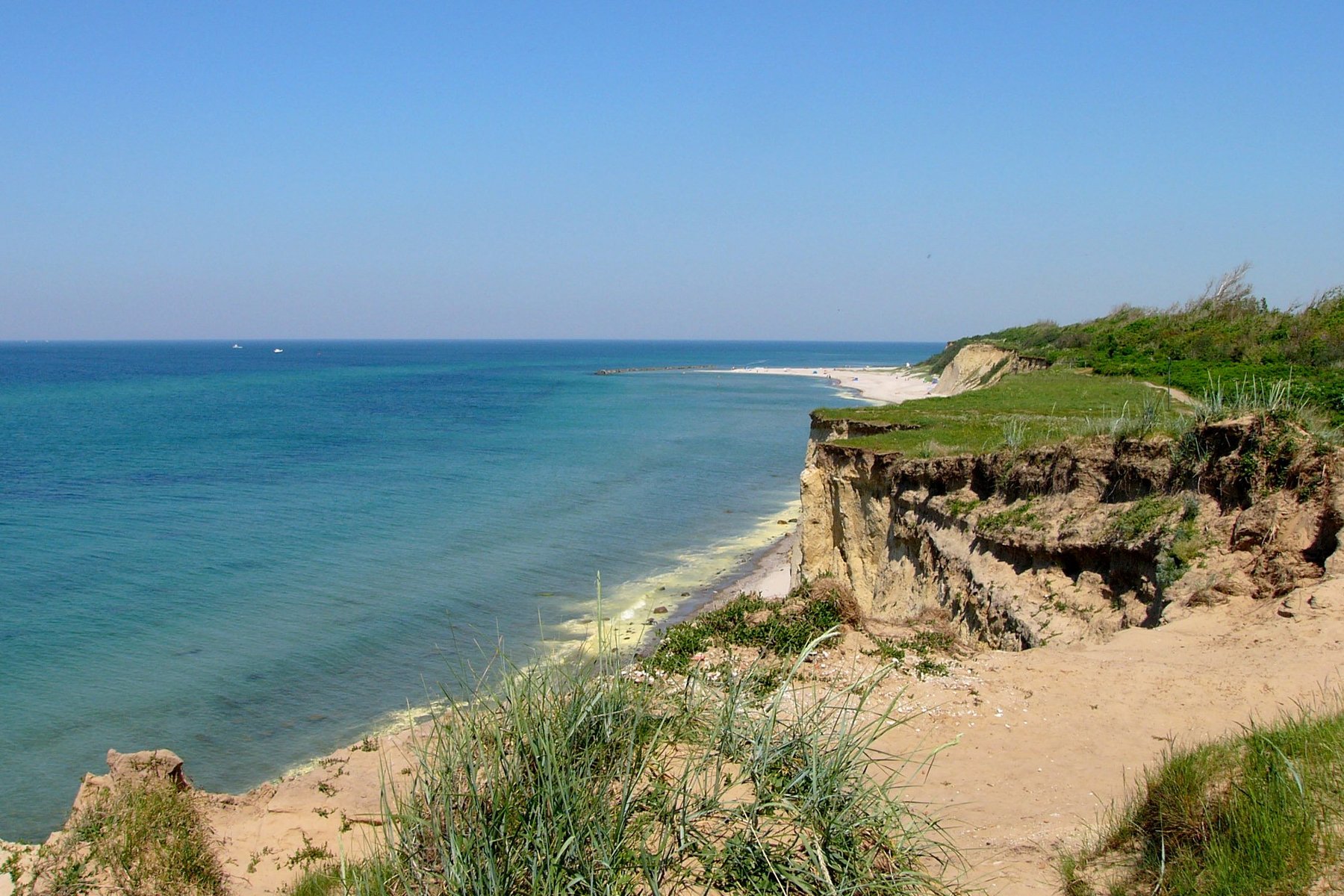
Mecklenburg-Western Pomerania is Germany's northernmost state, a flat landscape of lakes, forests, and Baltic coastline that most Germans associate with summer holidays and affordable fish suppers. It is the least densely populated state in the country — more cows than people, as the locals half-boast — and its unhurried character is part of the appeal. The state stretches from the outskirts of Hamburg east to the Polish border, with the Baltic Sea forming its entire northern edge.
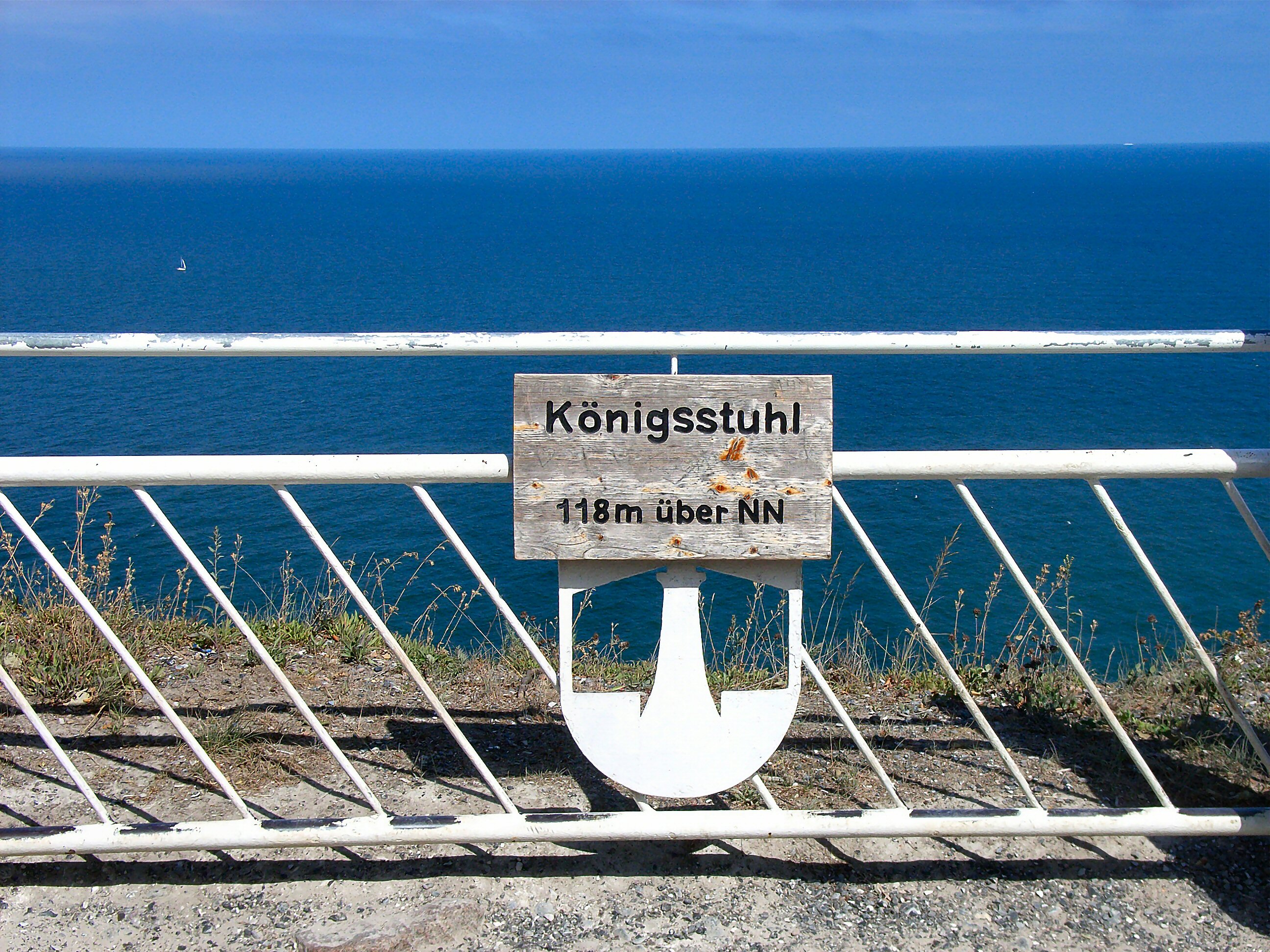
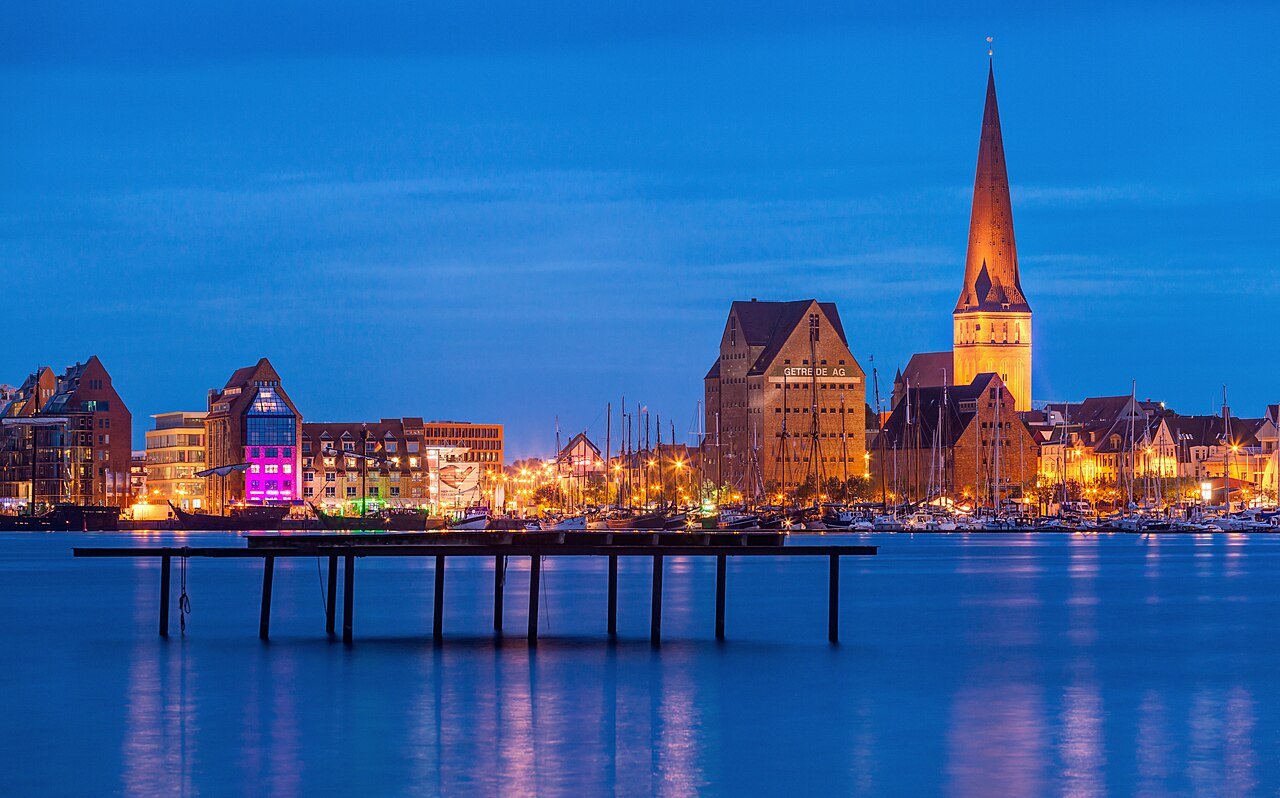
The coast is the main draw. The Fischland-Darss-Zingst peninsula, a narrow strip of dune and pine forest separating the Bodden lagoons from the open sea, is one of the most beautiful stretches of Baltic coast, largely protected as a national park. Rügen, Germany's largest island — connected to the mainland by bridge at Stralsund — has the chalk cliffs of Jasmund, wide beach resorts, and vast fields of reeds fringing the Bodden. Warnemünde, the seaside district of Rostock, has a fine beach and the faded elegance of a 19th-century bathing resort.
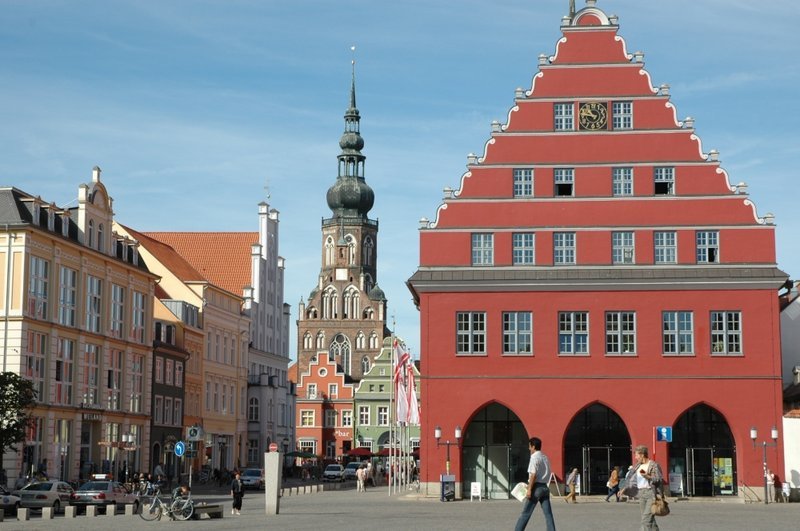
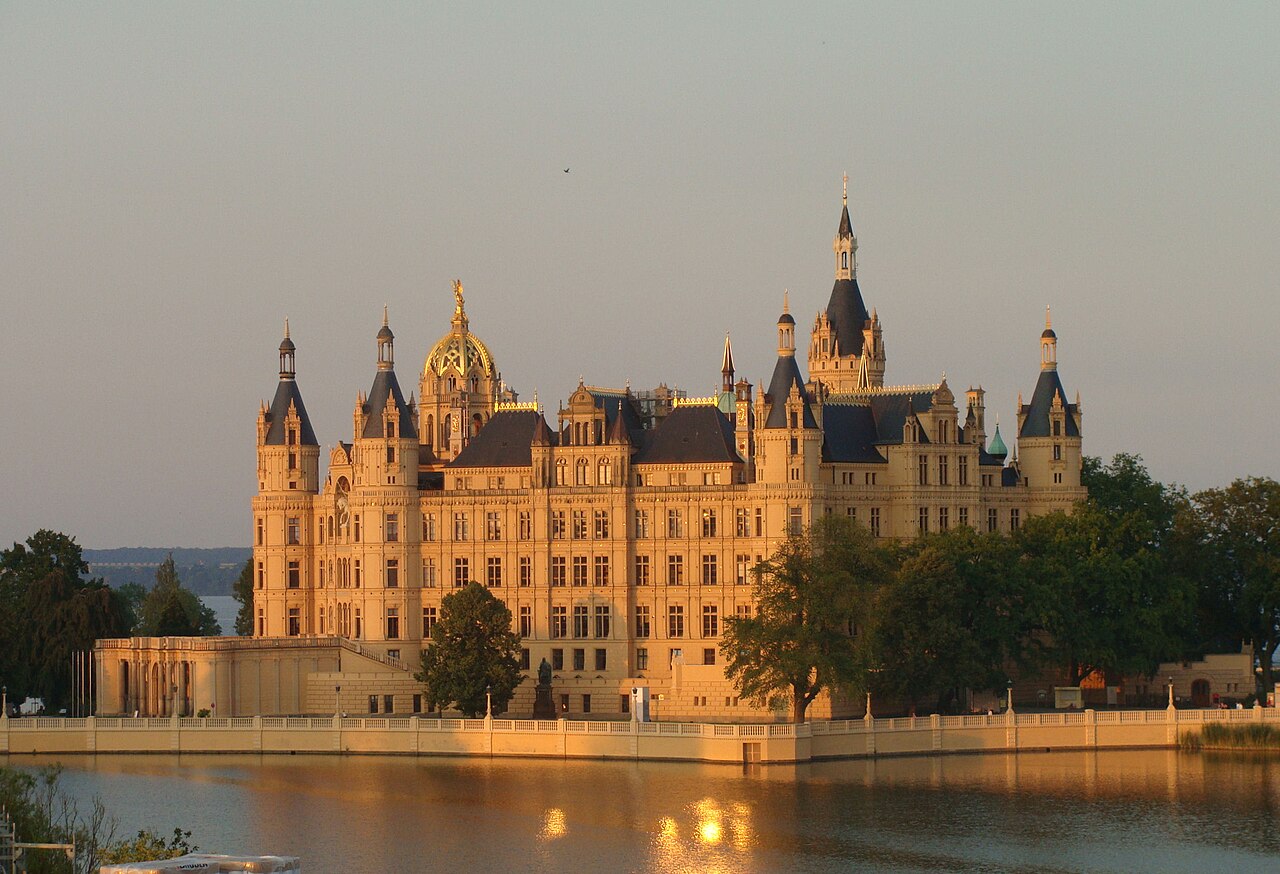
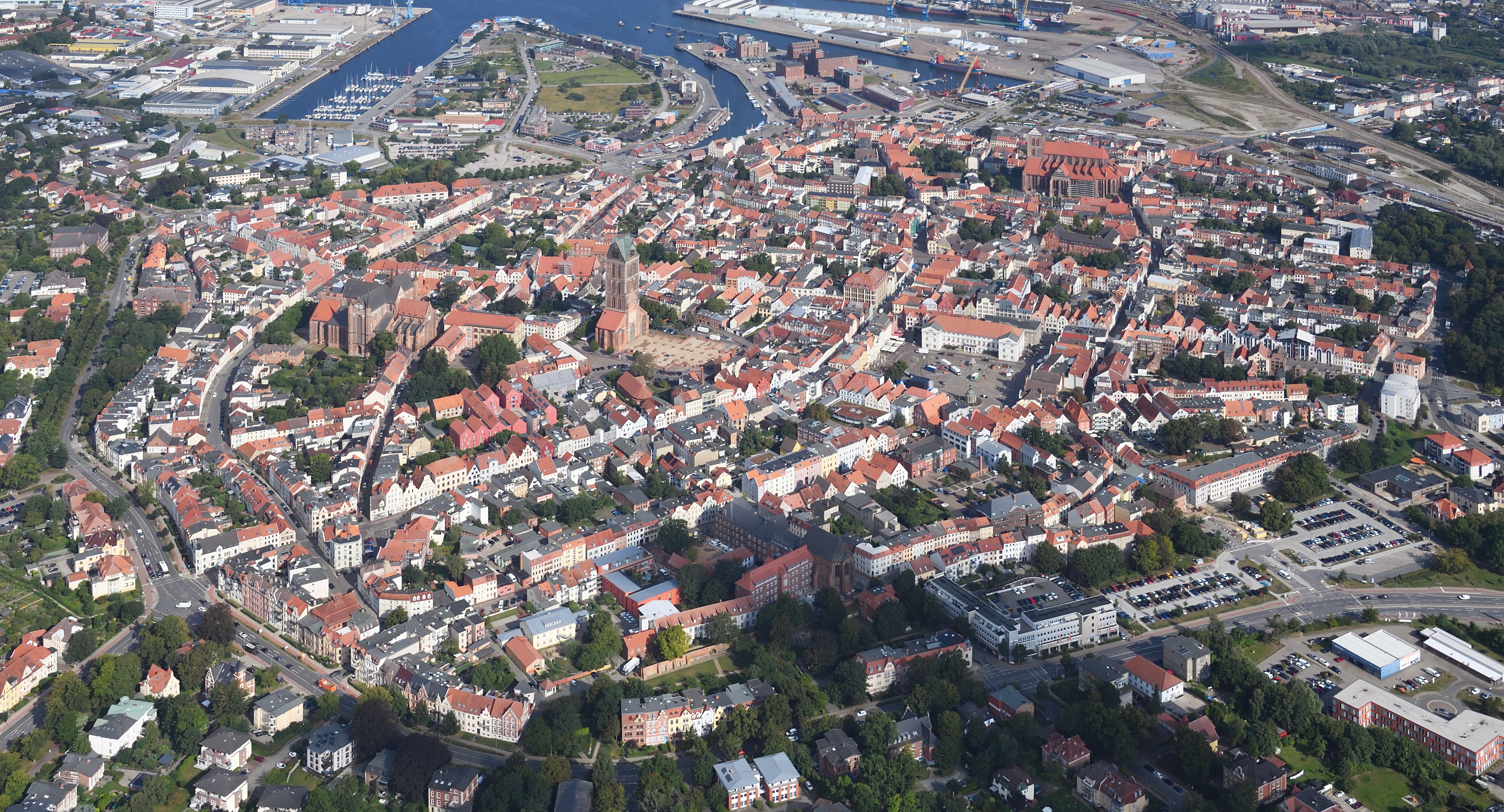
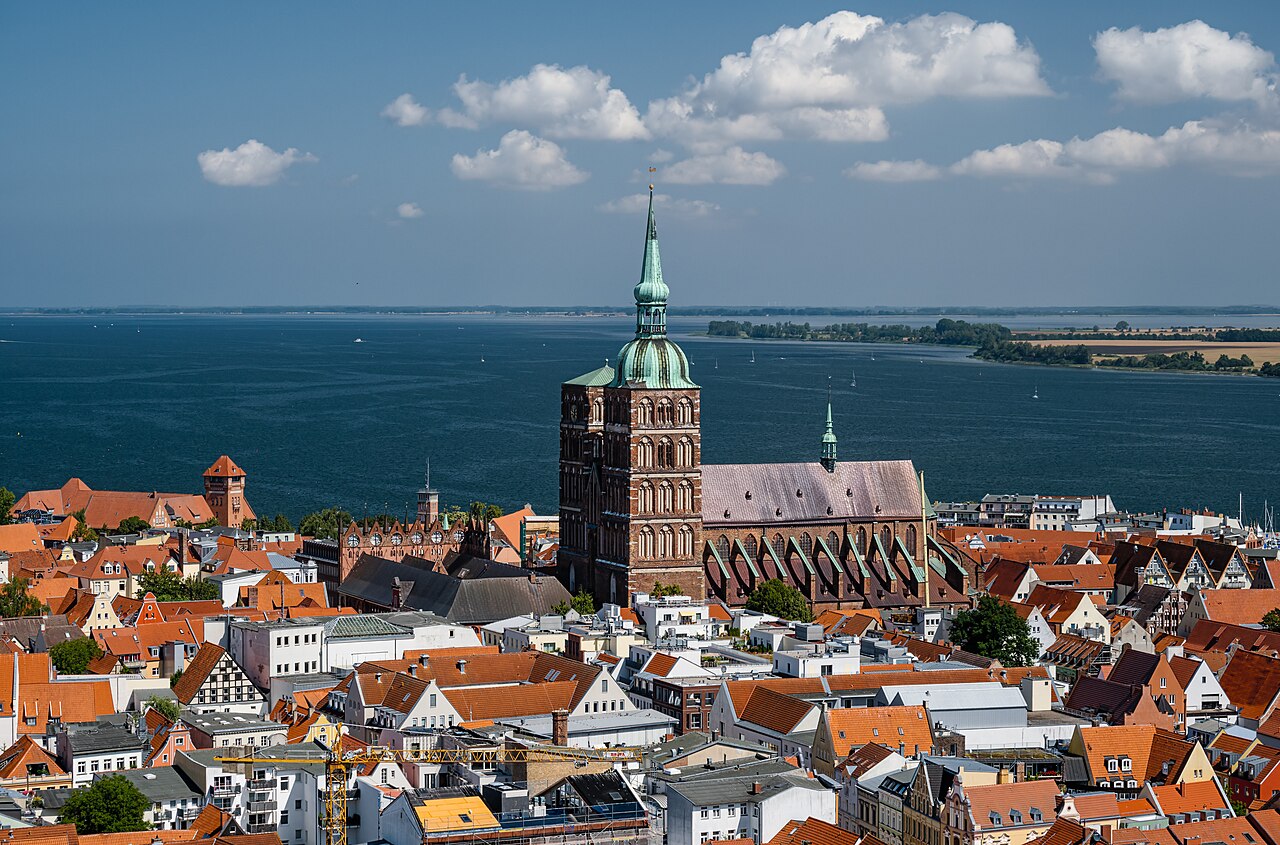
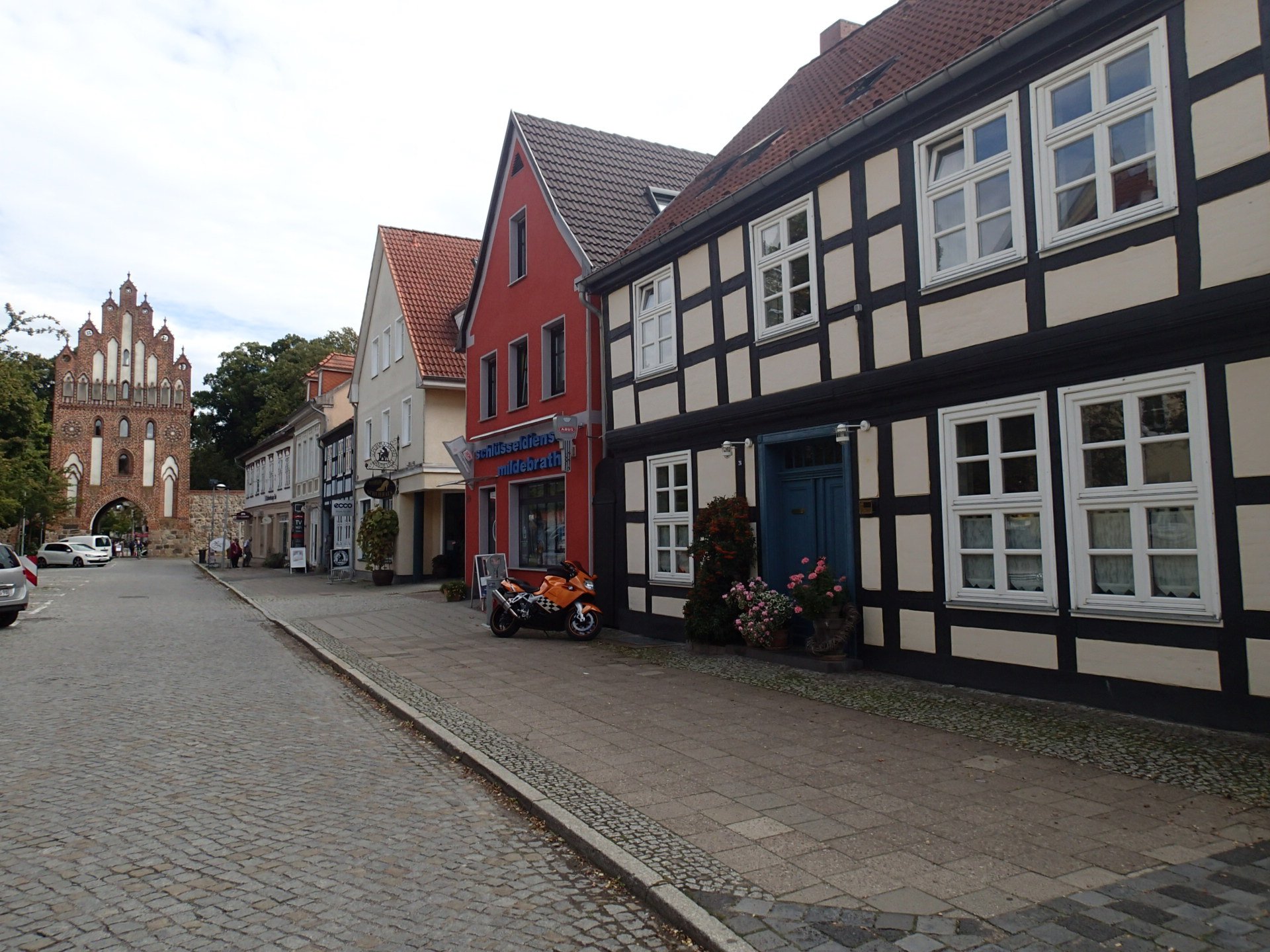
Inland, the state capital Schwerin offers a fairytale castle on an island in the middle of a lake; Wismar and Stralsund are both UNESCO World Heritage towns with brick Gothic churches and well-preserved Hanseatic merchant streets; and Neubrandenburg has the best-preserved medieval town wall in Germany. The state sees relatively few foreign visitors, which means prices are reasonable and the beaches, even in summer, are less hectic than those further west.