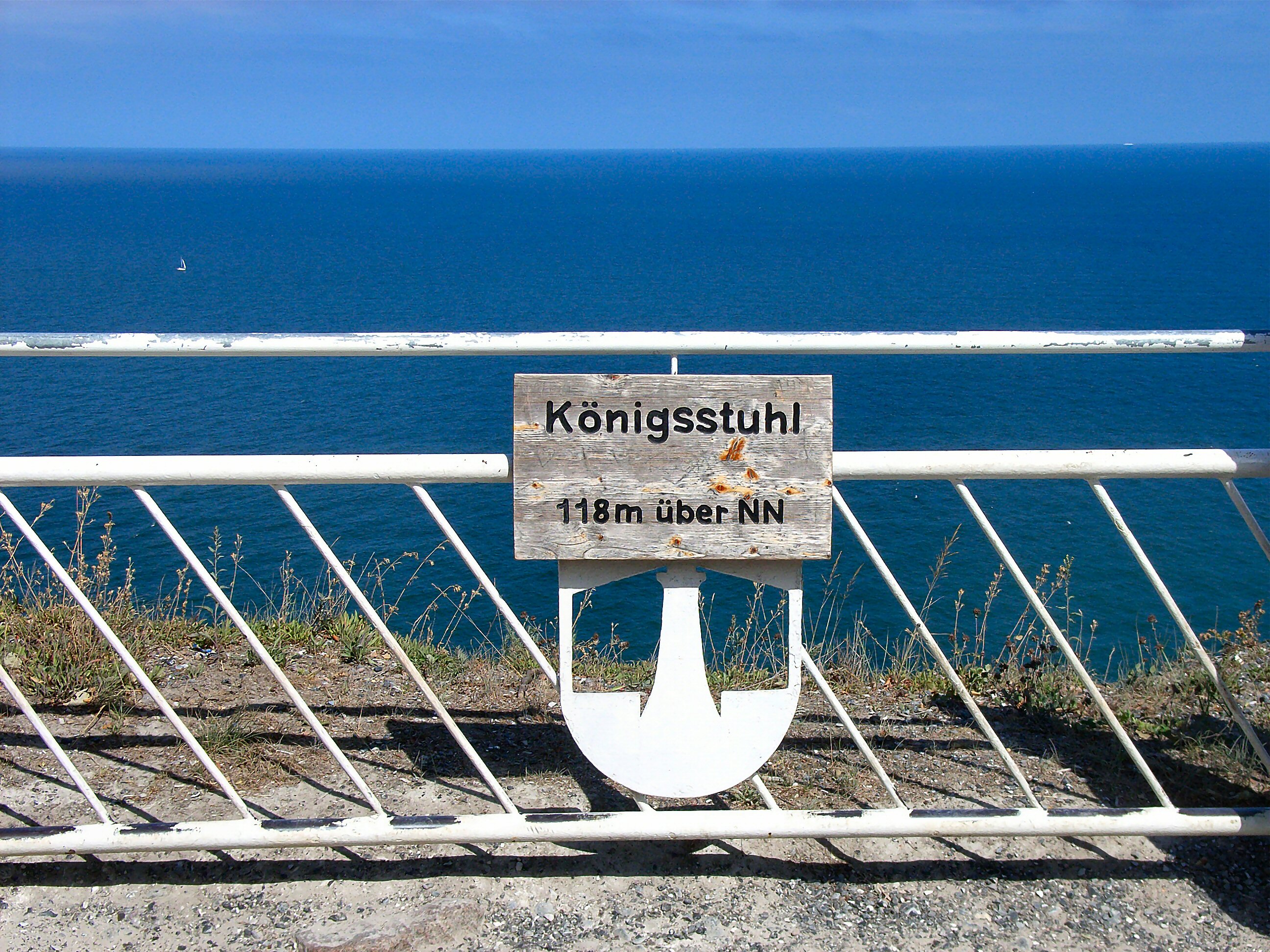
Rügen is Germany's largest island, connected to the mainland by a bridge near Stralsund. Its dramatic white chalk cliffs — the Kreidefelsen, most famously the Königsstuhl — have been famous since Caspar David Friedrich painted them in the early nineteenth century, and they remain the island's most striking sight. Jasmund National Park protects the cliffs and the ancient beech forest behind them, a UNESCO World Heritage Site.
Beyond the cliffs, Rügen has long sandy beaches, particularly along the east coast at Binz, Sellin, and Göhren — elegant Baltic seaside resorts with restored Wilhelmine-era pier architecture (Seebrücken) in the distinctive Bäderarchitektur style. The Prora complex, a vast Nazi-era holiday resort on the coast, is a sobering historical curiosity that has been partly converted into museums and apartments.
The island is easy to explore by car or bicycle. The Rasender Roland, a narrow-gauge steam railway, runs between several of the resort towns and is a charming way to travel. Cape Arkona at the northern tip has two lighthouses and the remains of a Slavic fort, while the car-free island of Hiddensee just off the western coast offers an even quieter escape.