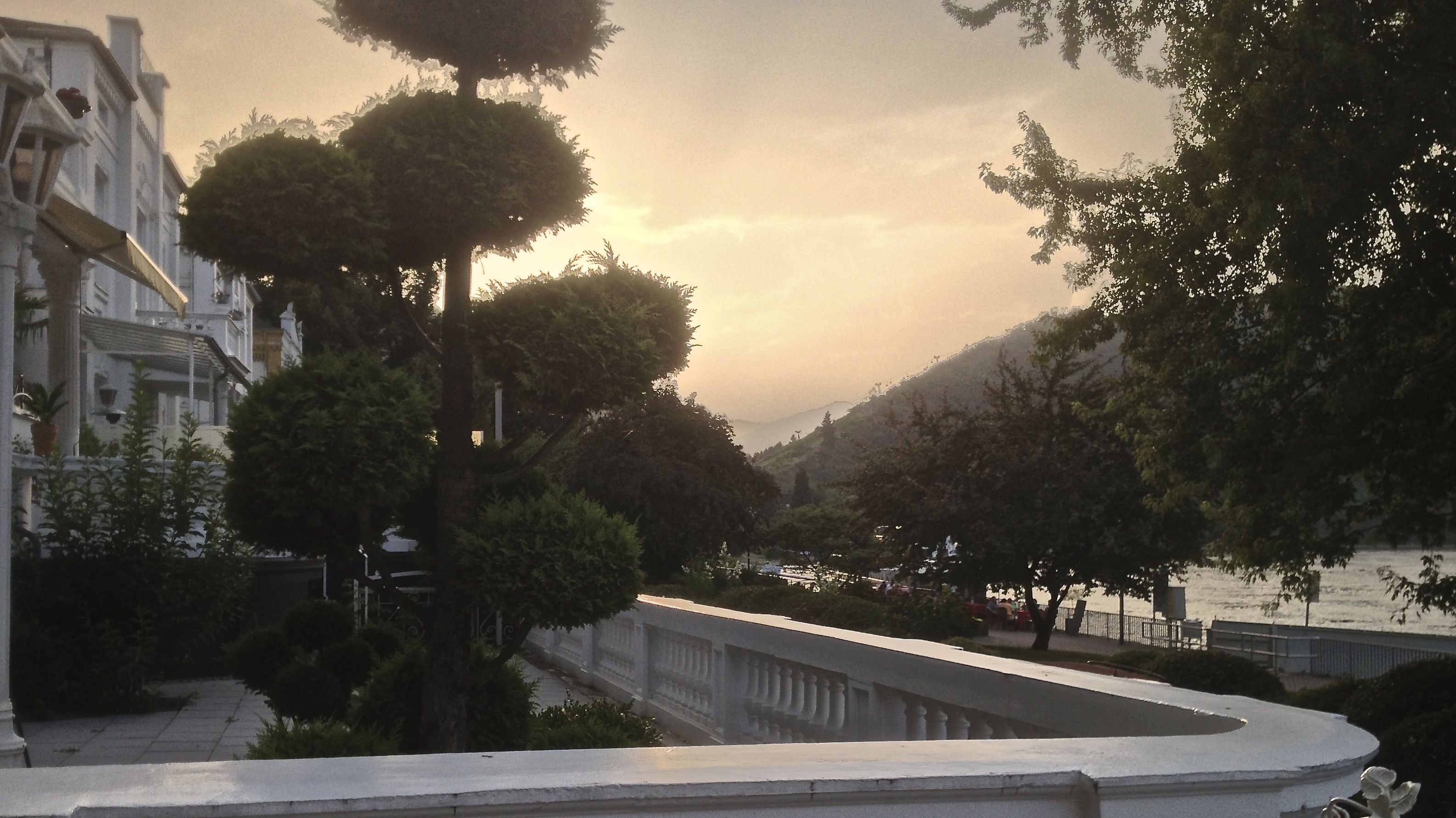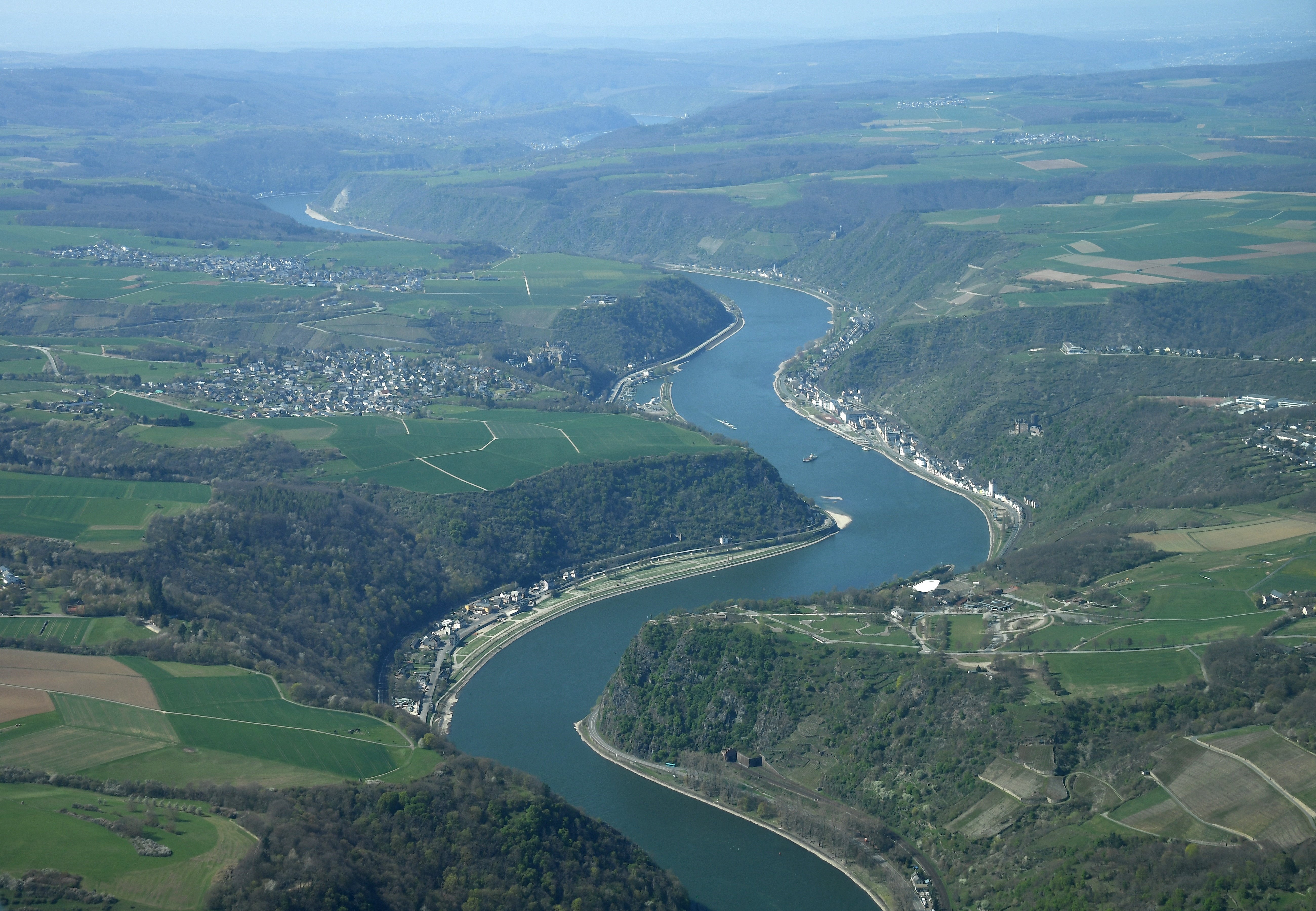
The Middle Rhine Valley is the stretch of the Rhine between Bingen and Koblenz — 65 kilometres of river scenery so concentrated with castles, wine villages, and steep vineyard slopes that UNESCO declared it a World Heritage Site in 2002. It is the Rhine of Romantic imagination: the river running between high slate cliffs, each bend revealing another ruined fortress above another half-timbered village, the Lorelei rock looming above the narrowest and most treacherous section. Few stretches of river anywhere in Europe have inspired as much poetry, painting, and music.
The valley is not a single place but a chain of small towns linked by the river. Bacharach and St. Goar are the most atmospheric bases on the left bank; Boppard is the largest town; Oberwesel has impressive medieval walls. Across the river (reached by ferry at several points) sit St. Goarshausen with Rheinfels Castle opposite, and the elegant wine town of Rüdesheim at the southern end — technically in Hesse, but functionally part of the same experience. Koblenz, where the Mosel joins the Rhine at the Deutsches Eck, marks the northern end.
The castle count is extraordinary. There are over 40 castles and castle ruins in the Middle Rhine Valley — including Marksburg, the only Rhine castle never destroyed, Rheinfels Castle, and the famous Loreley rock where the river narrows dangerously. The valley was the heart of Rhine toll road wealth in the Middle Ages; every castle was essentially a toll booth, and the ruins testify to the revenue that trade on the river generated.
The vineyards on the slate slopes produce Riesling of a distinctive mineral quality that wine drinkers seek out. Travel by boat — either on a regular Rhine cruise or by taking the regional passenger ferry — to appreciate the landscape properly.