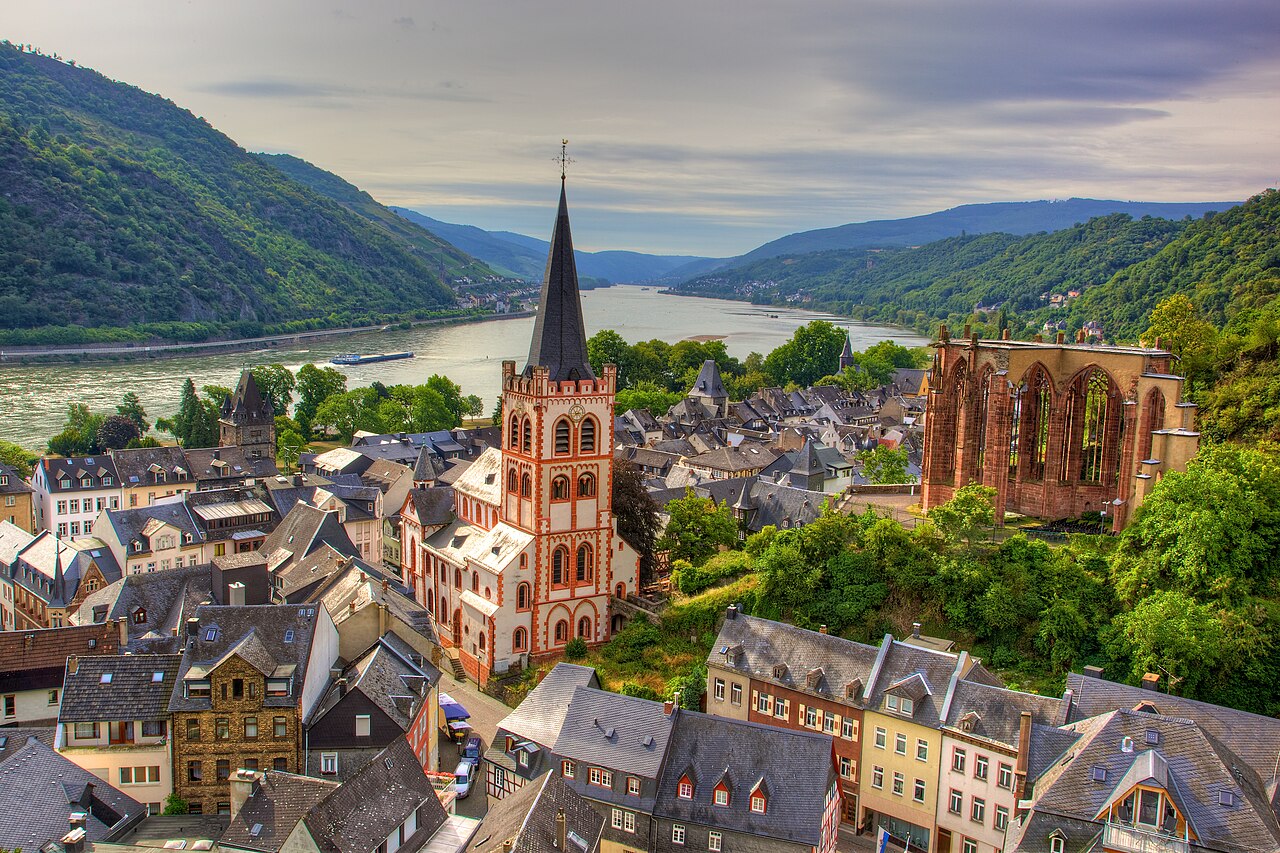
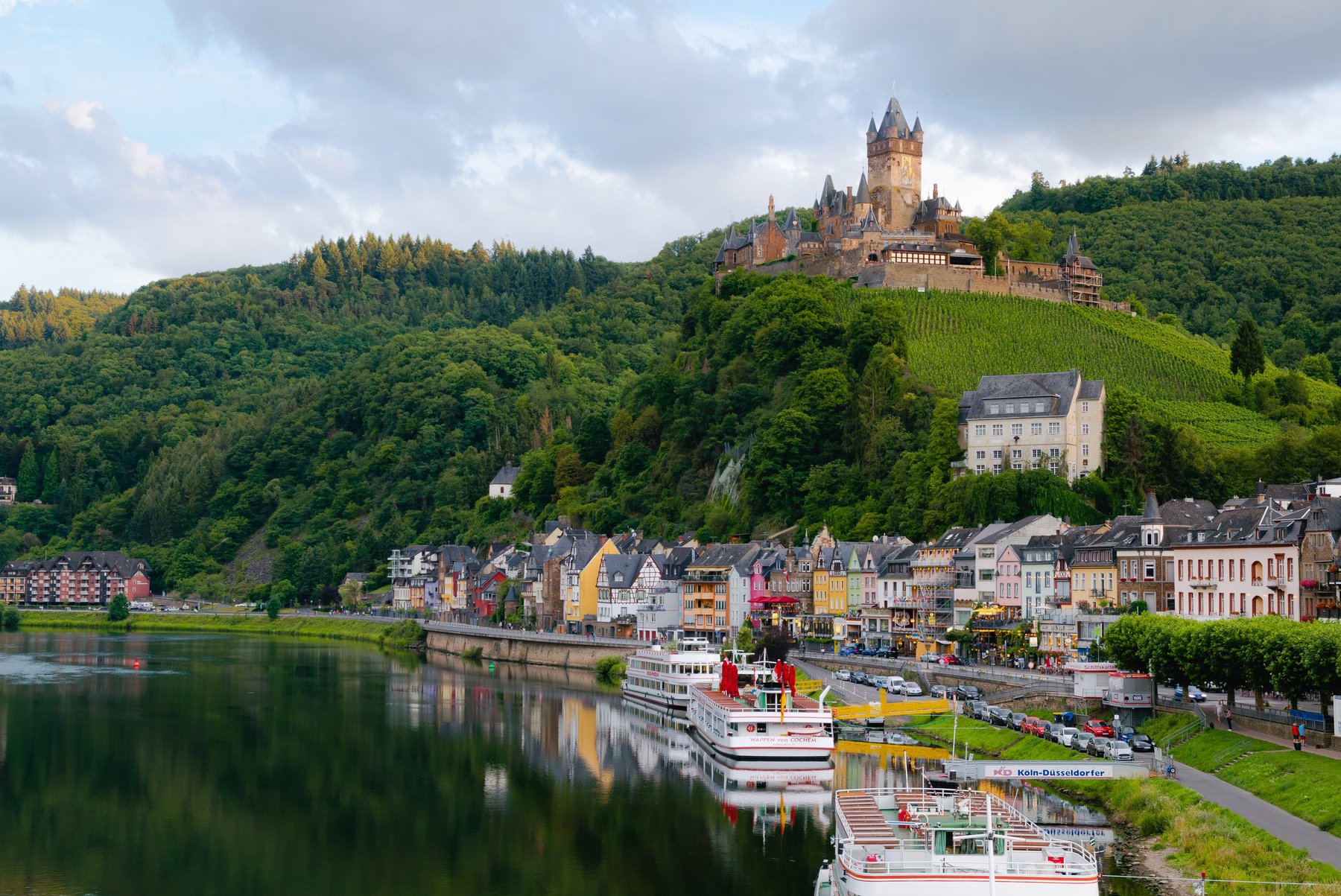
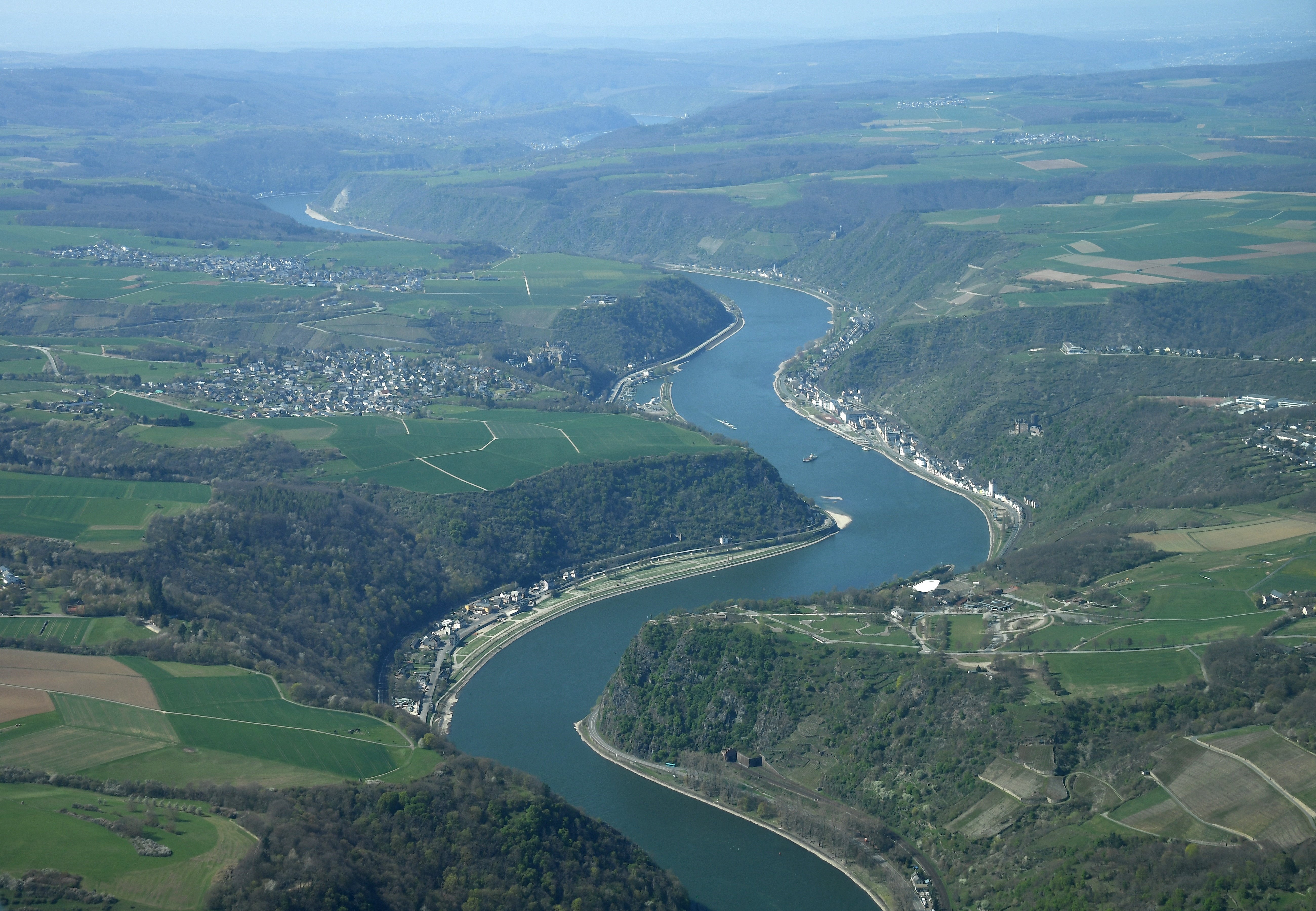
Rhineland-Palatinate is the state where the Rhine bends dramatically through deep gorges, castle-topped hills, and vine-covered slopes. It is one of the most scenic regions in Germany and one of the least appreciated by visitors who pass through on the way to somewhere else. Slow down and you will find Roman ruins, Romanesque cathedrals, and some of the most famous wine-producing landscapes in Europe.
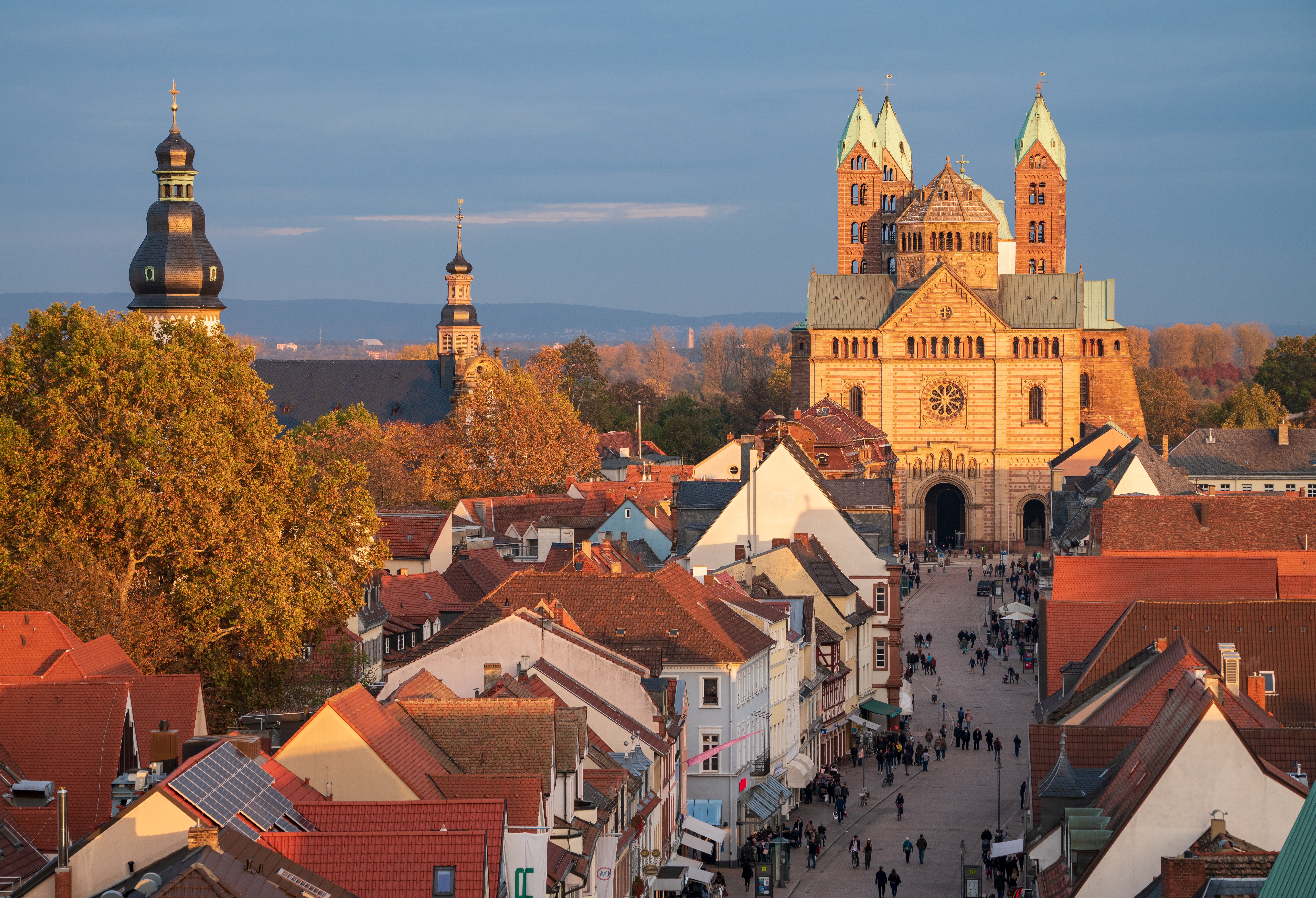
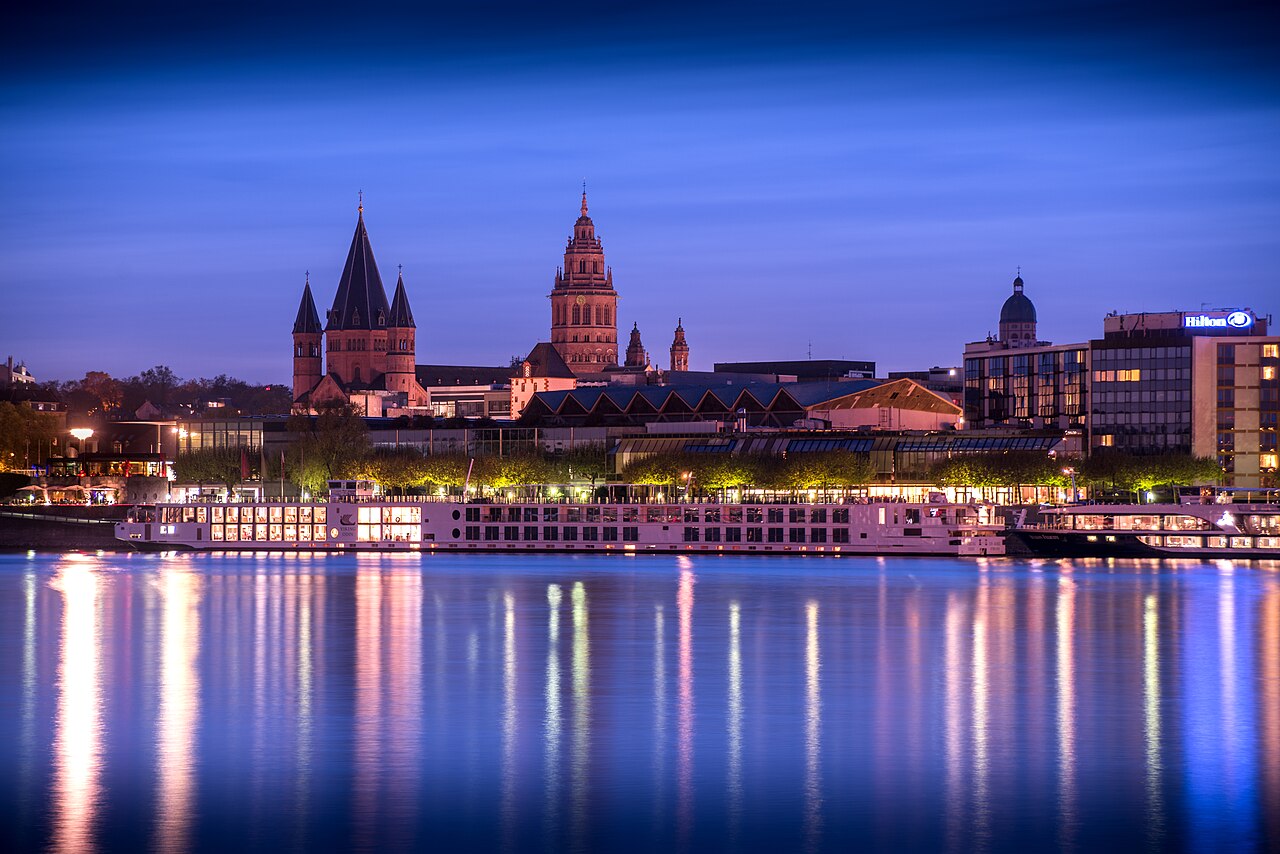
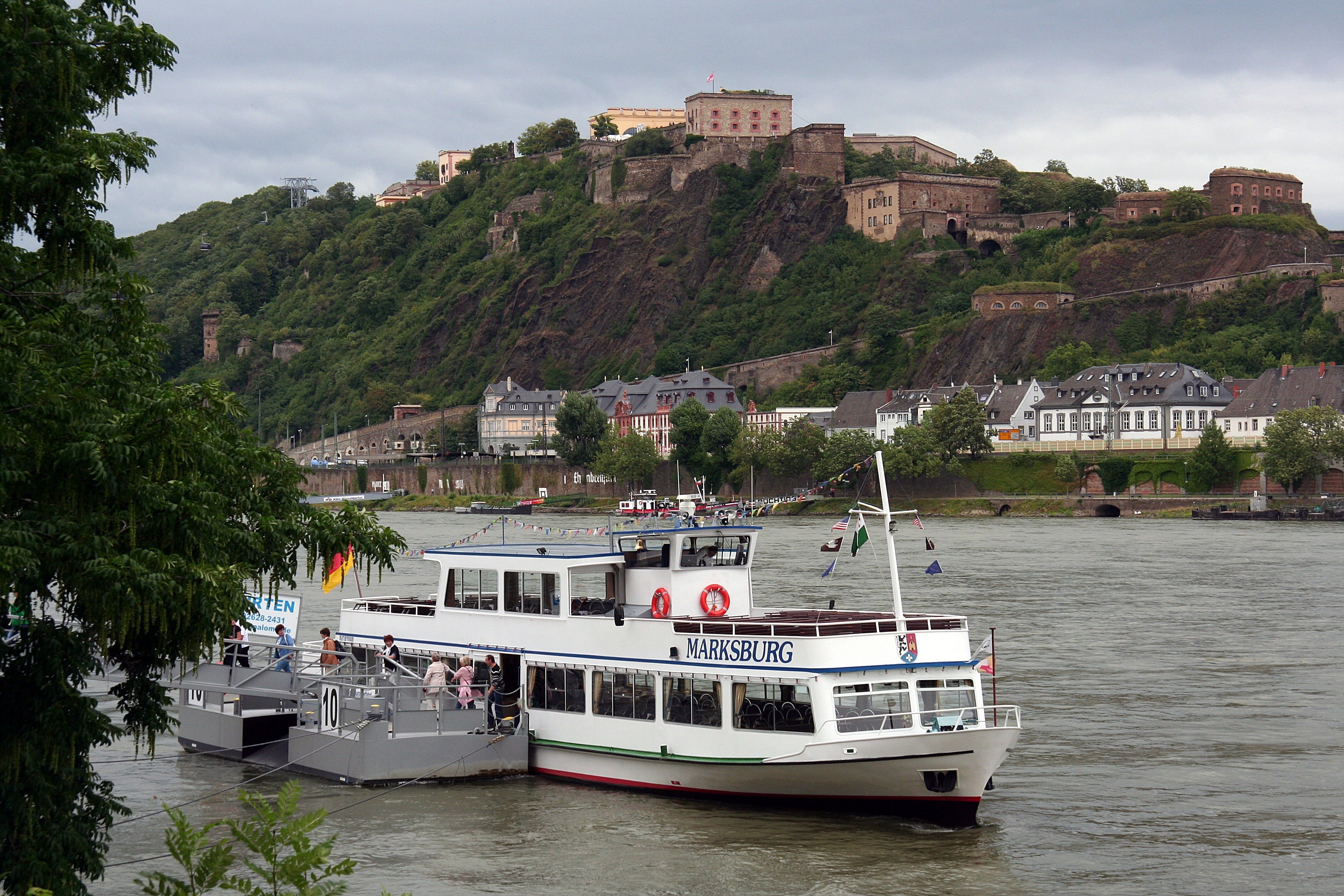
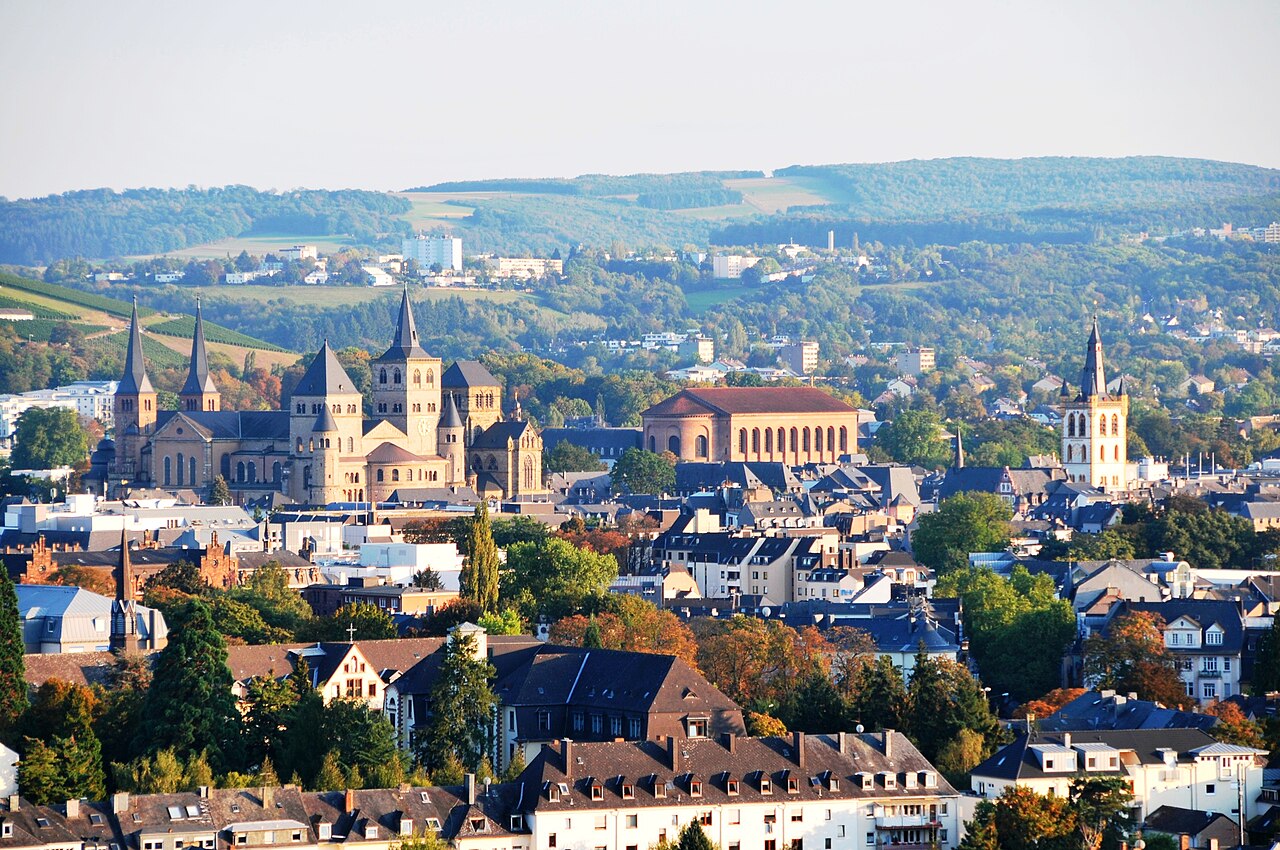
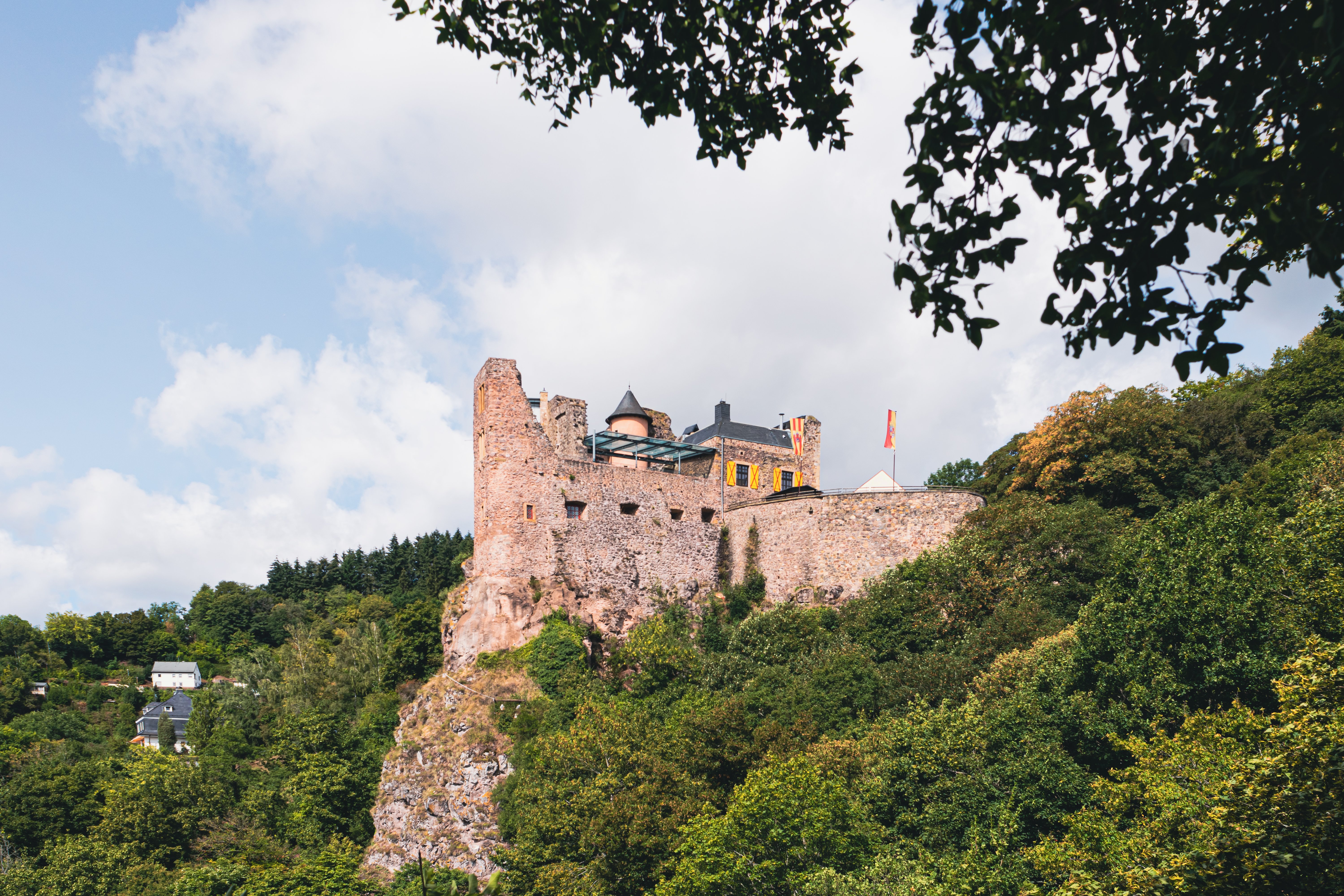
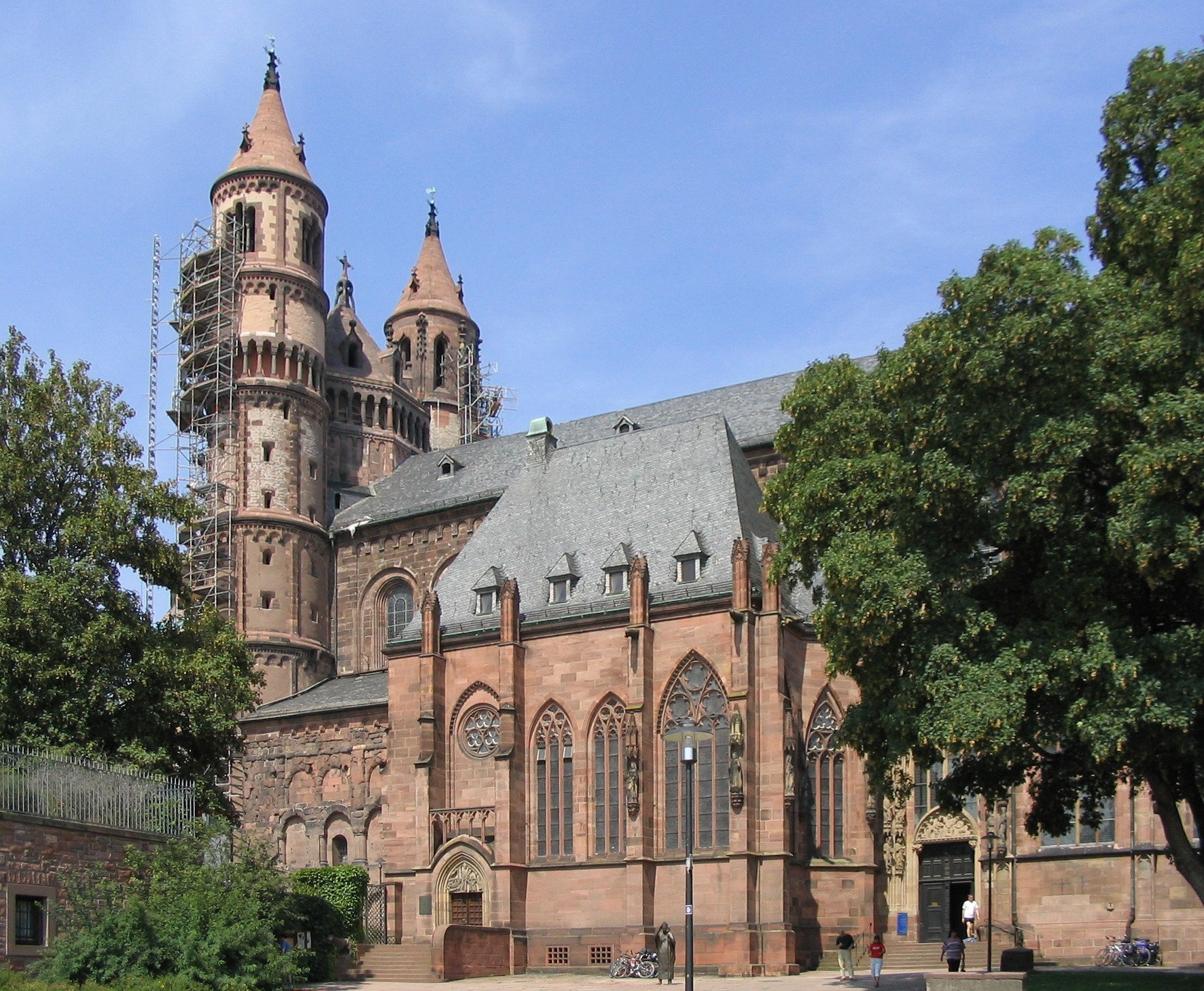
The heart of the region is the Rhine Gorge between Koblenz and Bacharach — a UNESCO World Heritage Site lined with medieval castles and villages that look exactly as the 19th-century Romantics imagined the Rhine should look. The Mosel valley, running from Koblenz southwest toward the border with Luxembourg, winds even more dramatically through slate hillsides covered in Riesling vines. Trier, at the far end of the Mosel, is Germany's oldest city, with Roman monuments including the Porta Nigra and a vast imperial bathing complex. Worms and Speyer each have tremendous Romanesque cathedrals, and Mainz — the regional capital and the city of Gutenberg — sits at the confluence of the Rhine and Main rivers.
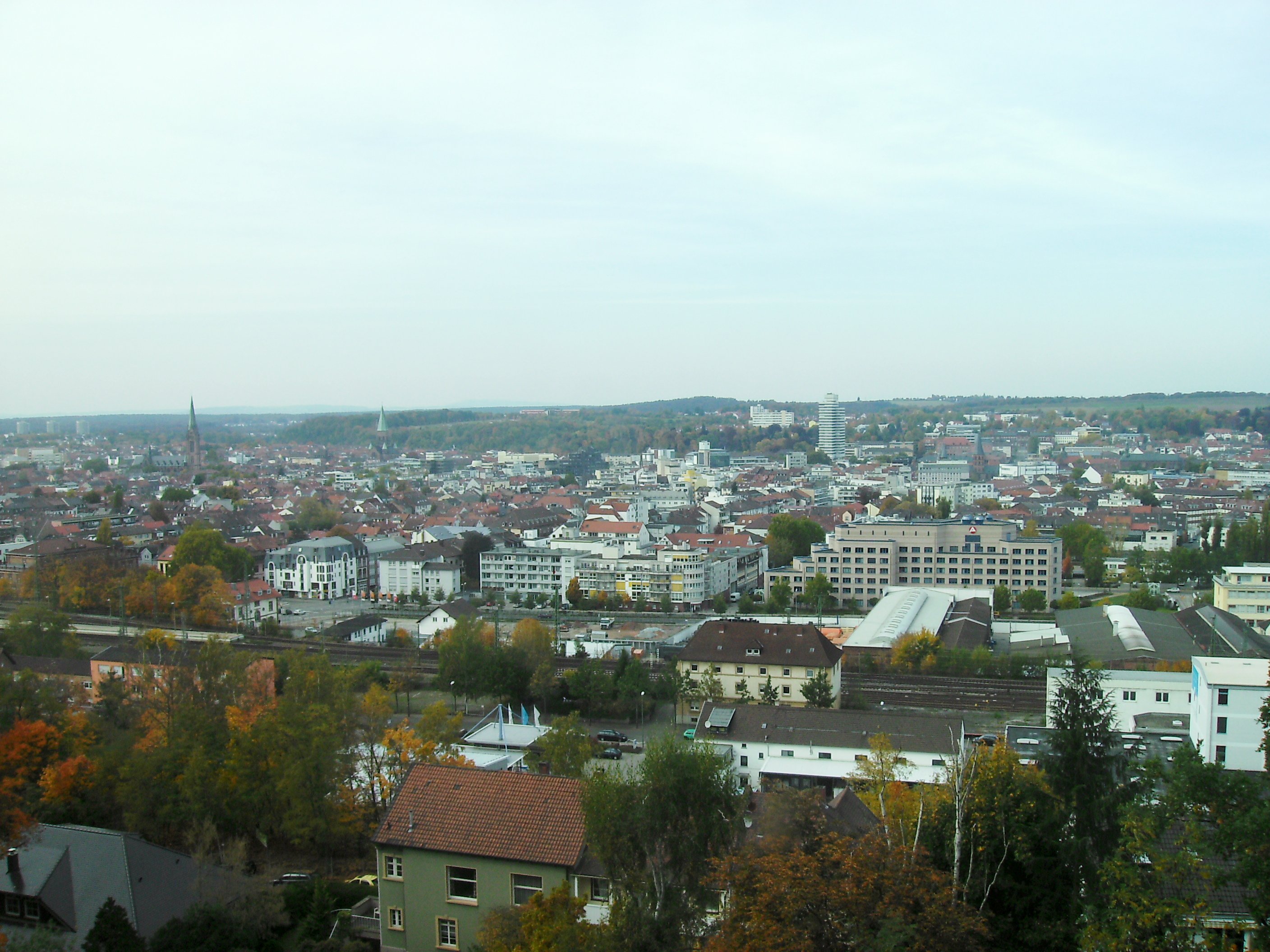
Motorsport enthusiasts make pilgrimages to the Nürburgring, the legendary racing circuit carved through the forested Eifel hills near the small town of Nürburg. Kaiserslautern is a sizeable city with a strong football following. The wine routes here are serious business: Rhineland-Palatinate produces more wine than any other German state, and the Rheinhessen, Moselle, Nahe, and Ahr regions each have their own distinct character. If you travel in autumn during harvest, you will find small wine festivals in almost every village along the rivers.