Gera is the third-largest city in Thuringia and one that tends to be overlooked in favor of Weimar, Erfurt, and Jena. This is somewhat unjust. The city's most important contribution to European culture is Otto Dix, born here in 1891, whose unflinching depictions of Weimar Republic society and the devastation of the First World War make him one of the central figures of German Expressionism and the New Objectivity movement. The Kunstmuseum Gera holds the largest single collection of his work outside the Kunstmuseum Albstadt, including paintings, drawings, and prints from across his career. For anyone seriously interested in German art of the 1920s and 1930s, the museum alone justifies the visit. The Otto-Dix-Haus in Untermhaus district preserves his birth house as a biographical museum.
The Orangery at the edge of the old town is a fine example of Baroque garden architecture: a long, low building with a formal garden in front and good views over the surrounding landscape. The Zwillingshäuser — the twin houses of the eighteenth century — provide an unusual architectural curiosity in the lower town, and the city center preserves a reasonable amount of its historical fabric despite wartime damage and subsequent GDR-era construction. The Botanischer Garten on Nicolaistrasse, attached to the natural history museum, is a small but well-maintained addition to any walk.
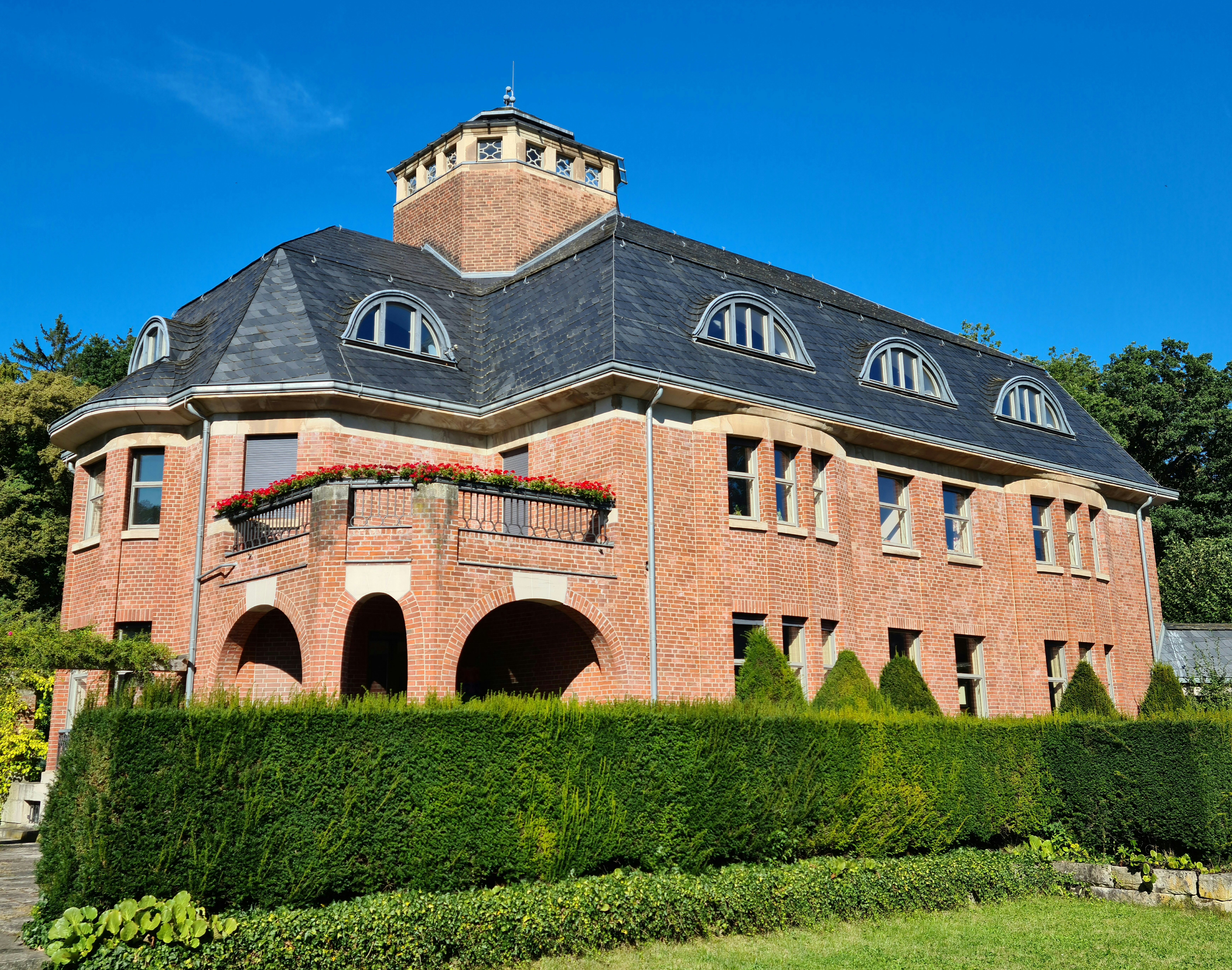
Gera's Art Nouveau heritage is concentrated largely in the district of Untermhaus, where a number of Jugendstil villas and apartment buildings survive in varying states of maintenance. The city was prosperous in the late nineteenth century through its textile industry, and this prosperity produced a wave of ambitious domestic architecture that can still be read in the streetscape if you know to look for it. Like many eastern German cities of its size, Gera has had to adjust to significant population loss since reunification, but the directness and lack of tourist polish give it a quality that more visited Thuringian towns have lost.